

Top Highlights
- Google Japan has consistently innovated with quirky, unconventional keyboard concepts since 2010, blending humor and functionality.
- Their projects include bizarre designs like a Morse code key with just one button, a bubble wrap scanner, and a spoon-operated keyboard, showcasing creativity and experimentation.
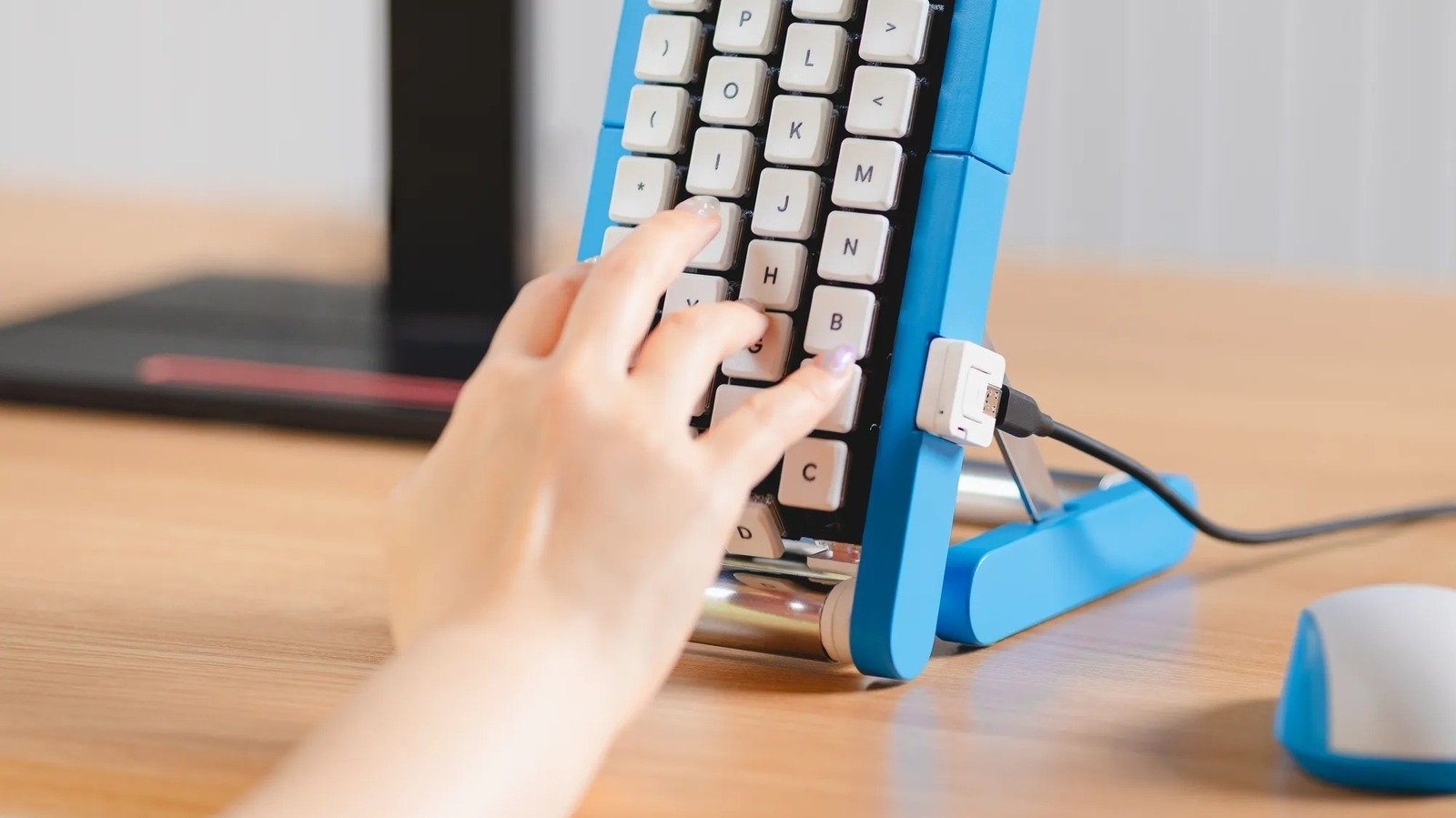
- Recent creations, such as the hat-shaped character selector and the Möbius strip dual-sided keyboard, push the boundaries of traditional input methods with playful and conceptual designs.
- These innovations often parody or explore the challenges of typing, emphasizing Google’s playful approach to reimagining how we interact with keyboards.
Discovering Google’s Bizarre and Innovative Keyboard Creations
Google Japan has a playful side that shines through with their creative keyboard experiments. Starting in 2010 with a drumset keyboard, they kept pushing boundaries. Each year, they introduced a new, often quirky, way to type. These keyboards show that innovation doesn’t always mean practicality. Instead, Google Japen’s ideas seem designed to entertain and challenge our expectations. Their efforts highlight how technology can surprise us with humor and clever ideas even beyond traditional use. For tech enthusiasts and everyday users, these experiments open the door to new ways of thinking about input.
One standout feature is Google Japan’s tendency to combine simplicity with fun. For example, in 2012, they created a Morse code keyboard with just one key. At first glance, it seemed odd. Yet, Google later integrated Morse code into Gboard, making it easier for users to learn and use. This shows how even the strangest concepts can evolve into useful features. Similarly, in 2018, they tried a handwriting keyboard that lets you draw characters right on the screen. It offers a new way to type, especially for those who prefer drawing over tapping keys. These enhancements prove that novelty can lead to meaningful improvements in user experience.
Looking at the full lineup, each keyboard has its own charm and purpose. The 2014 robotic arm joystick was designed to help people with long or painted nails type more easily. Meanwhile, the 2023 hat keyboard is a fun twist — turning a hat into a giant key for input. It combines playfulness with functionality, sparking curiosity. The 2024 Möbius strip keyboard, with keys on both sides, is another bold idea. Google aims for this to be perfect for backend developers who need quick, continuous access to characters. These ideas show that creativity and practicality can often blend in surprising ways, offering new insights into how we interact with devices.
Many of these keyboards also display an element of humor and innovation. For example, the spoon keyboard in 2019 bends a metal spoon to input characters. It’s a playful reminder that even everyday objects can become part of tech design. The 2025 rotary phone keyboard, which inputs characters by circling on a rotary interface, takes a nostalgic look at old technology while giving it a modern twist. Google Japan’s goal seems to be creating fun, memorable ways to type that also test how flexible tech can be. As new ideas unfold each year, we get a glimpse into the future of inventive user interfaces, making the act of typing more engaging and unexpected.
Google Japan’s experiments remind us that technology can be both useful and entertaining. They push the limits of traditional input methods by blending humor, design, and innovation. Whether you find these keyboards practical or purely amusing, they challenge our perceptions of how we can interact with digital devices. They also inspire developers to think outside the box. These creations prove that even the strangest ideas can spark new possibilities — and make our tech experiences more fun and dynamic.
Discover More Technology Insights
Dive deeper into the world of Cryptocurrency and its impact on global finance.
Stay inspired by the vast knowledge available on Wikipedia.
CellphonesV1
