

Fast Facts
- Cornell students develop a national air transportation system for safe drone operations.
- NASA funds their innovative research through the University Student Research Challenge.
- The aim is to enhance drone flexibility and prevent collisions in airspace.
- Their mixed-reality testing allows drones to adapt and avoid hazards effectively.
Cornell’s Innovative Approach to Drone Traffic Management
A team of students at Cornell University is making waves in the aviation sector. Their research focuses on developing a national air transportation management system designed to safely integrate thousands of drones into the sky. Sponsored by NASA through the University Student Research Challenge (USRC), this project aims to enhance drone safety and streamline their operational capabilities.
NASA has been leading efforts to innovate traffic management systems for drones for years. Now, the agency has turned to young thinkers like the Cornell team for fresh ideas. Principal investigator Mehrnaz Sabet, a doctoral student in information science, says that reimagining drone traffic management is critical. “We need to ensure all these different types of drones can tactically deconflict with each other,” she remarked. This approach aims to mimic the flexibility of ground-based vehicular traffic, giving drones the capacity to adapt during their journeys.
Currently, drone pilots must file detailed flight plans, which are examined to prevent collisions. This system, however, is limited. It struggles to accommodate a growing number of aerial vehicles. As drone usage expands to include applications like urban flying taxis and emergency response aircraft, this limitation could become a significant hurdle. Incorporating flexible, real-time response capabilities is essential. By integrating simulation technologies, the Cornell team is paving the way for a future where drone operations can be as seamless as automotive traffic.
Enhanced Simulation for Real-World Results
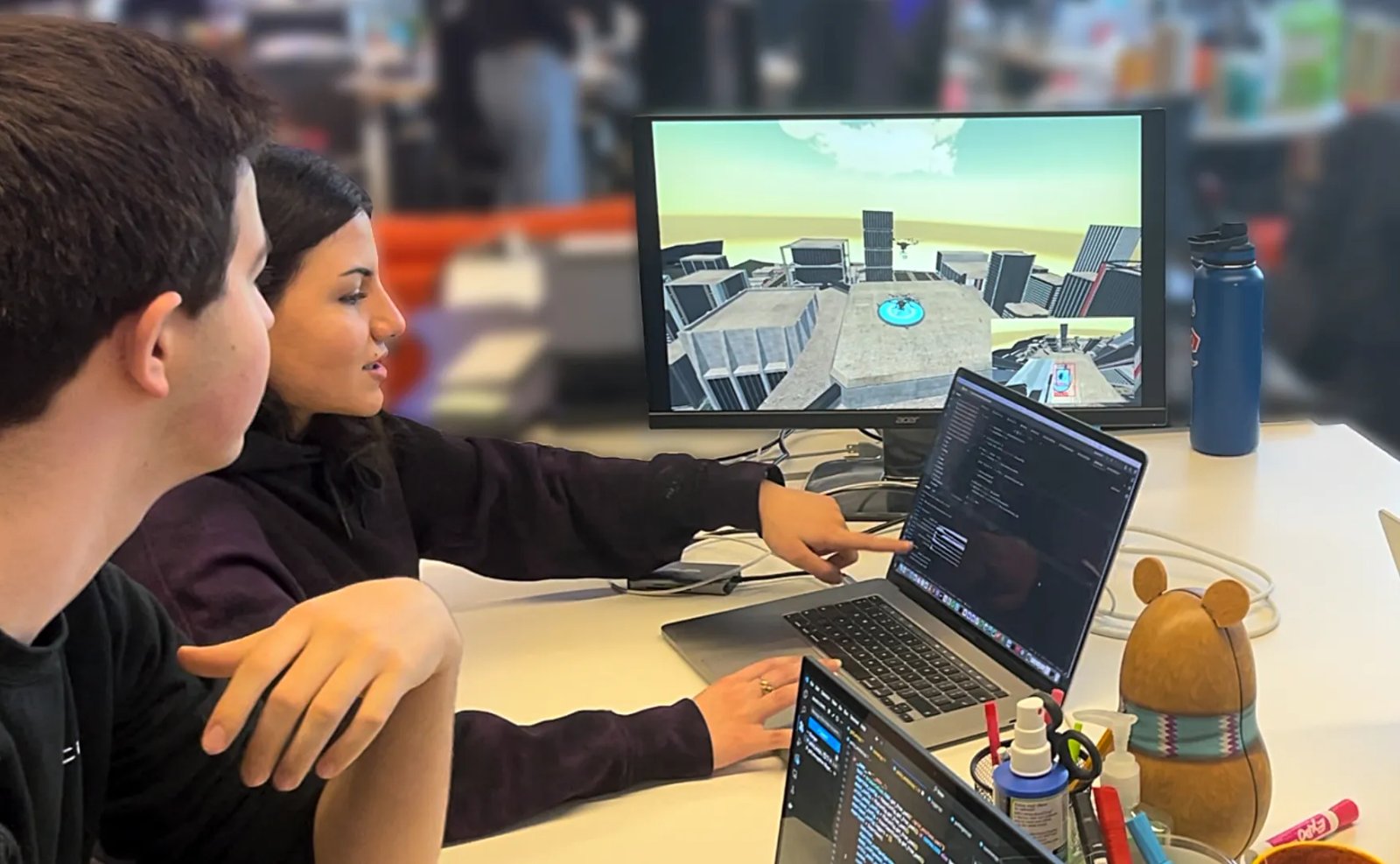
At the heart of Cornell’s research lies a unique blend of virtual and real-world testing. The team identified the need to simulate a crowded urban environment without the logistical challenges of flying multiple drones in populated areas. They embedded a simulated world into real drones, allowing them to navigate as if they were flying through a busy city even when grounded in an open field.
This innovative approach has led to the successful testing of crucial traffic management tools. By intentionally placing drones on collision courses, the team studied their ability to avoid accidents through coordination and quick decision-making. Their findings impressed experts at NASA, showcasing their comprehensive testing strategies. Over 10,000 runs and more than a million trajectories were analyzed, providing invaluable data on how multiple drones can safely coalesce in shared airspace.
The implications of this research extend beyond academia. Industry leaders and the Federal Aviation Administration (FAA) have shown interest in the team’s methodologies. For example, the Cornell group was asked to simulate a drone incident involving a crane in Arizona. They effectively demonstrated how better drone management could prevent such accidents. As the team continues to refine its technology, the potential for improved collaboration among drones in dynamic situations grows.
Ultimately, the Cornell students aim to create foundational systems that promote safe, large-scale autonomy in the skies. Through NASA’s USRC, their work is ushering in a new era of advanced air mobility. It stands as a testament to how academic innovation is positioning itself at the forefront of the aerial transportation revolution.
Expand Your Tech Knowledge
Explore the future of technology with our detailed insights on Artificial Intelligence.
Discover archived knowledge and digital history on the Internet Archive.
Space
