

Fast Facts
-
Google Data Center Expansion: Google is establishing its first Minnesota data center in Pine Island, supported by 1.9 gigawatts of clean energy, featuring a groundbreaking 300-megawatt battery from startup Form Energy.
-
Innovative Battery Technology: Form’s iron-air batteries, capable of delivering power for 100 hours, present a cost-effective solution at $20 per kilowatt-hour, despite being less efficient than lithium-ion counterparts.
-
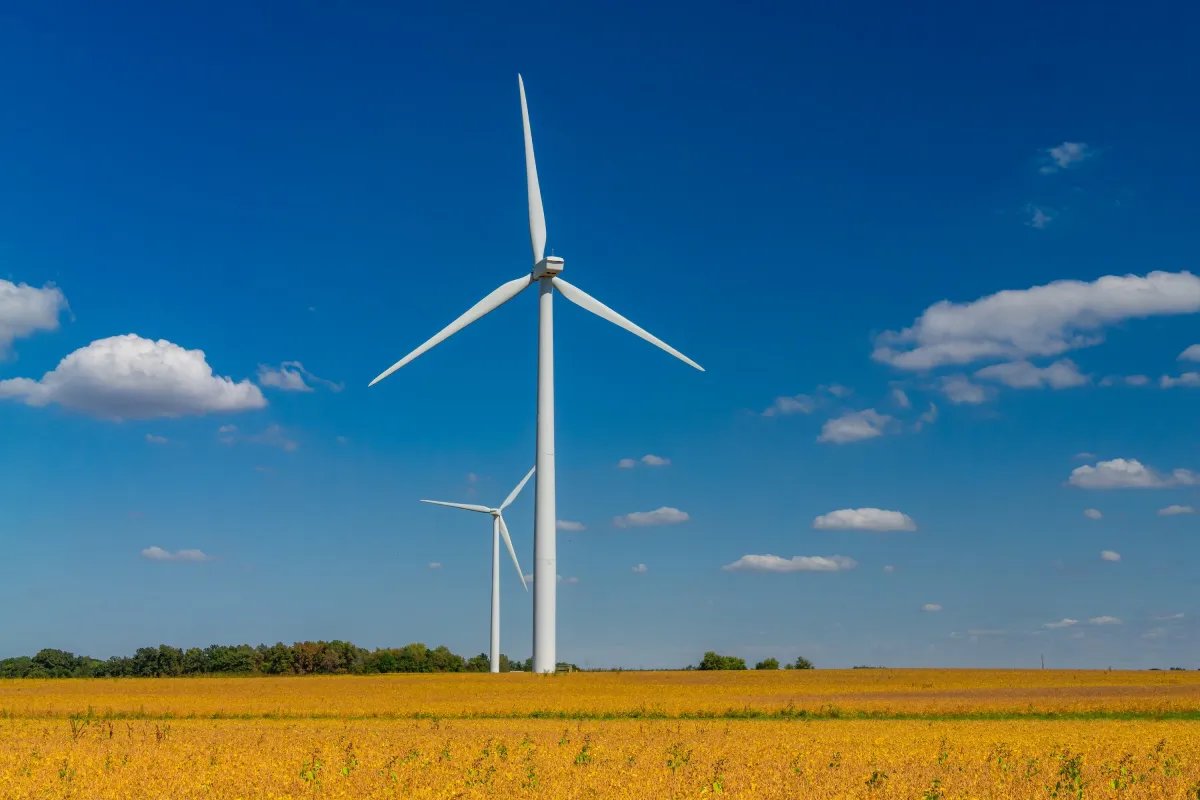
Partnership for Clean Energy: Google collaborates with Xcel Energy to develop 1.4 gigawatts of wind and 200 megawatts of solar power, enhancing the reliability of renewable energy.
-
Regulatory Strategy: A new utility fee structure, known as the “clean transition tariff,” enables safer investment in clean technologies by allowing utilities to adopt innovative projects with Google’s financial backing.
The Path to Clean Energy
Google’s recent announcement marks a significant milestone in clean energy innovation. The tech giant will build a data center in Minnesota, backed by a remarkable 1.9 gigawatts of renewable energy. This project involves 1.4 gigawatts of wind power and 200 megawatts of solar energy, partnered with Xcel Energy. The highlight is a groundbreaking 300-megawatt battery created by Form Energy, designed to store energy for up to 100 hours. This capability sets a new benchmark for battery technology, allowing consistent energy supply even when renewable sources are dormant, such as at night.
Long-duration batteries like Form’s help overcome a crucial challenge in renewable energy: intermittency. Although today’s lithium-ion batteries already assist with power storage, they operate for shorter periods. Conversely, Form’s iron-air technology offers a cost-effective solution. While these batteries may be less efficient—utilizing only 50% to 70% of the energy put into them—they stand out for their affordability. Form claims that their storage will ultimately cost just $20 per kilowatt-hour, significantly less than the current alternatives.
Implications for the Future
This project introduces a new utility fee structure aimed at stimulating clean technology investments without burdening consumers. By promoting a partnership that shares risks, Google and Xcel Energy enable the adoption of advanced energy solutions, potentially reshaping how utilities approach clean energy projects.
Despite the nascent state of Form’s technology, the widespread adoption of such innovative systems could transform the energy landscape. If successful, Google’s Minnesota project may serve as a model for future initiatives. Additionally, as more tech companies invest in renewable energy, society moves closer to a sustainable future. The journey toward clean energy is complex, yet every step, including this new endeavor, represents progress in curbing climate change and promoting energy independence.
Discover More Technology Insights
Explore the future of technology with our detailed insights on Artificial Intelligence.
Discover archived knowledge and digital history on the Internet Archive.
TechV1
