

Fast Facts
-
Garmin’s New Patent: Garmin has filed a patent for a method to estimate HbA1c levels using optical sensors in its watches, focusing on long-term glucose trends.
-
Non-Invasive Approach: Unlike traditional continuous glucose monitors, this technology would offer insights into metabolic health without needing finger pricks or external sensors.
-
Light-Based Sensing: The method utilizes light to analyze blood characteristics beneath the skin, aiming to infer HbA1c values through algorithmic modeling.
-
Validation Challenges: While promising, the technology faces significant accuracy and regulatory hurdles before it can be considered reliable, and it’s still in the theoretical stage.
Garmin’s Latest Patent Targets Non-Invasive Glucose Estimation
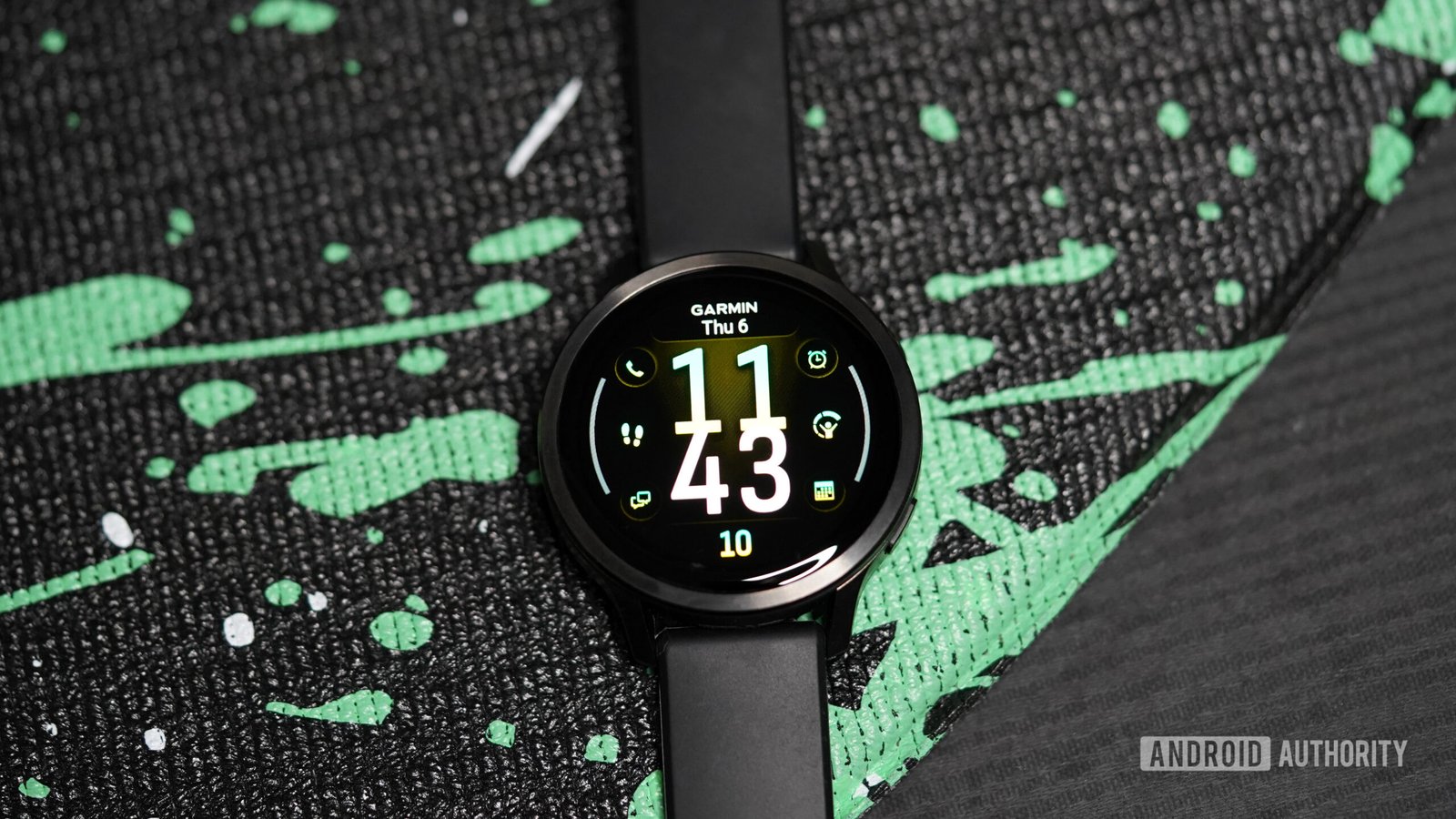
Garmin has taken a significant step in wearable health technology. The company has filed a patent for a new method to estimate HbA1c levels using optical sensors integrated into its watches. This innovative approach emphasizes long-term glucose trends instead of real-time measurements.
This new system aims to provide users with insights into their metabolic health without the discomfort of finger pricks or external sensors. By utilizing light-based sensing, the watch could analyze subtle changes in blood characteristics just beneath the skin. As a result, users could potentially gain a broader understanding of their glucose levels over time.
However, this concept remains theoretical for now. The patent outlines a strategy to analyze optical data and apply algorithmic modeling. In essence, the watch would infer HbA1c values based on light interactions with tissue and blood, a method that requires rigorous validation before becoming a viable product.
While Garmin’s innovation is promising, it faces challenges. Not every patented idea makes it to market, especially those linked to medical benchmarks that must meet high standards of accuracy. Other companies, like Huawei, have already introduced diabetes risk assessment features on some watches. However, those tools focus on health trends rather than precise glucose metrics.
Garmin’s patent illustrates the growing interest in non-invasive metabolic monitoring. As the push for wearable technology advances, consumers may soon benefit from smarter health tracking solutions. Overall, Garmin’s exploration in this area highlights the potential for innovation in health technology, paving the way towards a healthier future.
Discover More Technology Insights
Stay informed on the revolutionary breakthroughs in Quantum Computing research.
Discover archived knowledge and digital history on the Internet Archive.
GadgetsV1
