

Quick Takeaways
-
Near-Miss Incident: A fog-related near-crash at Austin airport highlighted the need for enhanced runway safety technology, as a FedEx plane narrowly avoided colliding with a Southwest Airlines jet.
-
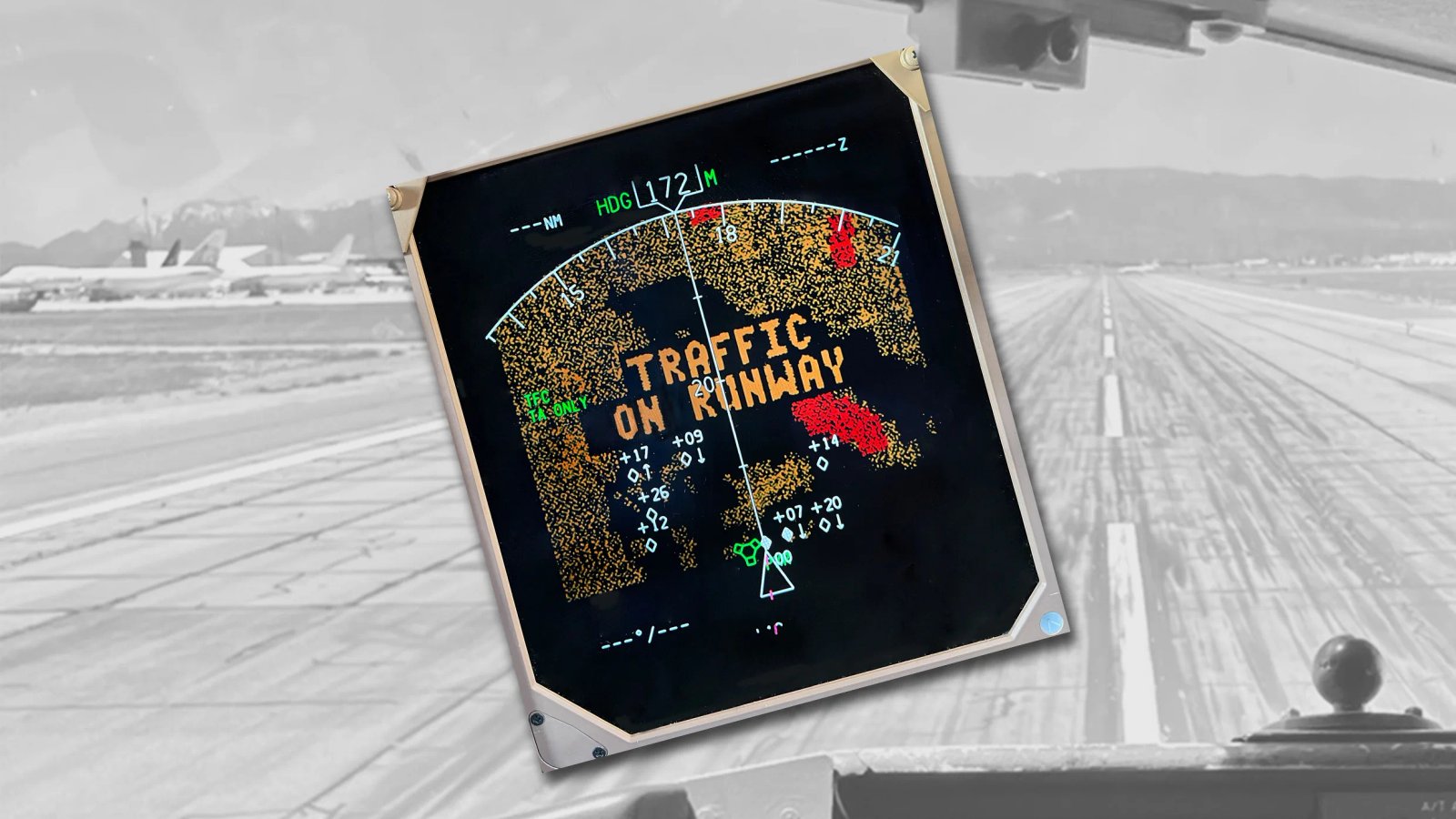
Innovative Technology: Honeywell’s new Surf-A software provides direct collision warnings to pilots, offering crucial alerts like “traffic on runway,” significantly improving reaction time in emergencies.
-
Government Recommendations: The National Transportation Safety Board is advocating for mandatory surface detection systems at all airports to improve situational awareness and prevent runway incursions.
-
Failures in Existing Systems: Recent incidents, including a tragic LaGuardia crash, underscored the limitations of current tracking systems and the critical need for real-time alerts, revealing gaps that can lead to catastrophic outcomes.
The Promise of New Technology
Recent incidents in aviation highlight a crucial need for enhanced runway safety. A near-miss in Austin demonstrated the dangers of poor visibility and miscommunication. Fortunately, Honeywell’s new technology, Surf-A, offers a solution. This system directly alerts pilots to potential runway collisions. It uses data from onboard transponders to track aircraft and ground vehicles. In a critical moment, Surf-A could provide essential warnings like “traffic on runway.” This technology is important because every second counts during emergencies.
Implementing Surf-A could significantly enhance situational awareness for pilots. For example, pilots could gain valuable seconds to react in similar scenarios to the one in Austin. The National Transportation Safety Board has urged the FAA to adopt this type of “surface detection” technology at all airports. This proactive approach could prevent tragic accidents by keeping both pilots and controllers informed in real time.
Roadblocks to Widespread Adoption
Despite its potential, the adoption of this technology faces challenges. Many airports lack the necessary infrastructure to support systems like Surf-A. Furthermore, past incidents reveal that existing technology can fail, as seen with ASDE-X at LaGuardia. If the fire truck had a transponder, it could have communicated its position more effectively. Clearly, improving technology is vital, but so is ensuring that all parts of the system work flawlessly together.
Moreover, pilots must be trained to trust and effectively use these alerts. Enhancing runway safety requires a comprehensive effort that combines advanced technology with human understanding. Until then, the aviation industry will continue to grapple with the complexities of runway safety. Embracing initiatives like Surf-A offers hope for a safer travel experience, aligning technology with the critical demands of human safety.
Continue Your Tech Journey
Learn how the Internet of Things (IoT) is transforming everyday life.
Access comprehensive resources on technology by visiting Wikipedia.
TechV1
