
Close Menu
    Facebook X (Twitter) Instagram
    Monday, April 27
    Top Stories:
    • Samsung’s Game-Changer: The Must-See Wide Foldable Phone
    • Freshmen with World Domination Dreams: The Book that Fuels Their Ambition
    • Chinese LED Firm’s Acquisition of Dutch Company Falls Through Amid US Opposition
    Facebook X (Twitter) Instagram Pinterest Vimeo
    IO Tribune
    • Home
    • AI
    • Tech
      • Gadgets
      • Fashion Tech
    • Crypto
    • Smart Cities
      • IOT
    • Science
      • Space
      • Quantum
    • OPED
    IO Tribune
    Home » Space-Bound Solutions: Crafting IV Fluids Among the Stars
    Space

    Space-Bound Solutions: Crafting IV Fluids Among the Stars

    Staff ReporterBy Staff ReporterApril 25, 2026No Comments3 Mins Read
    Share Facebook Twitter Pinterest LinkedIn Tumblr Reddit Telegram Email
    Share
    Facebook Twitter LinkedIn Pinterest Email

    Top Highlights

    1. On-Demand IV Fluid Production: NASA’s new IVGEN Mini technology generates sterile IV fluid from drinking water on the International Space Station, addressing the limited 16-month shelf life of prepackaged fluids.

    2. Size and Weight Reduction: The miniaturized system is smaller and lighter than its predecessor, optimizing space cargo loads for long-duration deep space missions, such as those to Mars.

    3. Rapid Fluid Generation: IVGEN Mini can produce 1.2 liters of IV fluid per hour, ensuring immediate availability during medical emergencies without relying on pre-packed supplies.

    4. Safety and Compliance: The system adheres to strict medical standards to ensure the quality of produced IV fluid, with ongoing tests planned for shelf-life efficacy.

    Liquid Lifeline: NASA’s IV Fluid Tech for Space Missions

    NASA is stepping into a new era of space health care. On every crewed mission, the agency includes IV fluid, a mix of sodium chloride and purified water. This liquid helps treat dehydration, burns, and other medical issues. However, the current shelf life is limited to just 16 months.

    To address this, engineers at NASA’s Glenn Research Center have developed a groundbreaking technology. They created a system that generates IV fluid on demand. This innovative approach could significantly enhance crew health on long missions, such as those to Mars, which may last up to three years.

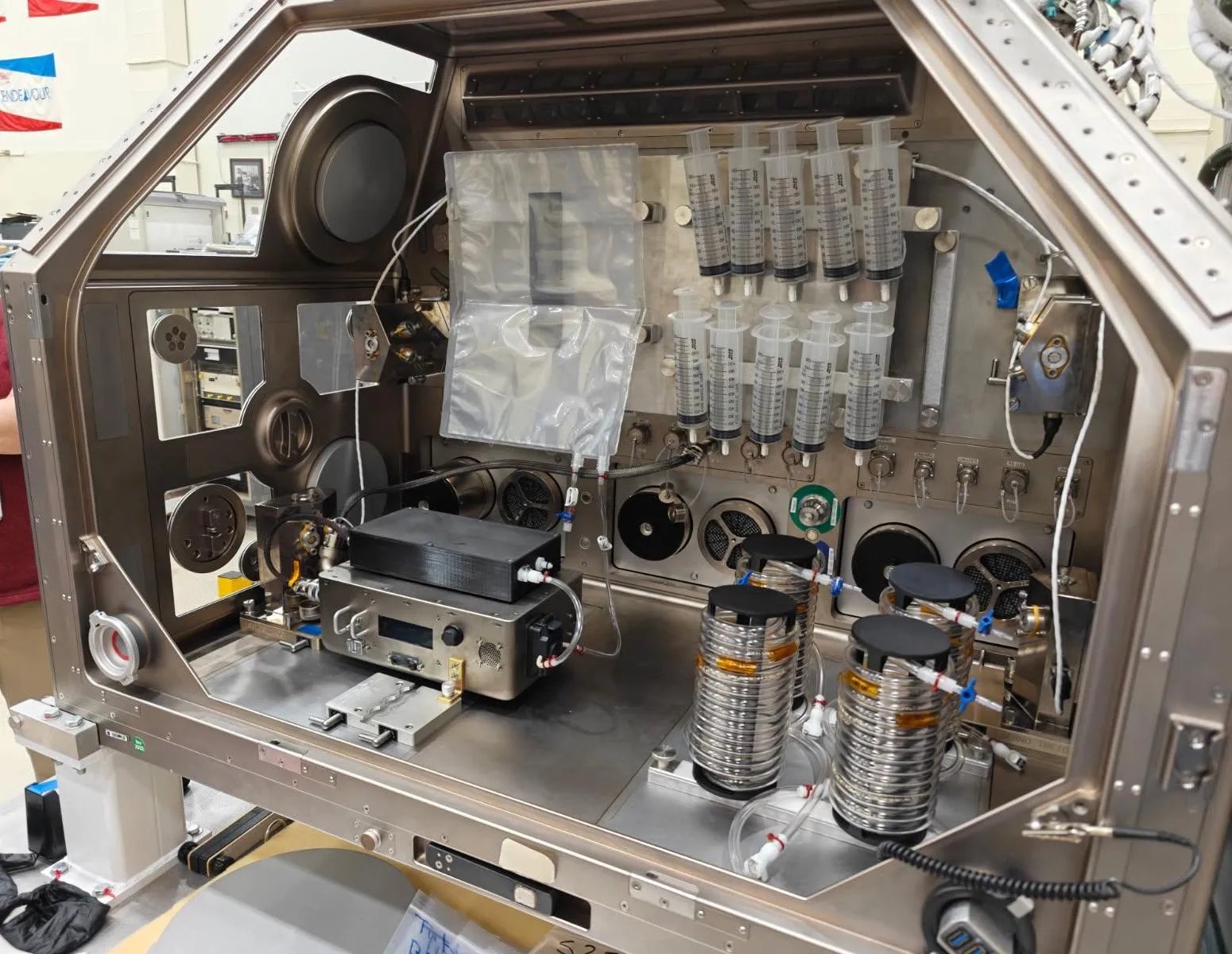
    The IntraVenous Fluid GENeration Miniaturized system, or IVGEN Mini, just arrived at the International Space Station. It flew there on April 11, alongside other supplies and experiments. Upcoming demonstrations, scheduled for this spring and fall, will test the system’s ability to produce sterile IV fluid in space.

    The process is straightforward. First, the crew adds drinking water from the station to a supply bag. Next, IVGEN Mini filters the water, removing particles and mineral ions. Finally, the filtered water mixes with premeasured sodium chloride, creating medical-grade IV fluid.

    NASA plans to run operations for this system in May. During these tests, the crew will generate 10 liters of fluid. They will send this back to Earth for analysis, ensuring that the fluid meets safety requirements.

    This miniaturized system is a significant upgrade from its predecessor. The original IVGEN was bulkier and included extra sensors. By shrinking the design, the team reduced weight and size, optimizing both the filtering process and cargo loads.

    This development holds great promise for deep space missions. Instead of packing heavy and perishable IV fluid, crews can generate it as needed. This convenience lowers the risk of running short on supplies and eliminates concerns about expiration.

    The system is designed to produce 1.2 liters of IV fluid per hour, ensuring it meets the needs of potential medical events. Moreover, it adheres to strict standards to ensure the fluid is free from contaminants.

    As NASA continues to refine IVGEN Mini, the team is also planning shelf-life testing for the fluid produced. This technology exemplifies NASA’s commitment to improving crewed missions to the Moon and Mars. Future innovations like this could greatly enhance the safety and well-being of astronauts, making deep space exploration more feasible than ever.

    For more information on NASA’s mission to Mars, visit their exploration systems website.

    Stay Ahead with the Latest Tech Trends

    Explore the future of technology with our detailed insights on Artificial Intelligence.

    Access comprehensive resources on technology by visiting Wikipedia.

    SciV1

    Cosmos Exploration Systems Development Mission Directorate General Glenn Research Center Human Space Travel Research Humans in Space Johnson Space Center Mars Marshall Space Flight Center NASA NASA Centers & Facilities NASA Directorates Science & Research Space technology Technology for Space Travel VT1
    Share. Facebook Twitter Pinterest LinkedIn Tumblr Email
    Previous ArticleTop Budget Phones of 2026: High Quality, Low Price
    Next Article Chernobyl Meltdown: The Night That Changed the World
    Avatar photo
    Staff Reporter
    • Website

    John Marcelli is a staff writer for IO Tribune, with a passion for exploring and writing about the ever-evolving world of technology. From emerging trends to in-depth reviews of the latest gadgets, John stays at the forefront of innovation, delivering engaging content that informs and inspires readers. When he's not writing, he enjoys experimenting with new tech tools and diving into the digital landscape.

    Related Posts

    Tech

    Samsung’s Game-Changer: The Must-See Wide Foldable Phone

    April 27, 2026
    Gadgets

    Viral Videos Reveal Samsung Phones Melting Plastic—Here’s Why

    April 27, 2026
    AI

    Ivory Tower Notes: The Methodology Unveiled

    April 27, 2026
    Add A Comment

    Comments are closed.

    Must Read

    Samsung’s Game-Changer: The Must-See Wide Foldable Phone

    April 27, 2026

    Viral Videos Reveal Samsung Phones Melting Plastic—Here’s Why

    April 27, 2026

    Ivory Tower Notes: The Methodology Unveiled

    April 27, 2026

    遠藤さくらが探る、下北沢の新古着店

    April 27, 2026

    Shining Stars: Celebrating Excellence in Space Leadership

    April 27, 2026
    Categories
    • AI
    • Crypto
    • Fashion Tech
    • Gadgets
    • IOT
    • OPED
    • Quantum
    • Science
    • Smart Cities
    • Space
    • Tech
    • Technology
    Most Popular

    UK Considers Social Media Ban for Under-16s: What’s at Stake?

    January 20, 2026

    Journey to the Moon: Meet NASA’s Artemis Dream Team!

    December 23, 2025

    Bitwise’s 10 Crypto ETF: Approved with a Twist!

    July 24, 2025
    Our Picks

    Private Equity’s Impact on Your Neighborhood Homes

    September 9, 2025

    Racing Tides: The Cost of Delay in Emissions Cuts

    October 12, 2025

    Rocket Lab’s HASTE: Accelerating Hypersonic Innovation for US and UK Forces

    April 17, 2025
    Categories
    • AI
    • Crypto
    • Fashion Tech
    • Gadgets
    • IOT
    • OPED
    • Quantum
    • Science
    • Smart Cities
    • Space
    • Tech
    • Technology
    • Privacy Policy
    • Disclaimer
    • Terms and Conditions
    • About Us
    • Contact us
    Copyright © 2025 Iotribune.comAll Rights Reserved.

    Type above and press Enter to search. Press Esc to cancel.