

Top Highlights
-
Hydralazine’s Vital Role: For 70 years, hydralazine has been a crucial treatment for severe hypertension, particularly in pregnant women, despite the unknowns surrounding its molecular mechanism of action.
-
Breakthrough Discovery: Researchers at the University of Pennsylvania uncovered that hydralazine blocks the oxygen-sensing enzyme ADO, which allows blood vessels to relax and lowers blood pressure.
-
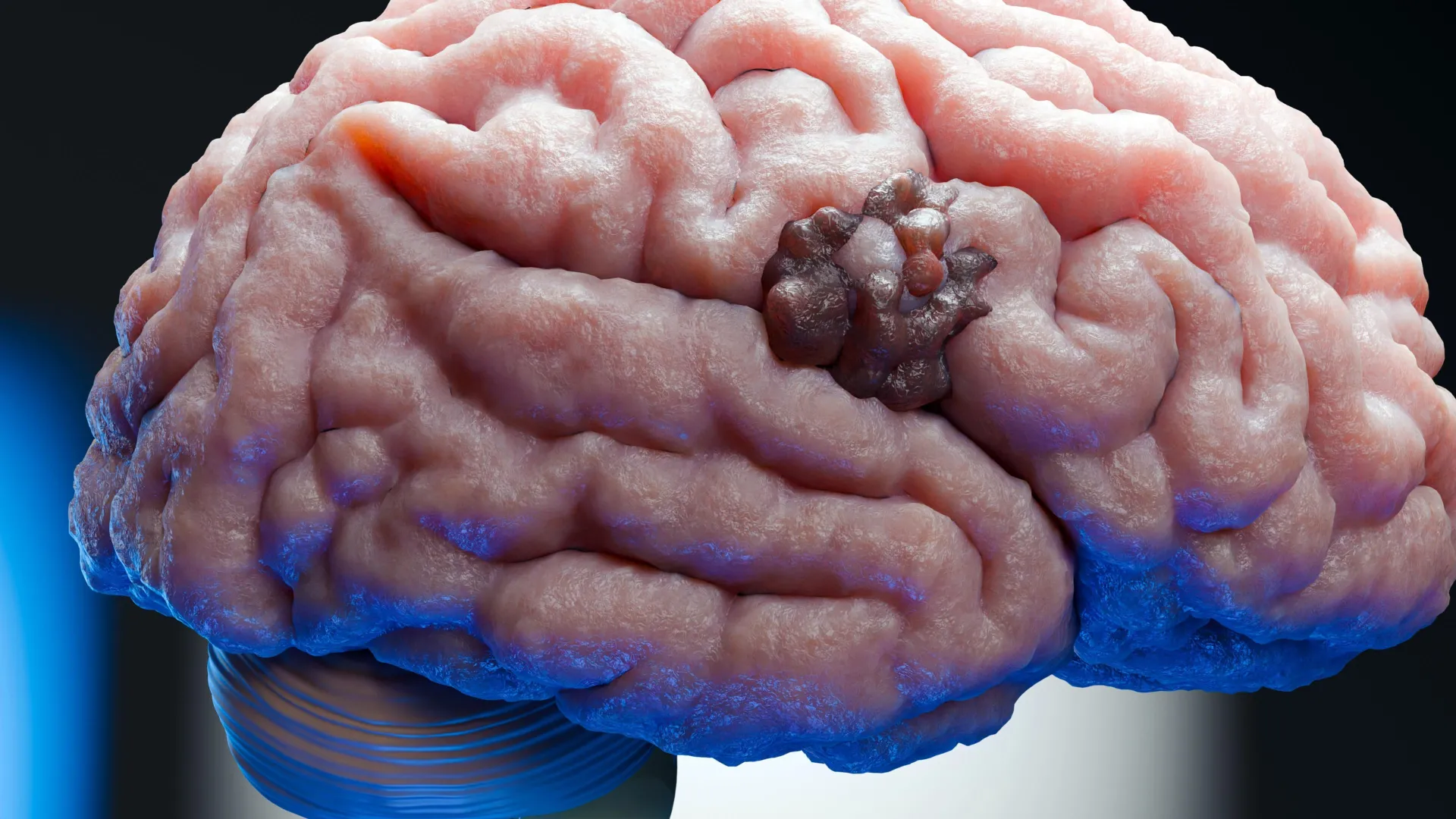
Implications for Cancer Treatment: The study revealed a link between the ADO pathway and brain cancer, suggesting that hydralazine could help induce a dormant state in glioblastoma cells, offering a new approach to treatment.
-
Future Research Directions: The team aims to develop more targeted ADO inhibitors to improve drug efficacy in treating both maternal health issues and brain tumors, emphasizing the potential of reexamining established medications for new therapeutic uses.
Rediscovering Hydralazine’s Hidden Potential
For 70 years, hydralazine has held a crucial role in medicine. It serves as a first-line treatment for high blood pressure during pregnancy, especially concerning preeclampsia. This serious condition leads to up to 15% of maternal deaths globally, disproportionately affecting women of color. Despite its longstanding presence, scientists had not fully understood how hydralazine works at a molecular level. The recent research finally addresses this gap and reveals exciting implications.
Researchers discovered that hydralazine blocks an enzyme called 2-aminoethanethiol dioxygenase (ADO). This enzyme acts like an alarm system, signaling blood vessels to tighten when oxygen levels drop. By inhibiting ADO, hydralazine allows regulators of G-protein signaling (RGS) proteins to stabilize. As these proteins build up, they shift the balance away from constriction, leading to vasodilation. This discovery not only clarifies the drug’s mechanism but also uncovers a potential link between hypertensive disorders and brain cancer, amplifying hydralazine’s significance.
A Path Toward Innovative Treatments
Moving forward, the implications of this work extend beyond pregnancy-related hypertension. Researchers found that the same ADO pathway aids the survival of glioblastoma cells in low-oxygen environments. Unlike traditional chemotherapy, which often harms healthy cells, hydralazine offers a gentler alternative by inducing a dormant state in tumor cells. This approach could reduce the adverse effects typically associated with cancer treatments.
The next phase of this research aims to develop new, targeted ADO inhibitors that effectively penetrate the blood-brain barrier while minimizing damage to healthy tissues. Such advancements represent not only a leap in our understanding of existing drugs but also a promise of safer and more effective therapeutic options for both maternal health and cancer care. Exploring these unconventional connections can signal a transformative moment in medicine, illustrating that past practices often hold the key to the future of treatment.
Expand Your Tech Knowledge
Learn how the Internet of Things (IoT) is transforming everyday life.
Access comprehensive resources on technology by visiting Wikipedia.
TechV1
