

Summary Points
-
NASA has selected two scientific instruments for the Artemis IV mission to enhance understanding of the Moon’s environment and support future Mars exploration.
-
The DUSTER investigation will study lunar dust and plasma, addressing hazards to astronaut health and exploration, while employing a rover for data collection.
-
The SPSS (South Pole Seismic Station) will monitor lunar seismic activity, helping to characterize the Moon’s interior and improve astronaut safety during operations.
-
These instruments represent vital advancements identified by NASA and the scientific community, aiming to leverage human presence on the Moon for impactful scientific goals.
NASA Selects Two Instruments for Artemis IV Lunar Exploration
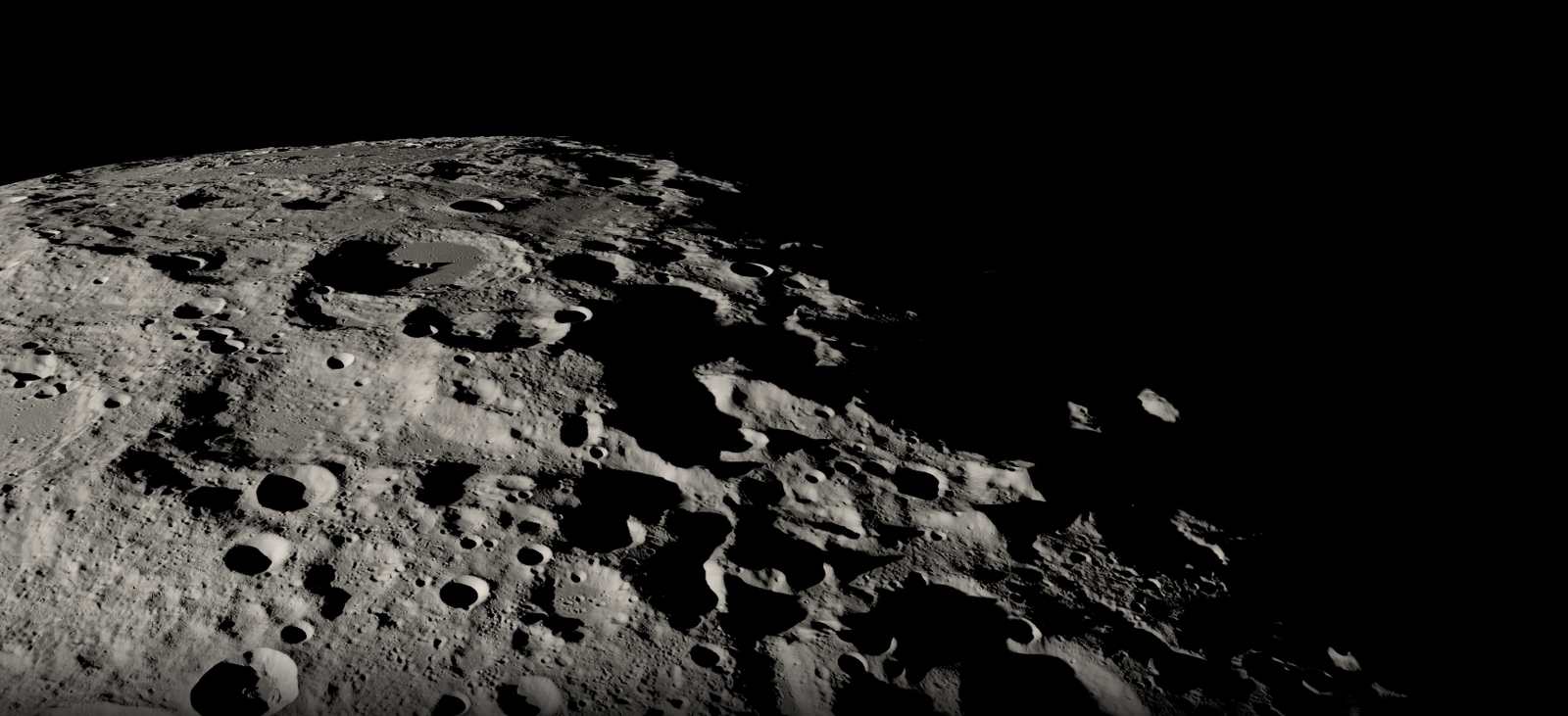
NASA has selected two science instruments for the Artemis IV mission. Astronauts will deploy these instruments on the Moon’s surface. This mission aims to explore the lunar south polar region, enhancing our understanding of the Moon and its environment. Ultimately, this work will support future explorations to Mars.
The first instrument, known as DUSTER, stands for DUst and plaSma environmenT survEyoR. This sophisticated device will ride on a small autonomous rover. It will study lunar dust and plasma at the landing site. This research is crucial since lunar dust, which clings to surfaces, poses significant challenges for exploration. By gathering data on these elements, researchers can identify hazards that might impact human health and equipment.
The second instrument is the South Pole Seismic Station (SPSS). This seismometer will help scientists understand the Moon’s internal structure and monitor meteorite impacts. By analyzing seismic activities, the SPSS will provide insights into how the Moon behaves during exploration activities, crucial for astronaut safety. It will also conduct active experiments to enhance knowledge of the lunar surface’s shallow layers.
NASA prioritizes these investigations to gather information deemed strategically important. The two instruments reflect a commitment to lead global efforts in space science. As missions like Artemis progress, they pave the way for substantial advancements in technology and knowledge.
As scientists explore the Moon, they also prepare for future missions to Mars. The Artemis missions aim to answer critical scientific questions. Moreover, they will capitalize on the unique qualities of the lunar environment and the capabilities of human explorers.
These instruments represent a significant step toward ensuring safe and sustainable human presence on other celestial bodies. The Artemis program continues to inspire innovation while laying the groundwork for interplanetary exploration. For updates on Artemis and its missions, interested readers can visit NASA’s official website.
Continue Your Tech Journey
Stay informed on the revolutionary breakthroughs in Quantum Computing research.
Access comprehensive resources on technology by visiting Wikipedia.
SciV1
