

Fast Facts
-
Inspiration for Change: Sarah Sajedi’s experience on the Phi Phi islands, where she encountered plastic waste, prompted her to transition from a business career to pursuing a PhD focused on plastic waste.
-
Microplastics and Health Risks: Her research reveals that bottled water drinkers ingest significantly more microplastics (90,000 particles) than tap water consumers and emphasizes the serious yet understudied health risks associated with these particles.
-
Impact of Single-use Plastics: Sajedi highlights the pressing issue of single-use water bottles, noting that current legislative actions often overlook this problem, focusing instead on items like bags and straws.
-
Need for Education: She advocates for education on the chronic toxicity of plastic consumption, stressing that while bottled water may be safe in emergencies, it should not be a regular choice for daily hydration.
Unveiling Hidden Dangers
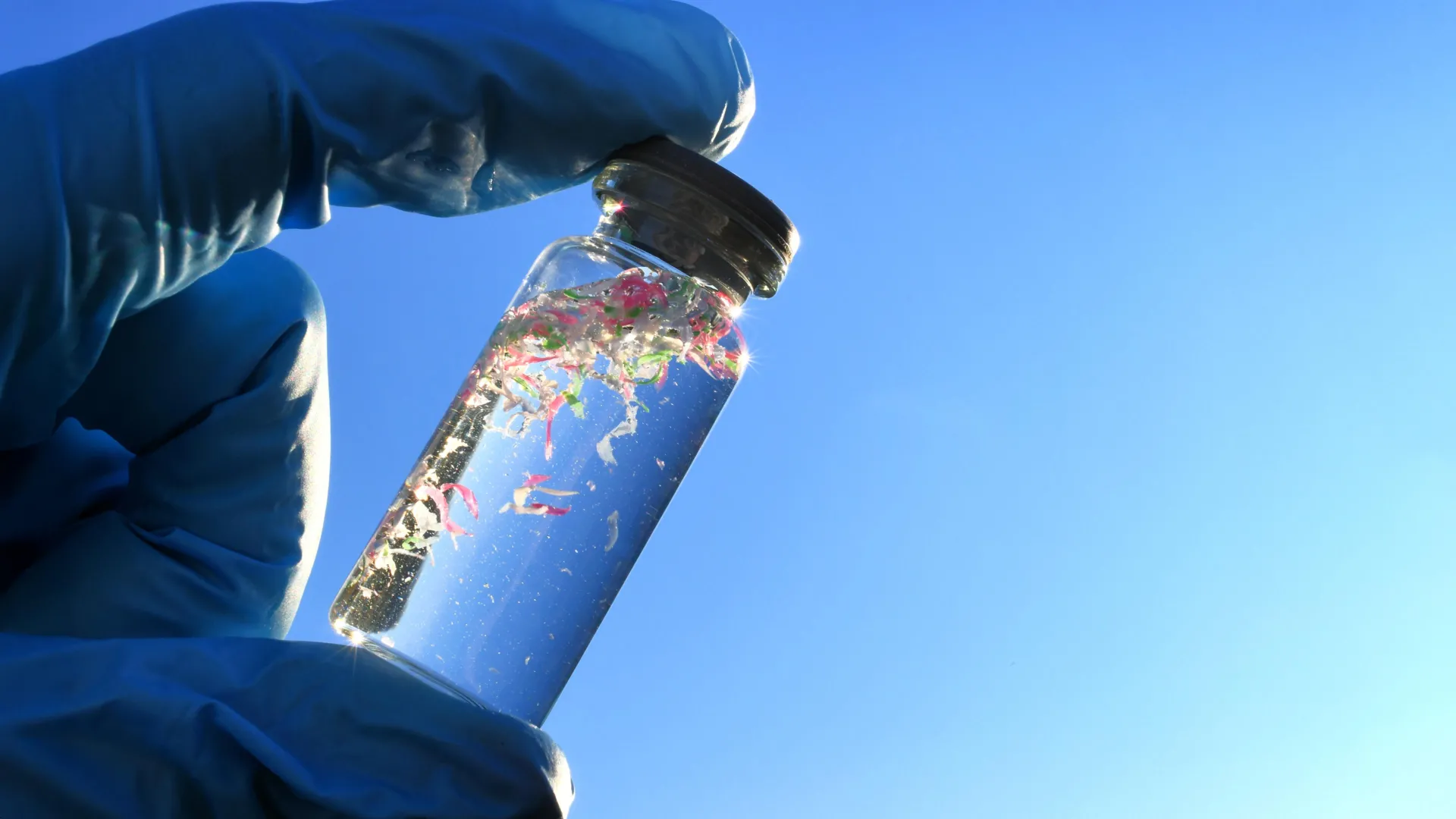
New research shines a light on the threats lurking in bottled water. While many consider it a safe choice, studies show otherwise. Researchers reveal that bottled water often contains microplastic particles, which consumers ingest in alarming quantities. Those who drink bottled water can ingest up to 90,000 more particles annually compared to those who use tap water. This statistic highlights a stark reality: everyday choices can carry hidden risks.
Microplastics, typically invisible to the eye, range from one micron to five millimeters in size. They break off during production, shipping, and everyday handling of plastic bottles. Factors like temperature changes further contribute to their release. Unlike other sources of plastic pollution, these particles enter our bodies directly rather than through the food chain. Once inside, they pose significant health risks, crossing biological barriers and reaching vital organs. Chronic health issues, including hormonal disruption and potential cancer, may arise. Still, much remains unknown due to a lack of comprehensive research on the long-term impacts.
Education as a Path Forward
Although governments are beginning to address plastic waste, many efforts overlook single-use water bottles. Education stands out as the most crucial tool in addressing this issue. Experts emphasize that while bottled water is suitable in emergencies, it should not replace daily hydration practices. Increasing awareness around the chronic toxicity of microplastics is essential.
Innovative solutions exist, yet they often come with high costs or limited availability. Bridging this gap will require collaboration among researchers, innovators, and policymakers. As individuals, understanding the dangers of bottled water promotes responsible consumption. By prioritizing education, we empower communities to make informed choices. Ultimately, raising awareness about these hidden threats can lead to more sustainable practices, benefiting both our health and the environment.
Expand Your Tech Knowledge
Explore the future of technology with our detailed insights on Artificial Intelligence.
Access comprehensive resources on technology by visiting Wikipedia.
TechV1
