

Top Highlights
-
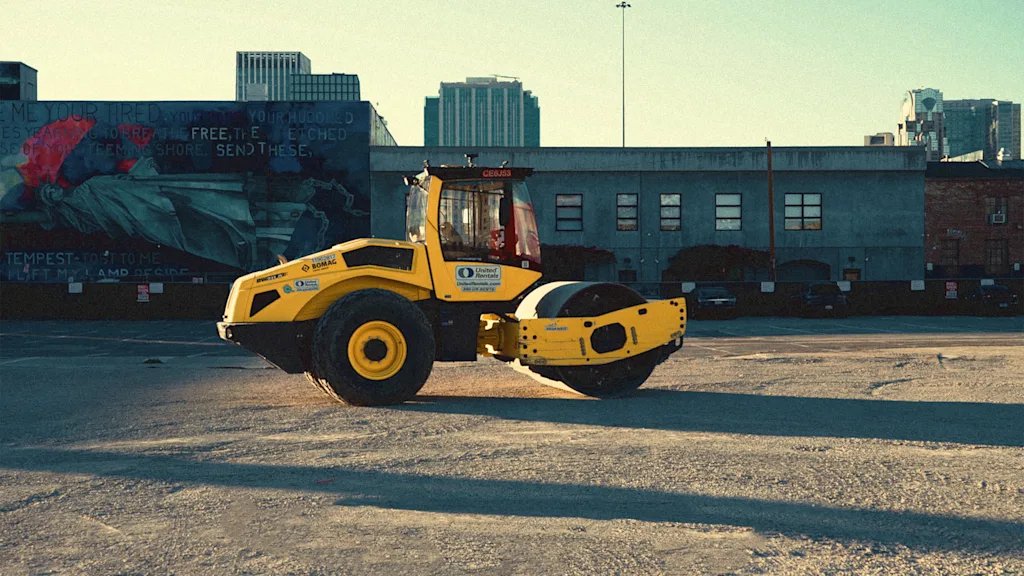
Autonomous Innovation: A robotic drum roller in Austin compacted 30 acres of airport extension soil for 30 days without human operators, improving productivity from six hours of downtime to under one hour daily.
-
Safety and Efficiency: The autonomous technology, created by Crewline, ensures safety and accident prevention, promising a significant boost in construction efficiency while minimizing risks.
-
Labor Shortages Addressed: The technology addresses the critical labor shortage in construction, with a median worker age of 42 and a lack of younger replacements, helping mitigate delays and rising costs.
-
Future of Construction: Filz-Reiterdank envisions a 24/7 robotic orchestration for construction sites, aiming to revolutionize the industry and combat declining productivity trends seen over the last 50 years.
Advancing Construction Efficiency
Imagine a drum roller compacting dirt on a construction site without a driver. Recently, a remarkable pilot project in Austin, Texas showcased just that. For 30 days, a robotic drum roller worked efficiently on a 30-acre airport extension. This innovation dropped daily downtime significantly, reducing it from six hours to under one hour. Thanks to a sophisticated safety system, the machine operated without any accidents. Such cutting-edge technology highlights a shift in the construction industry. By transforming traditional equipment into intelligent robots, companies can enhance productivity and tackle long-standing bottlenecks.
Moreover, construction productivity has noticeably lagged behind other sectors. While U.S. economic productivity doubled over the last 50 years, construction dropped by more than 30%. This decline raises eyebrows, especially as industries increasingly embrace automation. Traditional construction methods remain less adaptable. However, robotic systems can dramatically change the landscape, allowing for a round-the-clock robotic orchestra on construction sites. With this, projects could finish faster and with fewer obstacles.
Addressing Labor Shortages
In addition to improving efficiency, robotic rollers combat a pressing industry issue: labor shortages. The median age of construction workers is 42, with nearly half of the workforce over 45. As this seasoned group nears retirement, fewer younger workers are stepping into their shoes. Thus, companies face delays and escalating costs to complete projects. Innovations like autonomous machinery offer a solution during this transition. Filz-Reiterdank, an industry leader, emphasizes that automation becomes essential when skilled labor remains in short supply.
Beyond increasing productivity, this technology could entice younger workers as they witness the modernization of the industry. Instead of operating heavy machinery, they could focus on more strategic roles involving design and oversight. As construction continues to evolve, embracing automation will not only enhance productivity but also nurture a new generation of skilled professionals. As the industry adapts, this approach might just pave the way for a brighter future in construction.
Continue Your Tech Journey
Stay informed on the revolutionary breakthroughs in Quantum Computing research.
Discover archived knowledge and digital history on the Internet Archive.
TechV1
