

Essential Insights
-
Purposeful Design: The Orion Crew Survival System (OCSS) suits are specifically engineered for NASA’s Artemis II mission to ensure astronaut safety during launch, lunar missions, and high-speed returns to Earth.
-
Comprehensive Support: In emergencies, the OCSS suits sustain life for up to six days, supplying astronauts with oxygen, hydration, food, and waste management.
-
Crew-Centric Development: The suits are custom-fitted based on detailed astronaut measurements and feedback, ensuring maximum comfort and functionality in space.
-
Personal Commitment: OCSS manager Dustin Gohmert highlights the technical challenges and deep personal responsibility he feels in contributing to humanity’s return to the Moon.
NASA’s Artemis II Mission: Ensuring Safety with Advanced Space Suits
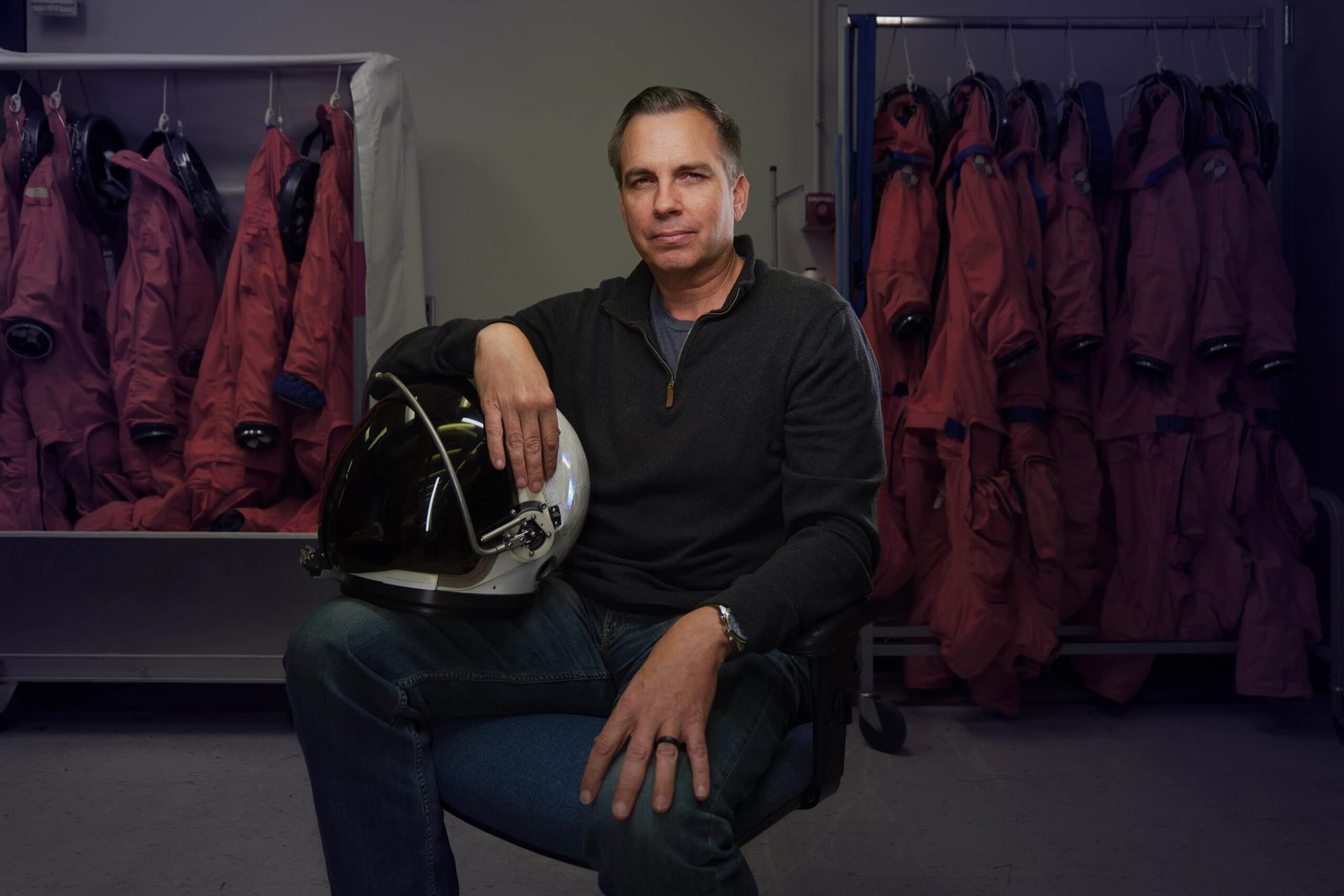
During NASA’s Artemis II mission, astronauts will wear specialized pressure suits designed to keep them safe throughout their journey around the Moon. At the Johnson Space Center in Houston, Dustin Gohmert leads the Orion Crew Survival System (OCSS) team, responsible for these innovative suits.
“We collaborate with the crew on design concepts,” Gohmert stated. “We adapt the suits with their feedback to prioritize safety and practical impacts.”
These suits will serve critical purposes. They will protect astronauts on launch day, during high-risk phases near the Moon, and during the intense return to Earth. In emergencies, the OCSS suits can sustain life for up to six days, providing essential oxygen, hydration, food, and waste management.
“In an emergency, it’s like living in a personal spacecraft just one inch larger than your body,” Gohmert explained. This emphasizes the challenges astronauts face in space survival.
Gohmert’s team manages the entire lifecycle of these suits, from design to testing. They tackle engineering issues, like maintaining safe internal pressure for extended periods. Each suit is custom-built, ensuring a precise fit through detailed sizing and multiple fit checks.
Gohmert’s background enhances his work. After earning degrees in mechanical engineering from the University of Texas, he joined United Space Alliance and then NASA. His journey reflects a commitment to overcoming both technical challenges and the personal responsibility that comes with space safety.
As NASA prepares for deeper space exploration, Gohmert’s contributions will be vital. He noted, “I was born after the last Moon landing. Being part of the next round feels overwhelming and awe-inspiring.”
Through the Artemis program, technology advances. The work done on these suits not only boosts space exploration but also drives innovations that can improve safety and quality of life on Earth.
Continue Your Tech Journey
Stay informed on the revolutionary breakthroughs in Quantum Computing research.
Discover archived knowledge and digital history on the Internet Archive.
SciV1
