

Essential Insights
-
Lunar Exploration Partnership: NASA has awarded Blue Origin a CLPS task order to deliver the VIPER rover to the Moon’s South Pole, aimed at searching for ice and volatile resources to support future exploration.
-
Investment and Value: The task order is valued at up to $190 million, marking Blue Origin’s second lunar delivery contract, with the rover’s launch scheduled for late 2027.
-
Innovative Approach: Blue Origin is responsible for the mission architecture, payload integration, and testing, while NASA oversees rover operations and scientific planning, reducing costs and technical risks.
-
Significance of Findings: The VIPER mission is crucial for understanding lunar resources, which will aid long-term human exploration and provide insights into the solar system’s volatiles and evolution.
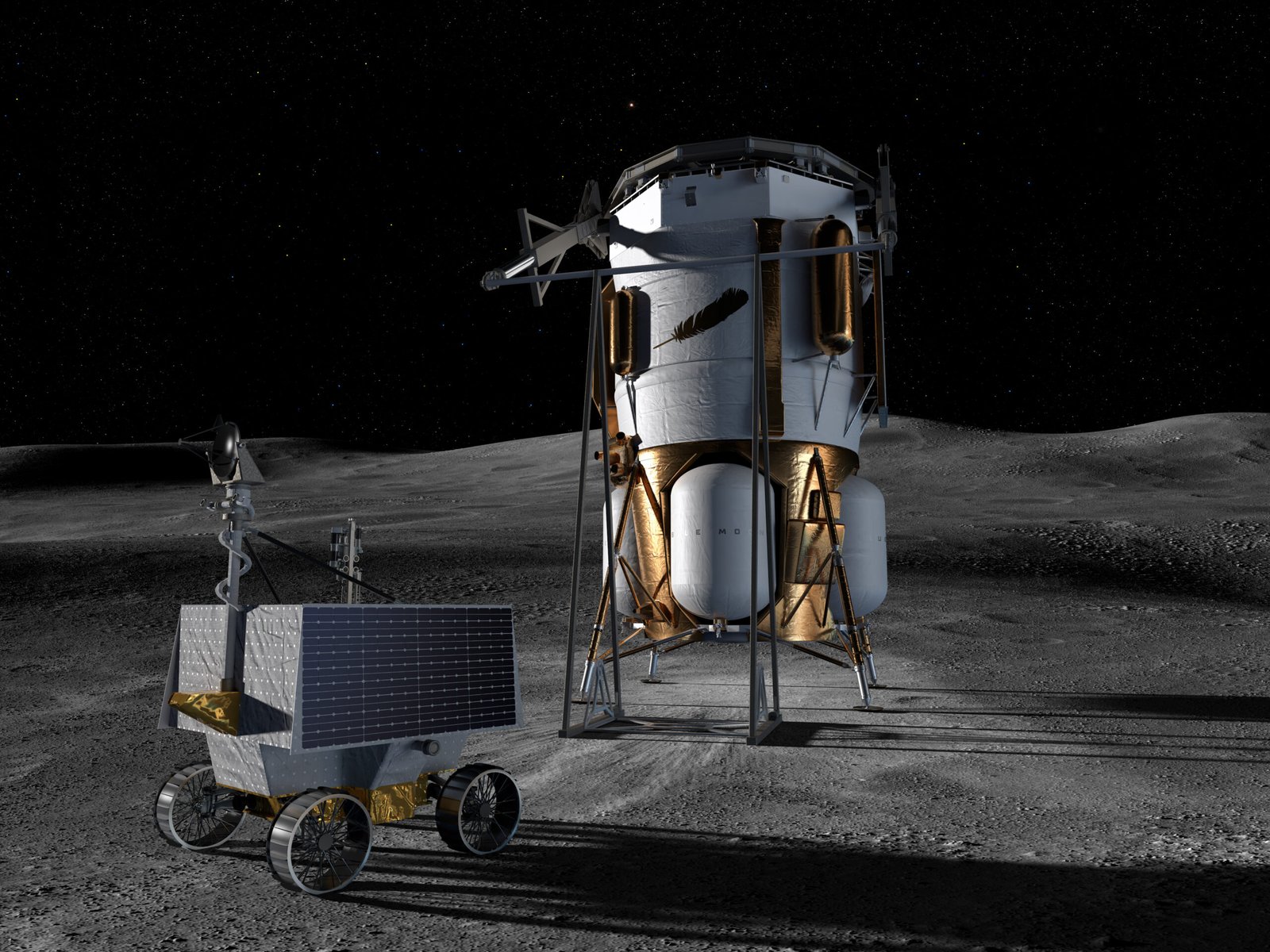
NASA has selected Blue Origin to deliver the VIPER rover to the Moon’s South Pole. This mission supports NASA’s Artemis program, which aims to expand lunar exploration. VIPER, or Volatiles Investigating Polar Exploration Rover, will search for ice and other volatile resources on the lunar surface.
Acting NASA Administrator Sean Duffy emphasized the importance of this mission. “NASA is leading the world in exploring more of the Moon than ever before,” he stated. The rover will travel to shadowy regions to identify suitable landing sites for future astronauts.
The contract, valued at $190 million, marks Blue Origin’s second lunar delivery. Their first mission, launching later this year, will send instruments to study lunar plumes. For the VIPER rover, Blue Origin plans to use a second Blue Moon lander, scheduled for launch in late 2027.
NASA had previously canceled the VIPER project but revived it to better map potential lunar resources. “We are committed to learning more about water on the Moon to support future human exploration,” said Nicky Fox from NASA. This approach aims to leverage local resources for sustainable missions.
The task order allows Blue Origin to design specific payload accommodations. NASA will decide whether to proceed with the rover’s delivery after reviewing the initial launch performance. This contract structure decreases both costs and technical risks.
Blue Origin will handle the entire landing mission. They will conduct necessary design and testing for the lunar lander. Meanwhile, NASA will manage rover operations and scientific investigations. Joel Kearns noted that finding lunar water sources could help inform future human activities on the Moon.
Through the Commercial Lunar Payload Services program, private companies are increasingly involved in space exploration. This collaboration advances technology and enhances the United States’ position in the growing commercial lunar economy. NASA’s Ames Research Center and Johnson Space Center also play vital roles in the rover’s development and mission planning.
As humanity looks toward future missions, understanding the Moon’s resources remains crucial for advancements in space exploration and technology development. For more information on NASA’s Artemis and CLPS efforts, visit NASA’s official website.
Stay Ahead with the Latest Tech Trends
Dive deeper into the world of Cryptocurrency and its impact on global finance.
Discover archived knowledge and digital history on the Internet Archive.
SciV1
