
Close Menu
    Facebook X (Twitter) Instagram
    Sunday, April 19
    Top Stories:
    • 250-Million-Year-Old Fossil Confirms Mammals’ Egg-Laying Ancestors
    • Unraveling 160 Million Years of Mystery: A Fossil Discovery Like No Other!
    • Breakthrough Discovery: Scientists Find Way to Halt Common Virus Carried by 95%!
    Facebook X (Twitter) Instagram Pinterest Vimeo
    IO Tribune
    • Home
    • AI
    • Tech
      • Gadgets
      • Fashion Tech
    • Crypto
    • Smart Cities
      • IOT
    • Science
      • Space
      • Quantum
    • OPED
    IO Tribune
    Home » BioSentinel: Pioneering Space Biology
    Space

    BioSentinel: Pioneering Space Biology

    Staff ReporterBy Staff ReporterNovember 22, 2025No Comments3 Mins Read
    Share Facebook Twitter Pinterest LinkedIn Tumblr Reddit Telegram Email
    Share
    Facebook Twitter LinkedIn Pinterest Email

    Summary Points

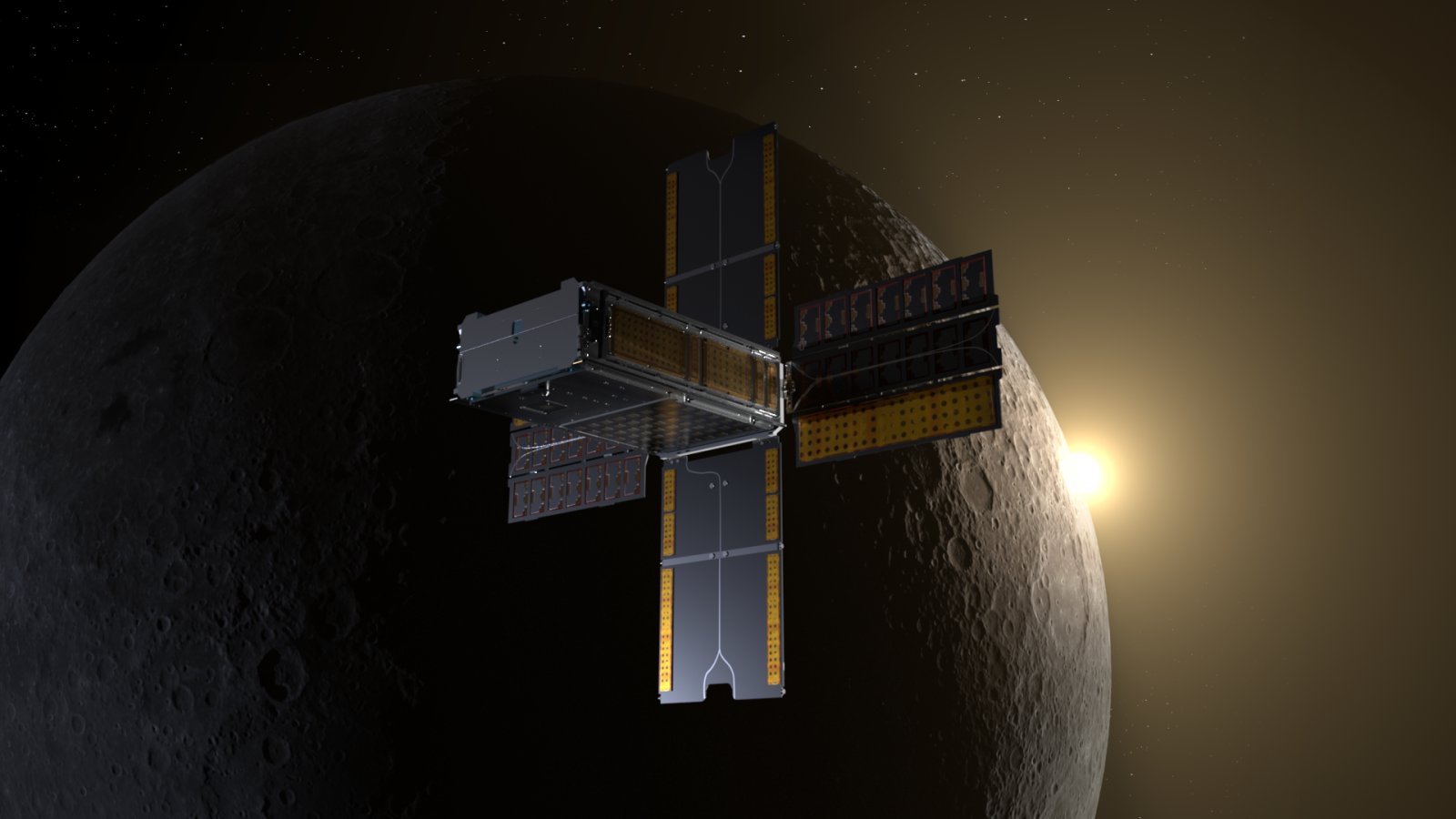
    1. Deep Space Research: BioSentinel, a CubeSat launched aboard Artemis I, is conducting the first long-duration biology experiments beyond Earth’s magnetic field to study how radiation affects living organisms, using yeast as a model.

    2. Mission Challenges: Although initial yeast activation failed due to pre-launch storage issues, BioSentinel’s onboard radiation detector continues collecting valuable data to understand the unique radiation environment of deep space.

    3. Extended Observation: NASA has extended BioSentinel’s mission to gather continuous radiation data, crucial for assessing health risks for future astronauts venturing into deep space, especially during active solar cycles.

    4. Comparative Studies: Alongside BioSentinel, similar experiments are being conducted in varying gravity and radiation conditions, helping researchers to better interpret the effects of space radiation and develop protective strategies for long-term human exploration.

    BioSentinel: Pioneering Deep Space Biology Research

    BioSentinel is a groundbreaking mission aimed at understanding how life reacts to space radiation. As part of NASA’s Artemis program, it launched aboard the Artemis I rocket and has embarked on a journey over 48 million miles from Earth. Scientists at NASA’s Ames Research Center in California are leading this initiative, which utilizes yeast to explore the effects of radiation in space.

    Astronauts on the International Space Station experience a relatively protected environment. The Earth’s magnetic field shields them from harmful radiation. However, future missions to deep space will expose astronauts to higher radiation levels. BioSentinel seeks to address this challenge by studying how two strains of yeast respond to space radiation.

    Yeast, similar to human cells, can suffer DNA damage from high-energy radiation. Through BioSentinel, researchers activated these yeast strains to grow and monitor their response to radiation. Despite initial setbacks, where yeast didn’t grow as expected, the mission continues to gather valuable data. The onboard radiation detector is actively measuring radiation levels in deep space.

    NASA has extended BioSentinel’s mission to increase data collection in this unique high-radiation environment. With the Sun’s activity fluctuating in an 11-year cycle, the possibility of solar storms adds urgency to this research. Such storms present risks to astronauts but may also offer insights into protective measures.

    The project builds on earlier experiments conducted in space and on Earth. By comparing responses across different environments, scientists gain a clearer picture of how to protect future explorers. BioSentinel serves as a vital step in ensuring the safety of long-duration space travel.

    This mission represents a leap forward in technology development and understanding biological responses in extreme conditions. The knowledge gained could improve safety protocols for astronauts, paving the way for deeper space exploration and the eventual colonization of other celestial bodies.

    BioSentinel not only enhances our understanding of space but also contributes to advancements in health and technology. The insights from this mission can impact life on Earth, influencing medical research and improving DNA repair strategies. As researchers continue to analyze data, the future of space exploration grows brighter, promising new horizons for humanity.

    Discover More Technology Insights

    Explore the future of technology with our detailed insights on Artificial Intelligence.

    Access comprehensive resources on technology by visiting Wikipedia.

    SciV1

    Ames Research Center Artemis Cosmos CubeSats ISS Research NASA Science Instruments Small Satellite Missions Space Sustainability Technology for Living in Space VT1
    Share. Facebook Twitter Pinterest LinkedIn Tumblr Email
    Previous ArticleByju’s Founder Challenges $1B Bankruptcy Court Ruling
    Next Article Seize the Moment: Invest in Climate Tech Today!
    Avatar photo
    Staff Reporter
    • Website

    John Marcelli is a staff writer for IO Tribune, with a passion for exploring and writing about the ever-evolving world of technology. From emerging trends to in-depth reviews of the latest gadgets, John stays at the forefront of innovation, delivering engaging content that informs and inspires readers. When he's not writing, he enjoys experimenting with new tech tools and diving into the digital landscape.

    Related Posts

    AI

    AI Agents Need a Home—Git Worktrees Make It Happen

    April 19, 2026
    Crypto

    Garinex’s Successor, Grinex, Falls Days After Coordinated Wallet Attack

    April 18, 2026
    Science

    Silent Voices: How Music and Traffic Noise Shape Our Imagination

    April 18, 2026
    Add A Comment

    Comments are closed.

    Must Read

    AI Agents Need a Home—Git Worktrees Make It Happen

    April 19, 2026

    Garinex’s Successor, Grinex, Falls Days After Coordinated Wallet Attack

    April 18, 2026

    Silent Voices: How Music and Traffic Noise Shape Our Imagination

    April 18, 2026

    Quantum AI Masters Chaos Prediction

    April 18, 2026

    Apple Dodges Second Import Ban on Redesigned Smartwatches in Recent Court Ruling

    April 18, 2026
    Categories
    • AI
    • Crypto
    • Fashion Tech
    • Gadgets
    • IOT
    • OPED
    • Quantum
    • Science
    • Smart Cities
    • Space
    • Tech
    • Technology
    Most Popular

    OnePlus Phone Set to Revolutionize Battery Life, Outpacing Both Samsung and Apple!

    December 22, 2025

    Jack Dorsey’s Bluetooth Messaging App Hits the App Store!

    July 30, 2025

    Could Solana (SOL) Hit $315? Must-See Chart Signal!

    December 7, 2025
    Our Picks

    China Urges Ride-Hailing Firms to Uphold Gig-Worker Rights Ahead of Holidays

    February 10, 2026

    XPRIZE Carbon: Revolutionizing Carbon Removal with Simplicity

    April 23, 2025

    Samsung Galaxy S26: Is a Key Charging Feature Being Abandoned?

    February 6, 2026
    Categories
    • AI
    • Crypto
    • Fashion Tech
    • Gadgets
    • IOT
    • OPED
    • Quantum
    • Science
    • Smart Cities
    • Space
    • Tech
    • Technology
    • Privacy Policy
    • Disclaimer
    • Terms and Conditions
    • About Us
    • Contact us
    Copyright © 2025 Iotribune.comAll Rights Reserved.

    Type above and press Enter to search. Press Esc to cancel.