

Top Highlights
- Tropical Storm Arthur, the first of the 2026 season, hit Gulf Coast.
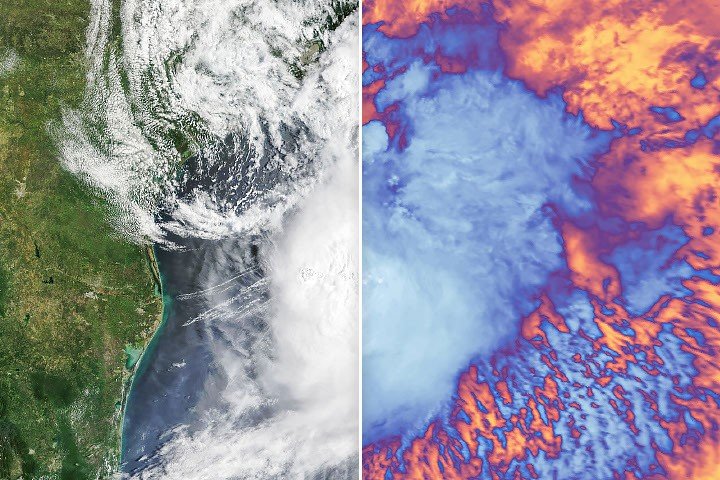
- NASA captured images showing storm intensity and cloud temperature effects.
- Winds reached 40 mph; severe gusts recorded up to 48 mph.
- Heavy rainfall caused flash flood warnings, with totals over 20 inches expected.
Tropical Storm Arthur: A NASA Science Overview
Tropical Storm Arthur became the first named storm of the 2026 Atlantic hurricane season, affecting the U.S. Gulf Coast in mid-June. This storm showcased the power of nature, bringing high winds and heavy rain. Thanks to NASA’s Terra satellite, scientists captured vital images that enhance our understanding of storms like Arthur.
Satellite Insights
The Terra satellite recorded a natural-color image of Arthur on June 17 at 10:30 a.m. Central Time. The detailed picture reveals the storm’s structure as it was just designated a tropical storm by the National Hurricane Center (NHC). Another image captured infrared signals, which offer critical data on cloud temperatures. Cooler cloud tops appear in white and purple, while the warmer ocean surface shows up in yellow and orange. This technology is essential for monitoring storms, as it helps meteorologists assess their strength and trajectory.
Though Arthur did not reach hurricane status, it still demonstrated significant power. The storm produced maximum sustained winds of 40 miles per hour, and tropical-storm-force winds extended 175 miles from the center. Reports from Galveston, Texas, recorded gusts hitting 48 miles per hour, indicating the storm’s impact on populated areas.
Rainfall and Flooding Risks
Heavy rainfall accompanied Tropical Storm Arthur, raising concerns about flash flooding. The National Weather Service warned that the storm could lead to life-threatening conditions due to intense precipitation rates. Using data from IMERG, a product of the Global Precipitation Measurement mission, meteorologists tracked rainfall patterns, which indicated high rates over the Gulf and extending into the inland regions.
As Arthur weakened on June 18, it continued to dump heavy moisture on central Gulf Coast states. Southeastern Louisiana reported rainfall rates reaching 3 inches per hour. Forecasts suggested some areas might receive over 12 inches of rain, with isolated locations possibly experiencing totals nearing 20 inches. This level of precipitation can quickly lead to flooding and requires vigilant response from emergency services.
By examining data from advanced satellite technology, scientists and meteorologists gain crucial insights into the behavior of storms like Arthur. This information helps communities prepare and respond effectively to severe weather events. Understanding these phenomena is essential not only for immediate safety but also for developing longer-term strategies in climate resilience.
Discover More Technology Insights
Stay informed on the revolutionary breakthroughs in Quantum Computing research.
Discover archived knowledge and digital history on the Internet Archive.
Space
