

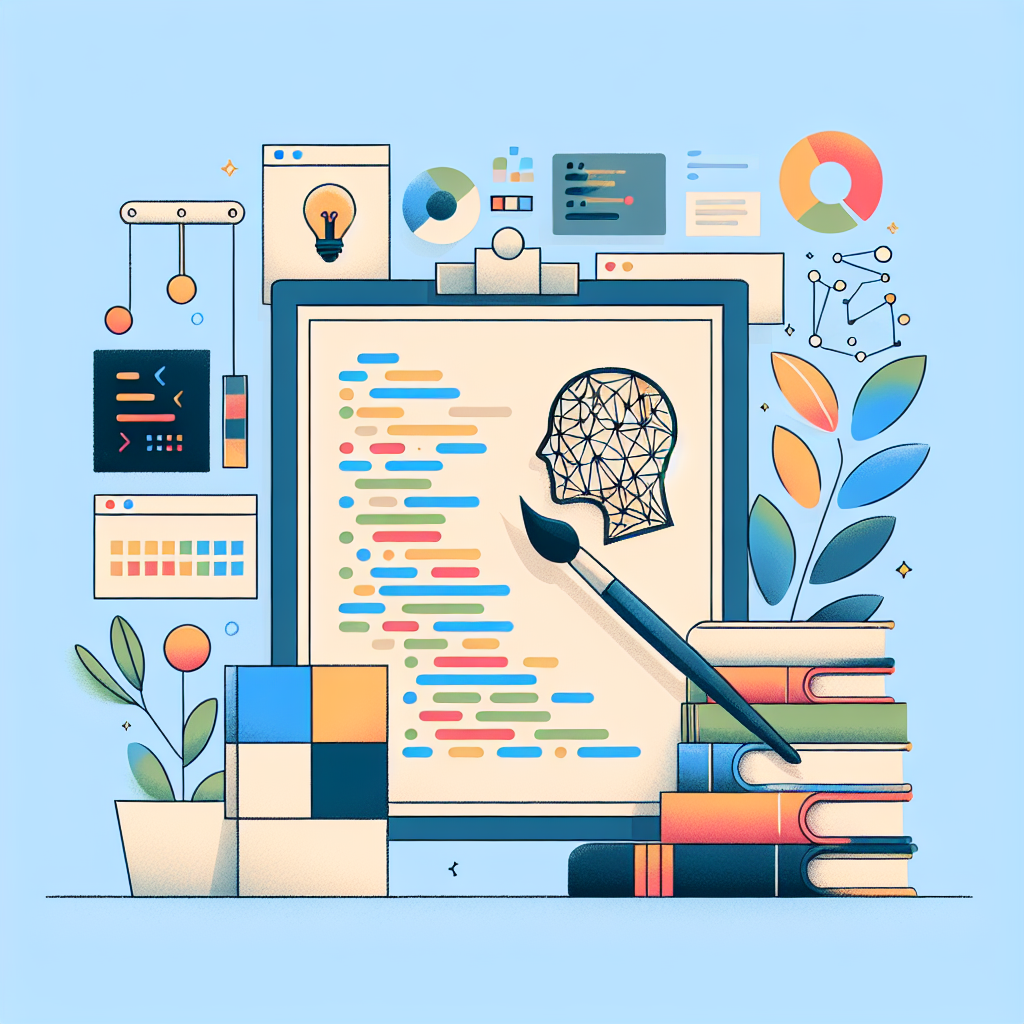
The Intersection of Art and AI
Imagine walking through an art gallery and encountering a painting created not by human hands, but by machine intelligence—a vivid swirl of colors and patterns that channels emotion and evokes thought. This scenario is no longer the stuff of science fiction. As artificial intelligence (AI) advances, it crosses into creative territory. “The Canvas of Code” explores how this technological marvel reshapes our understanding of creativity, inviting us to reconsider what it means to be an artist in an era dominated by algorithms.
AI as a Creative Collaborator
Traditionally, we viewed creativity as a uniquely human trait. From the sonnets of Shakespeare to the brush strokes of Van Gogh, artistry belonged squarely to people. Yet, AI begins to blur these lines. In the realm of art, tools like DALL-E and Midjourney allow users to generate striking visuals with a simple text prompt. A musician can utilize AI like AIVA to compose original scores or remix classics in unexpected ways.
These tools do not simply replicate human creativity; they expand it. Artists now collaborate with AI to explore new avenues of expression. For instance, the digital artist Refik Anadol integrates AI-driven algorithms into his installations, creating data paintings that shift continually, reflecting real-time information. This partnership pushes boundaries, enabling artists to explore styles and concepts they might never have encountered alone.
Yet, this evolution does not come without questions. If a machine can create a work that resonates deeply, what does that say about the essence of creativity? Is it a mere replication of human insight, or can AI generate something genuinely original? These inquiries challenge our long-standing definitions of creativity.
Redefining Value in a New Creative Economy
With AI producing aesthetically pleasing works, our understanding of art’s value shifts dramatically. Galleries and collectors face important questions: How do we assess a painting made by AI? Does it hold the same worth as one created by an individual? The unique nature of authorship comes into play. When AI generates a masterpiece, who claims it? The programmer? The artist who provided the input? This dilemma prompts the art world to rethink authenticity and originality.
Consider the case of “Edmond de Belamy,” an AI-generated portrait sold at auction for an astonishing $432,500. This sale questioned traditional notions of value. Does the price reflect the creativity of the algorithm, or is it merely a novelty that capitalizes on the audience’s intrigue? As our systems of evaluation evolve with technology, they compel us to interrogate our appreciation of artistry itself.
Ethical Considerations in AI-Created Content
The emergence of AI in creative fields raises significant ethical concerns. The ability to mimic styles and trends brings forth issues of copyright and ownership. If an AI creates a song that sounds like The Beatles or a painting reminiscent of Monet, who owns that work? The implications stretch far beyond the individual creators. Companies deploying AI to produce art must navigate complex ethical terrain regarding intellectual property and attribution.
AI’s capacity to analyze vast troves of data can spark creativity. However, it also prompts us to consider our moral responsibilities. Artists and technologists alike must engage in discussions about the responsible use of AI, ensuring that it serves as a tool for collaboration rather than exploitation. The balance between empowering creators and safeguarding their rights is a pivotal part of this conversation.
Inviting Reflection on Creativity’s Future
As we stand at this exciting intersection of technology and artistry, it’s worth pondering what the future holds. The questions raised by “The Canvas of Code” inspire deeper thought about the nature of creative expression. What does it mean to create in a world where machines participate alongside humans? How will this collaboration evolve, and what new forms of art might emerge?
This exploration of AI and creativity invites you, the reader, to consider your own creativity in the context of technology. How can these advancements enhance your artistic pursuits? Can you envision a partnership between your imagination and AI that leads to unexpected outcomes? The canvas of code is open, waiting for our brushstrokes—whether human or algorithmic. Embrace the possibilities, and let your creativity flourish amid the digital surge.
Continue Your Tech Journey
Explore the future of technology with our detailed insights on Artificial Intelligence.
Access comprehensive resources on technology by visiting Wikipedia.
OPED_V1
