

Top Highlights
-
Definition and Impact: Long COVID is characterized by symptoms lasting over two months post-infection, affecting an estimated 65 million people globally, with no approved treatments available.
-
Biological Mechanisms: The condition may stem from overlapping issues such as persistent virus, low-level inflammation, micro-clots, autoimmune responses, and metabolic dysfunction, causing varied organ damage.
-
Promising Therapies: Ongoing research explores various therapies, including antivirals, non-drug rehabilitation, targeted medications, and gut health interventions, with early studies showing potential benefits in symptom relief.
-
Need for Comprehensive Research: There’s an urgent need for large, randomized trials to establish effective treatments, emphasizing a flexible, multi-system approach incorporating antiviral use, rehabilitation, and personalized care.
Understanding Long COVID: The Role of Inflammation and Clots
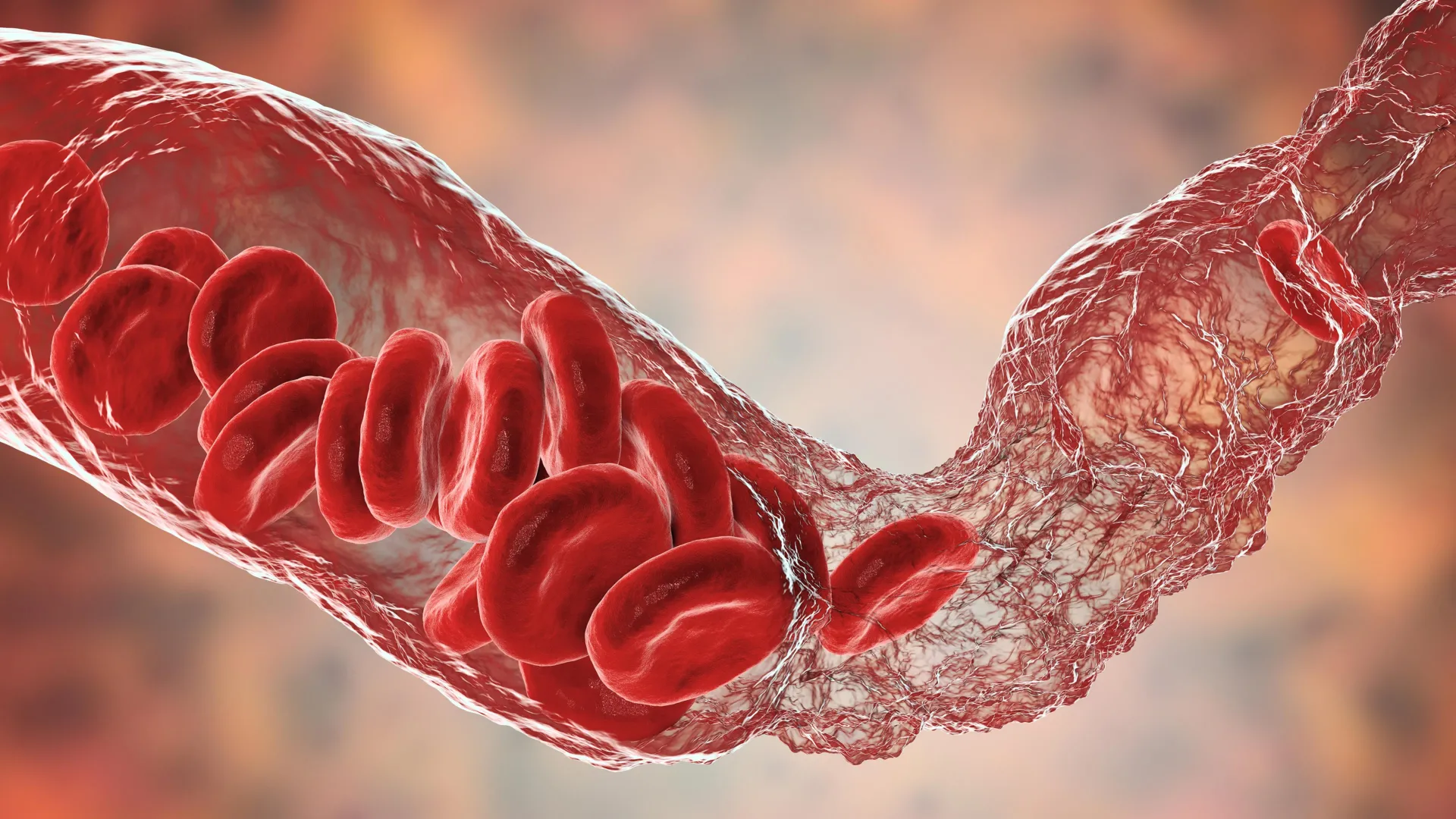
Long COVID manifests as symptoms lasting at least two months after the initial SARS-CoV-2 infection. This condition now affects approximately 65 million people globally. Researchers believe underlying factors fuel its persistence. Prominent among them are inflammation and tiny blood clots. Elevated markers like IL-1β, IL-6, and TNF-α indicate ongoing inflammation, while interactions between the viral spike protein and fibrinogen contribute to clotting issues. These overlapping biological problems can lead to serious complications, including heart inflammation, neuro-inflammation, and other organ dysfunctions.
There are no approved, evidence-based treatments for long COVID yet. Nevertheless, various research initiatives aim to improve understanding and develop therapies. Approaches range from structured rehabilitation programs to targeted medications. Early initiatives like antiviral drugs already show promise. For instance, treatments taken during an initial infection may lower the risk of developing long COVID significantly.
Pathways to Recovery: Rehabilitation and Emerging Treatments
For those in early stages with mild symptoms, non-drug treatments are vital. Programs focusing on physical and mental rehabilitation can enhance quality of life. Techniques like breathing exercises improve heart and lung health. However, activity needs careful supervision to prevent worsening inflammation. In more advanced cases, targeted medications address specific symptoms. Some drugs aim to alleviate clotting and immune imbalance. For example, low-dose naltrexone can reduce fatigue while therapies like apheresis target micro-clots and auto-antibodies.
Recent research emphasizes reducing inflammation as a key strategy. Metformin, when administered early, may lower the risk of long COVID by reducing inflammatory signaling within the body. Additionally, supplements like quercetin and curcumin demonstrate potential benefits in symptom management. Overall, the search for effective treatments continues, with a focus on comprehensive solutions that consider the diverse impacts of long COVID. As scientists investigate these possibilities, a flexible, multidisciplinary approach remains crucial, combining rehabilitation with emerging therapies and targeted treatments.
Stay Ahead with the Latest Tech Trends
Learn how the Internet of Things (IoT) is transforming everyday life.
Discover archived knowledge and digital history on the Internet Archive.
TechV1
