

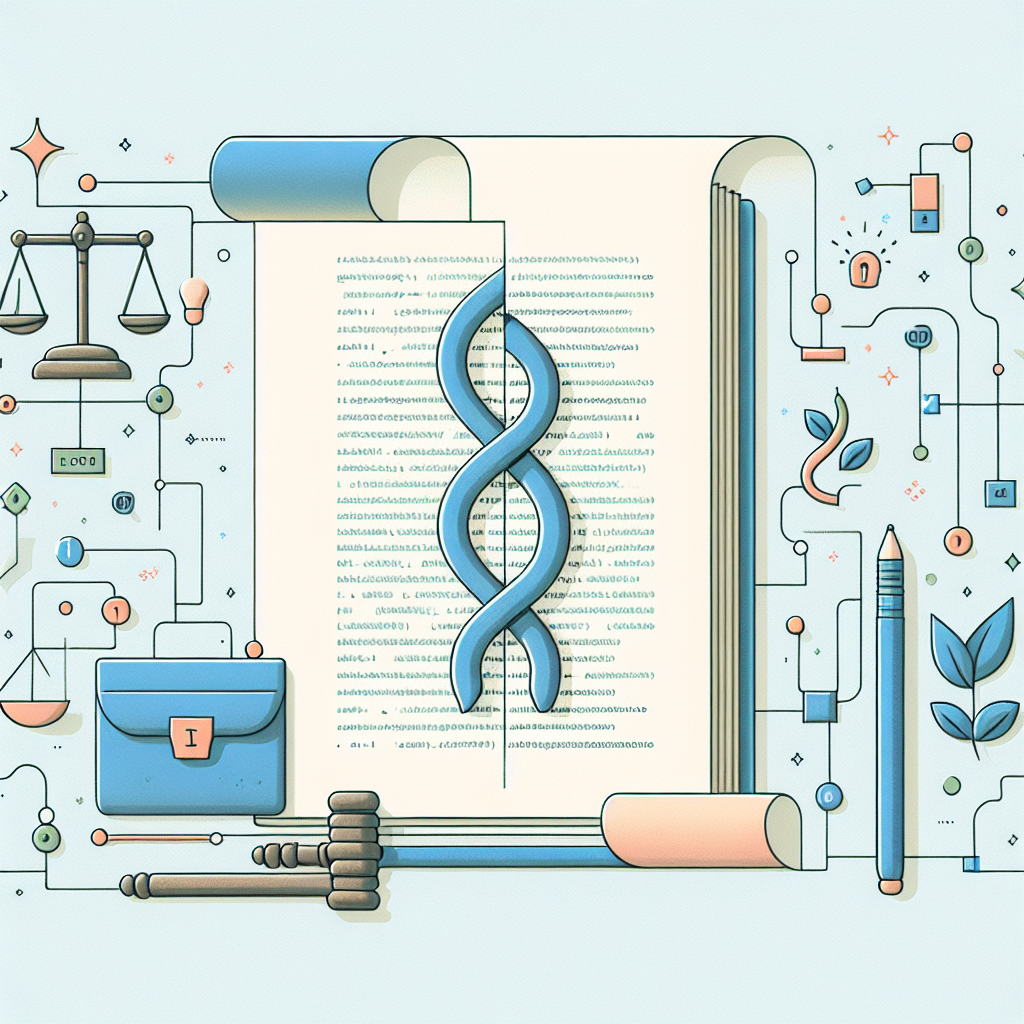
The Digital Scale of Justice
Imagine walking into a courtroom where the judge does not solely rely on evidence and personal judgment. Instead, an algorithm crunches the numbers, analyzes patterns, and suggests outcomes. This scenario has become increasingly common in today’s legal landscape. Algorithms now impact decisions—from policing to sentencing. They promise efficiency and fairness but may also carry hidden risks. Can machines genuinely uphold justice, or do they simply replicate existing biases?
The Promise of Algorithms
Algorithms can process vast amounts of data quickly. They analyze past cases and derive patterns that humans might miss. This capability can lead to faster decisions, freeing judges to focus on more complex issues. For example, in predictive policing, algorithms evaluate crime hotspots. They aim to deploy police resources where they’re needed most. In theory, this could reduce crime rates and keep neighborhoods safer.
Another promising application lies in sentencing recommendations. Some jurisdictions use algorithms to assess the likelihood of reoffending. Armed with this data, judges can make more informed sentencing choices. They might spare non-violent offenders from harsh penalties, potentially reducing prison overcrowding.
However, one must ask—does this mean that justice is being served more fairly? Are algorithms truly the answer to long-standing biases within the legal system? The following pitfalls may paint a different picture.
The Dark Side of Algorithms
While algorithms show potential, they come with significant dangers. Algorithms are only as good as the data they analyze. If the data is flawed or biased, the conclusions will be too. For instance, research shows that predictive policing often targets marginalized communities. An algorithm trained on historical arrests might reinforce stereotypes, leading to over-policing in these areas. The cycle of bias perpetuates, creating more significant gaps in justice rather than narrowing them.
Moreover, the lack of transparency raises serious concerns. Many algorithmic decision-making tools operate as “black boxes.” Users—and sometimes even developers—cannot see how decisions are made. This obscurity undermines accountability. If a judge bases a decision on an algorithm’s recommendation, whose responsibility lies in case of an unjust outcome?
Society must also consider the impact on human empathy. Legal decisions involve human lives, and algorithms lack the moral compass that guides human judgment. When machines dictate outcomes, the process risks becoming purely mechanical. Where does compassion play a role when pure data drives decisions?
Engaging the Conversation
As we explore the implications of algorithmic justice, open questions arise. Do we trust algorithms, or do we trust human judgment more? Could a blend of both create a fairer system? Tech companies and governments hold immense responsibility in this conversation. They must ensure that algorithms are designed transparently and ethically, aligning their functionalities with principles of justice.
As we navigate this complex topic, consider this: If we fully rely on algorithms, what would justice look like? Answering this question may lead us to a more thoughtful approach to integrating technology into our legal systems. Therefore, engaging with these ideas is more vital than ever.
Understanding the intersection of algorithms and justice invites us into an era full of possibilities and challenges. The stakes are high, and the conversation must evolve. By pondering these questions, society can strive for a future where technology serves justice, not the other way around.
Discover More Technology Insights
Dive deeper into the world of Cryptocurrency and its impact on global finance.
Access comprehensive resources on technology by visiting Wikipedia.
OPED_V1
