

Quick Takeaways
- Reliable ventilation and water management are crucial for underground facility safety.
- Heavy rainfall alters airflow patterns, impacting ventilation systems at SURF.
- Airflow sensors revealed that falling water affects air movement underground.
- Research findings could enhance mine safety and ventilation strategies globally.
The Airflow Puzzle Beneath Our Feet
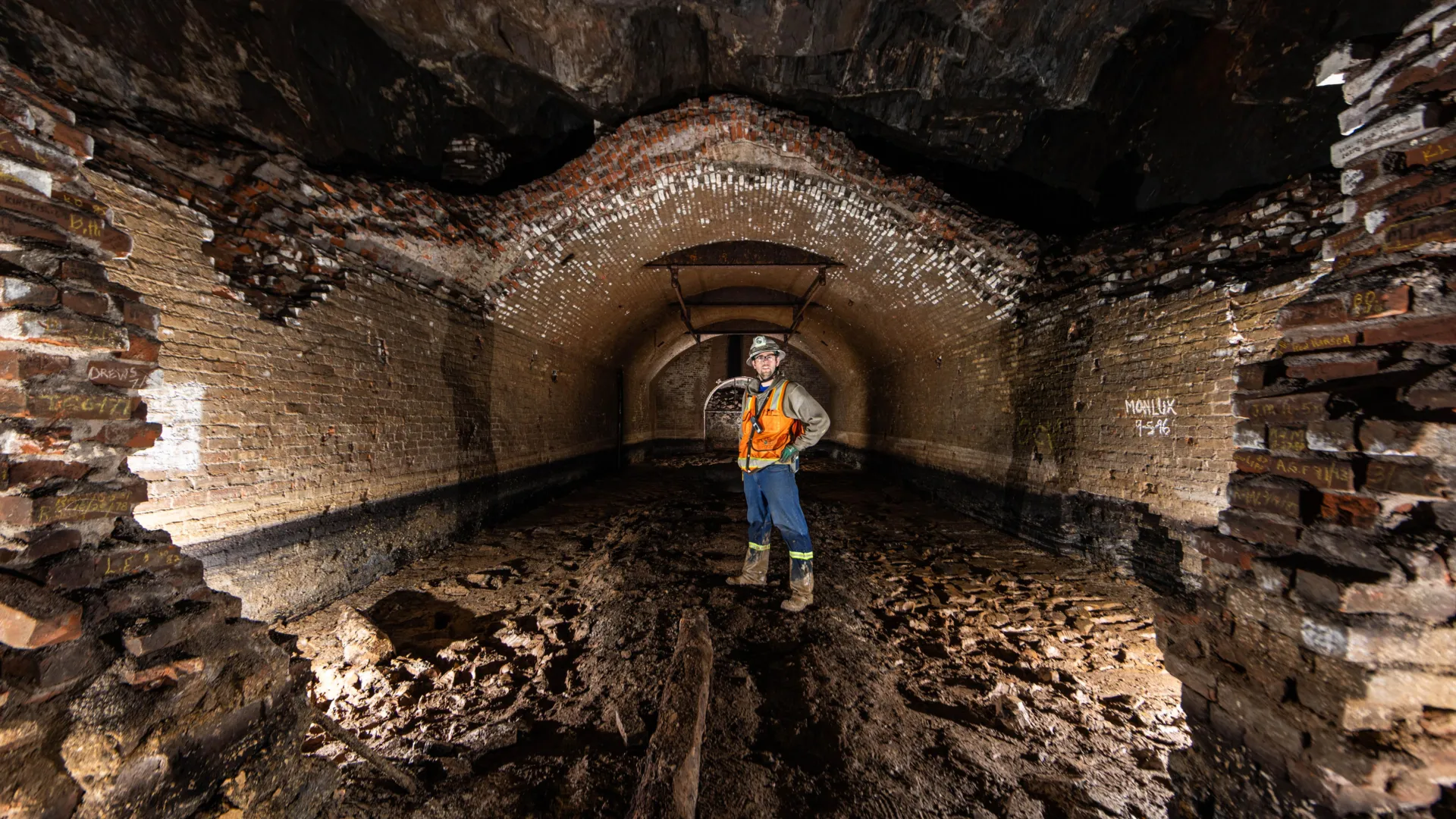
Operating deep underground presents unique challenges, especially when it comes to airflow management. The Sanford Underground Research Facility (SURF) in South Dakota exemplifies these challenges. Engineers oversee a complex system that ensures safe and reliable ventilation for workers. A striking problem arose recently: during heavy rainfall, airflow direction shifted unexpectedly. This change raised concerns about worker safety and operational efficiency.
Mining engineer Jason Connot, who manages SURF’s ventilation, confronted this mystery. He noted that during intense rain, airflow at 5 Shaft, a critical exhaust route, sometimes reversed. The issue puzzled the team. They collected data, seeking answers to understand the airflow disruptions.
The breakthrough came when they installed Maestro airflow sensors. These devices provided crucial insights into airflow patterns throughout the facility. A prior test of the shaft deluge system had already hinted at a connection. During this test, sensors on the 4850 Level detected increased air movement. This first piece of data led to deeper investigations.
The Science Behind the Solution
As they probed further, engineers developed a theory: the falling water from the surface might be influencing airflow. They proposed that the descending water acted like a syringe, forcing air through the shaft. While the theory seemed plausible, it needed scientific evidence.
Connot investigated existing studies on the effects of water on air movement. He adapted known fluid dynamics equations to fit SURF’s specific circumstances. The results confirmed their hypothesis, showing a direct correlation between falling water and airflow patterns.
This discovery extends beyond SURF. It holds important implications for mining safety worldwide. For instance, engineers often use water to control fire hazards in underground environments. Understanding how this interaction affects airflow can significantly improve safety measures in critical situations.
Connot’s diligence and innovative research highlight the importance of addressing complex engineering challenges. His efforts provide valuable insights that not only enhance the operations at SURF but can transform safety practices in mining. This investigation underscores the potential of technology and data to solve real-world problems and improve our ability to work safely underground.
Expand Your Tech Knowledge
Explore the future of technology with our detailed insights on Artificial Intelligence.
Access comprehensive resources on technology by visiting Wikipedia.
TechV1
