

Essential Insights
- Waymo acquired a 5,500-acre Arizona proving ground for $220 million.
- The facility enhances Waymo’s existing test sites for autonomous vehicle development.
- Apple previously owned the site, used for their Project Titan car project.
- Waymo is expanding its fleet, aiming for tens of thousands of robotaxis.
Waymo’s Strategic Expansion
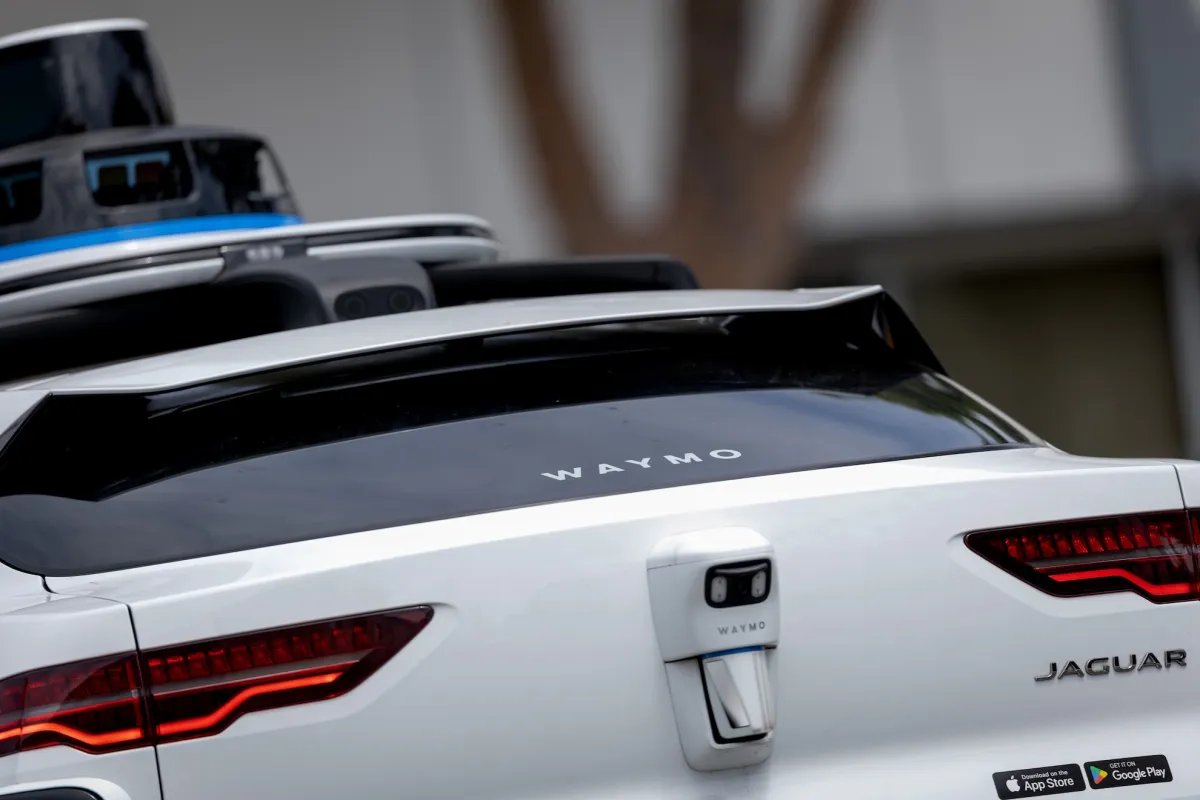
Waymo’s acquisition of a 5,500-acre self-driving car proving ground in Arizona marks a significant move in the autonomous vehicle landscape. The company purchased the facility from Route 14 Investment Partners LLC, a shell company linked to Apple, for $220 million. This acquisition strengthens Waymo’s existing testing capabilities and aligns with its ambitious goals for expansion.
The Arizona site expands Waymo’s already extensive network of closed test courses. While the company also operates the Castle Proving Ground in California and the Transportation Research Center in Ohio, those locations do not compare to the Arizona facility’s size and offerings. With a 115-acre city course, a 35-acre vehicle dynamics area, and a purpose-built freeway course, Waymo can simulate a wide range of driving scenarios. This controlled environment helps the company continuously refine its self-driving technology.
Waymo aims to enhance rider-only testing and motion control assessments while expanding its operational training workflows. The operation positions Waymo for future growth amid a competitive industry. The company currently drives a fleet of close to 4,000 vehicles and plans to scale up to tens of thousands of robotaxis each year, utilizing models like the Zeekr van and the Hyundai Ioniq 5.
The Shift in Apple’s Focus
Apple’s decision to sell the proving ground to Waymo reflects a shift in its automotive ambitions. The tech giant had invested heavily in its own self-driving car project, known as Project Titan, but ultimately shelved it in early 2024 after years of exploration and considerable financial investment. Apple had acquired the Arizona site in 2021 for $125 million and used it to test various prototypes before abandoning the project.
This sale signals a strategic redirection for Apple while strengthening Waymo’s foothold in autonomous technology. The proving ground had previously served Fiat Chrysler as a test facility, making it a valuable asset for Waymo’s development needs.
As Waymo expands into urban markets like Phoenix and beyond, the competition in the autonomous vehicle sector intensifies. Both companies approached this technology with different visions. Waymo’s growth strategy hinges on scaling its operations, while Apple refocuses its resources on its core business. This shift illustrates the unpredictable nature of the tech industry’s foray into self-driving vehicles.
In the ever-evolving landscape of autonomous technology, Waymo’s acquisition signals a commitment to innovation, while Apple recalibrates its ambitions. The implications of these moves will unfold as the race for self-driving dominance continues.
Discover More Technology Insights
Dive deeper into the world of Cryptocurrency and its impact on global finance.
Discover archived knowledge and digital history on the Internet Archive.
TechV1
