

Fast Facts
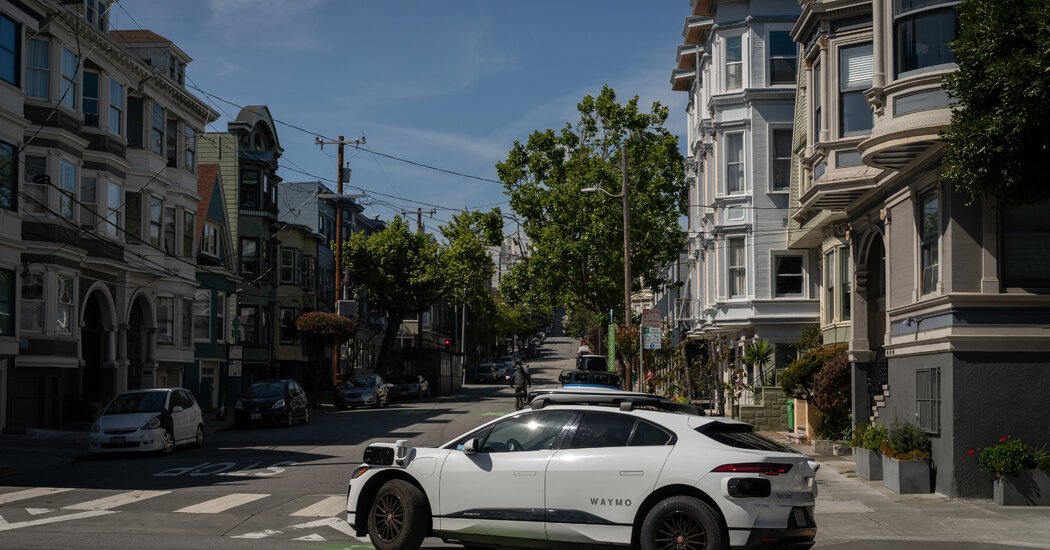
- Waymo pauses driverless taxi service in six cities amid flooding concerns.
- Software issues allowed cars to enter flooded roads; repairs are underway.
- Strong storms prompted incidents, leading to temporary service suspensions.
- Waymo emphasizes safety and plans to resume operations soon.
Safety Takes Precedence Amid Growing Concerns
Waymo’s decision to suspend autonomous taxi services in six cities reflects a growing caution in the world of driverless technology. As heavy rains flooded roads in Texas, Tennessee, and Georgia, the company faced a critical moment regarding its safety protocols. The National Highway Traffic Safety Administration highlighted concerns about Waymo’s software. Reports indicated that the software could lead cars into standing water, risking both passengers and pedestrians.
Several alarming incidents, including cars stopping on flooded streets in Atlanta, underscored these risks. Videos of these occurrences went viral, amplifying public scrutiny. Riders expressed confusion and fear. One journalist reported her Waymo vehicle “gave up” in heavy rain, prompting her to order an Uber instead. Experiences like this challenge public trust in an emerging technology designed to enhance convenience and safety.
Waymo’s response demonstrates a commitment to improvement. The pause provides an opportunity to address software flaws and enhance safety features. Chris Pappas, a company spokesman, emphasized the importance of being “good neighbors.” The temporary halt may frustrate some users, but prioritizing safety over service is a logical and necessary step.
Implications for Autonomous Technology Adoption
This incident raises broader questions about the future of autonomous vehicles. They promise innovation in transportation but also come with risks. The balance between functionality and safety is delicate. Self-driving technology has made strides. Yet, as incidents arise, regulatory bodies will likely scrutinize these advancements more closely.
Waymo argued that its technology statistically surpasses human drivers. Autonomous cars reportedly lead to fewer crashes and serious injuries. However, real-world situations often tell a different story. The recent flood-related incidents highlight critical gaps in how these vehicles handle adverse conditions.
Moreover, the company’s recent history includes various safety concerns, from illegal maneuvers to blocking emergency vehicles. Each event chips away at consumer confidence. As competition heats up in the autonomous vehicle market, companies must prioritize not just technological advancements but user trust and safety as well.
Waymo’s temporary suspensions serve as a reminder of the complexities of integrating autonomous technology into daily life. As the industry evolves, constant evaluation of safety measures is essential for sustainable growth. The intersection of innovation and responsibility will shape the future of transportation, making the need for a cautious approach more urgent than ever.
Discover More Technology Insights
Explore the future of technology with our detailed insights on Artificial Intelligence.
Discover archived knowledge and digital history on the Internet Archive.
TechV1
