

Summary Points
- Over 100,000 attended San Francisco’s fireworks, causing traffic chaos with Waymo’s cars.
- Waymo’s driverless taxis blocked intersections, stranded drivers, and had battery failures.
- Incidents highlight challenges of autonomous vehicles during unexpected, complex situations.
- Regulators and officials demand improved safety standards and better emergency response coordination.
Waymo’s Rapid Growth Meets Increasing Challenges
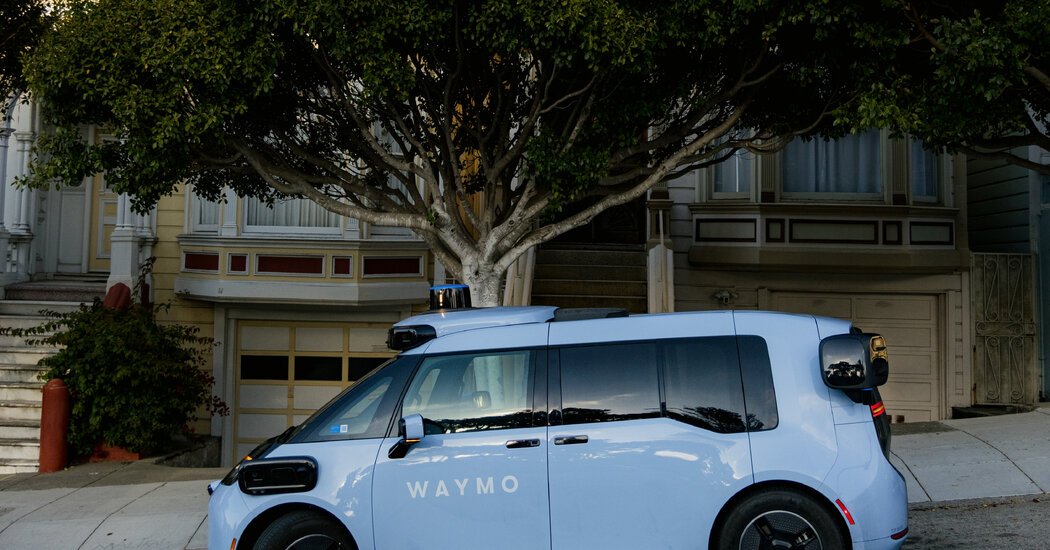
Waymo is expanding quickly. Owned by Google’s parent company, Alphabet, it now has nearly 4,000 driverless cars on the roads. In just over a year, these cars have increased more than five times. They operate in 15 metro areas, including Denver, Las Vegas, San Diego, and Tampa. Each week, passengers take about half a million trips with Waymo’s autonomous vehicles.
This rapid expansion brings more opportunities and more problems. As Waymo’s fleet grows, so do the “edge cases.” These are unpredictable situations that the cars are not trained to handle well. Examples include fireworks explosions, construction zones, or crowded events like fireworks shows. While the technology advances, edge cases seem to be piling up instead of decreasing.
Recently, Waymo issued three federal recalls since December for software issues. These include cars driving into flooded roads or getting stuck during power outages. The company admits that more cars on the road can cause more incidents. Some of these issues happen because the vehicles do not recognize their problems or request help. Experts warn that the cars often appear overconfident in unfamiliar situations, which can lead to dangerous failures.
Despite the setbacks, Waymo argues it is improving. The company’s spokeswoman says that the rate of edge cases is decreasing, and each incident helps inform better software updates. Still, regulators and city officials raise concerns. Incidents like car traffic jams during July 4 fireworks and Waymo vehicles blocking emergency routes show the challenges ahead. Officials demand clearer standards and better coordination. The American government is working on new safety rules to better govern autonomous cars.
The pace of growth tests the technology’s limits, raising questions about safety and practicality. While autonomous vehicles promise safer roads and more efficient travel, their current struggles reveal that the journey is far from over.
Continue Your Tech Journey
Explore the future of technology with our detailed insights on Artificial Intelligence.
Stay inspired by the vast knowledge available on Wikipedia.
TechV1
