

Top Highlights
- Researchers at Penn State created a paintable conductive ink for health monitoring.
- This ink adheres directly to skin, improving signal accuracy significantly.
- Tattoos can track heart, muscle, and brain activity while remaining fashionable.
- The technology could evolve to monitor other biomarkers and applications.
The Evolution of Wearable Health Technology
Wearable health trackers have made significant strides over the years. These devices became smaller and smarter but still share one common flaw: they often bore users. Many people rely on gadgets like smartwatches and ECG patches. These gadgets can peel off, irritate the skin, or lose accuracy during physical activity.
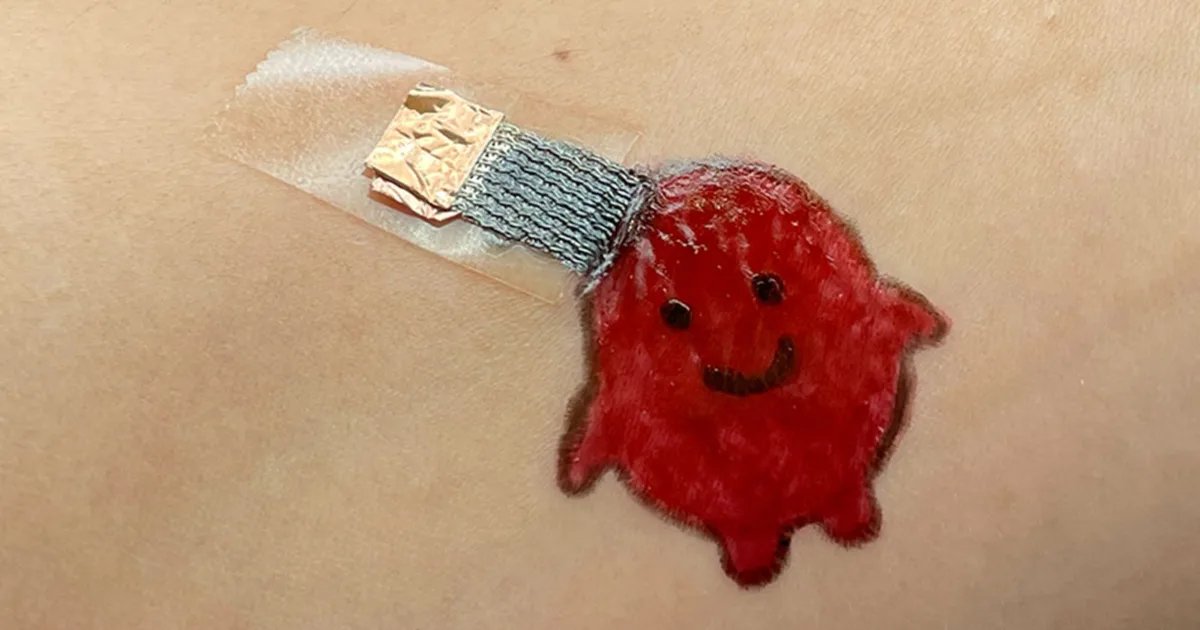
Now, researchers at Penn State offer a fresh perspective. Instead of sticking traditional sensors onto the skin, they developed a conductive ink that acts as a temporary health monitor. This innovative approach allows users to paint their health sensors directly onto their skin like body art. The colorful tattoos monitor heart, muscle, and brain activity with notable precision. This novel approach not only does away with bulky hardware but also transforms medical monitoring into a more engaging experience.
A New Era of Personal Health Monitoring
The conductive ink dries quickly and conforms seamlessly to the skin’s contours. This direct application eliminates air gaps that often compromise readings. With this new technology, users can achieve reliable recordings of ECG, EEG, and EMG signals. One remarkable demonstration even showcased a user controlling a robotic prosthetic hand through muscle signals from their forearm.
These tattoos are not just medically functional; they have an aesthetic appeal as well. Users can mix the ink with food coloring, designing anything from cartoon characters to personal symbols. This approach democratizes medical technology, making it less clinical and intimidating, especially for children.
The painted electrodes stay attached during exercise, providing consistent data over extended periods. Their durable design allows them to stretch significantly, accommodating movement and moisture without irritation. Once finished, users can easily wash the tattoos off with water.
This technology holds enormous potential. Future iterations may enable continuous monitoring of various health biomarkers, such as glucose or cortisol. Beyond healthcare, applications in agriculture could revolutionize how we monitor plant health, turning ordinary flora into “smart plants” capable of self-reporting.
Penn State’s innovative approach paints a bright future for health monitoring. Each brushstroke could reshape our understanding of personal health, making it more accessible and engaging than ever before.
Discover More Technology Insights
Dive deeper into the world of Cryptocurrency and its impact on global finance.
Access comprehensive resources on technology by visiting Wikipedia.
TechV1
