

Essential Insights
-
Severe Winter Conditions: The Indo-Gangetic Plain experienced dense fog and cold temperatures in early January 2026, affecting Pakistan, northern India, and Bangladesh.
-
Meteorological Patterns: Radiation fog formed under cool conditions with abundant moisture, while cloud streets developed from cold air over the warmer Bay of Bengal.
-
Transportation Disruptions: Dense fog led to significant disruptions at Dhaka International Airport and caused travel delays across northern, central, and eastern India.
-
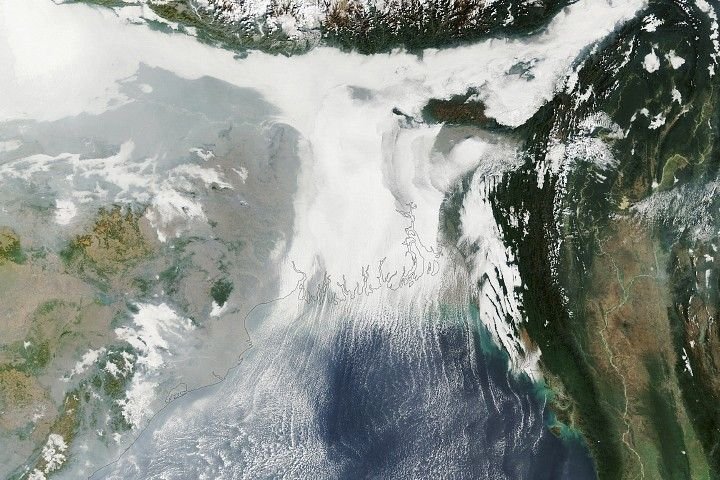
Visual Documentation: NASA’s Terra satellite captured the foggy conditions, highlighting the atmospheric phenomena affecting daily life in the region.
Ganges Delta Under a Winter Shroud of Fog
In early January 2026, winter weather wrapped the Indo-Gangetic Plain in a blanket of dense fog. This phenomenon extended from Pakistan through northern India and into Bangladesh. Meteorological conditions aligned perfectly, bringing cold temperatures and high moisture levels.
On January 6, NASA’s MODIS sensor captured striking imagery of the region. The fog, identified as radiation fog, forms when ground temperatures drop, light winds prevail, and moisture saturates the air. Additionally, meteorological departments issued warnings for moderate to very dense fog across the vast delta.
The satellite images revealed other cloud formations, known as cloud streets. These elongated, parallel bands of clouds occur when cold air flows over the warmer waters of the Bay of Bengal. The interaction generates thermals that rise and create a temperature inversion, resulting in distinct cloud patterns and clear skies in between.
While this weather phenomenon might seem picturesque, it also brings practical challenges. Dense fog disrupted operations at Dhaka’s international airport, leading to significant travel delays. Reports indicated that similar disruptions affected roads and railways in various regions of India.
Despite these challenges, foggy conditions serve a purpose in climate study and aviation technology. Researchers observe these patterns to improve predictive models, benefiting both transportation safety and environmental monitoring. As scientific advancements continue, understanding weather phenomena like fog promises to enhance quality of life and travel efficiency in the region.
Stay Ahead with the Latest Tech Trends
Explore the future of technology with our detailed insights on Artificial Intelligence.
Access comprehensive resources on technology by visiting Wikipedia.
SciV1
