

Summary Points
-
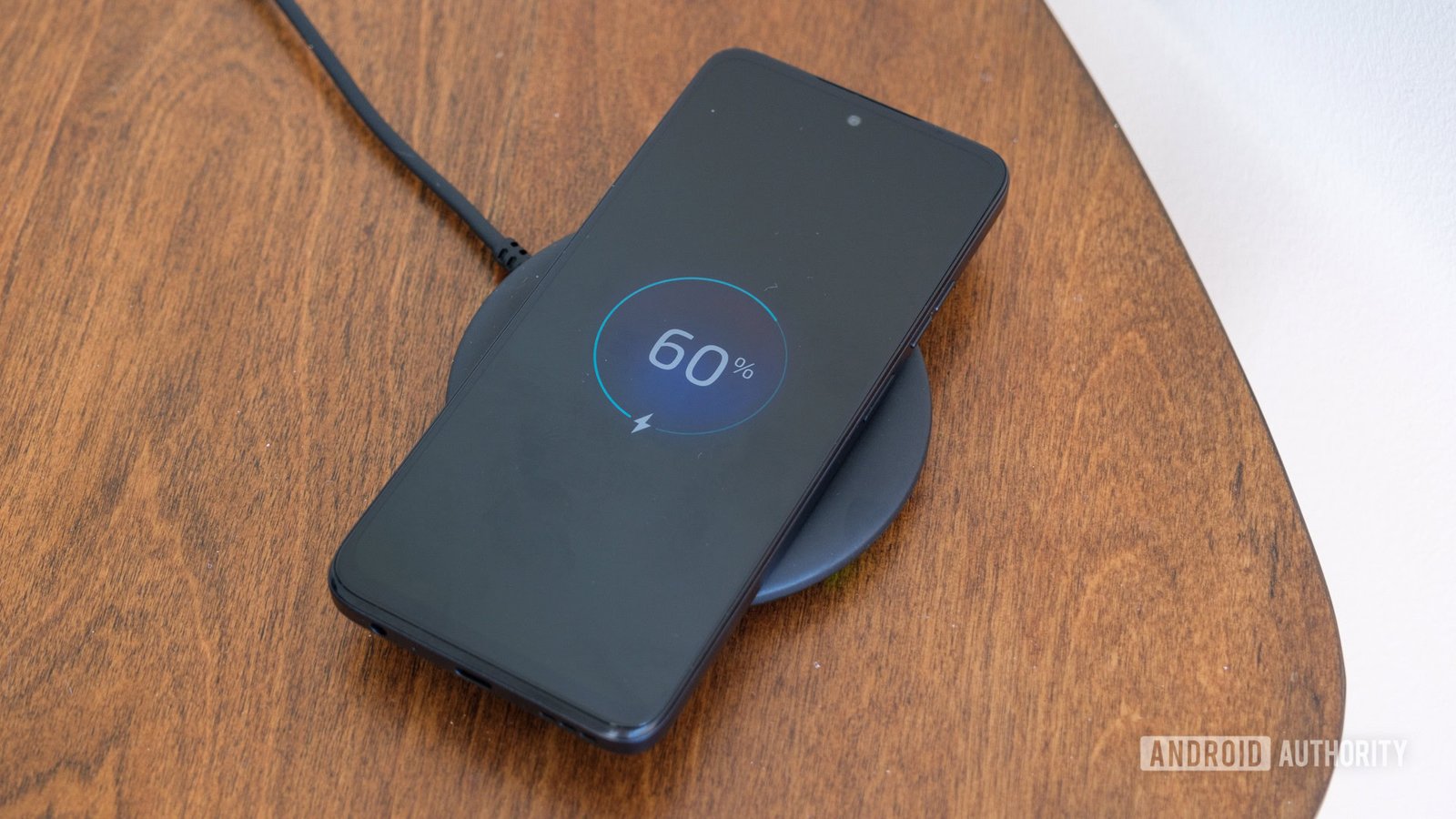
Wireless Charging as a Backup: Initially deemed unnecessary, the author’s experience with a moisture warning highlighted the importance of wireless charging as a backup solution, proving essential when the phone’s charging port became unreliable.
-
Slow Charging Speeds: The author expresses frustration with wireless charging speeds, citing a maximum of 15W, which feels drastically slower compared to the 100W wired charging they are accustomed to.
-
Cost and Compatibility Concerns: Proprietary charging standards and the high cost of compatible docks deter the author from investing in wireless charging, especially given the lack of inclusivity in charging accessories with premium phones.
-
Cautious Acceptance: While acknowledging the benefits of having wireless charging, the author plans to use it strictly as a backup due to concerns about efficiency, heat generation, and overall compatibility with future devices.
Why Wireless Charging is the Best Backup for a Broken Charging Port
Wireless charging offers a reliable alternative when a phone’s charging port fails. Imagine a scenario where moisture compromises your device. Suddenly, your traditional charging method is out of the question. That’s where wireless charging becomes invaluable.
Many users overlook wireless charging. They focus on speed and compatibility, often considering it a lesser option. However, when faced with an emergency, owners quickly appreciate its benefits. Even if charging speeds lag behind wired options, the convenience can be a lifesaver.
For instance, some phones now support faster wireless charging, like 50W. Yet, many still struggle with cost and compatibility issues. This concern grows as brands adopt proprietary standards. Still, having a wireless charger as a backup remains wise.
Moreover, wireless charging reduces wear on charging ports, extending the device’s lifespan. Phones frequently plugged in might suffer from port damage over time. Users can avoid this risk by keeping a wireless charger handy.
In urban settings, where technology plays a vital role, having multiple charging options enhances daily convenience. Smart cities thrive on innovation, and integrating wireless charging into urban infrastructure could lead to more resilient communities.
Overall, while some people may not prioritize wireless charging, it offers peace of mind. In moments of need, a wireless charger can keep a device powered up. Having this option prevents interruptions and alleviates stress when you need to stay connected. Therefore, those not yet embracing wireless technology should reconsider its value as an important backup solution.
Expand Your Tech Knowledge
Learn how the Internet of Things (IoT) is transforming everyday life.
Access comprehensive resources on technology by visiting Wikipedia.
GadgetsV1
