

Top Highlights
-
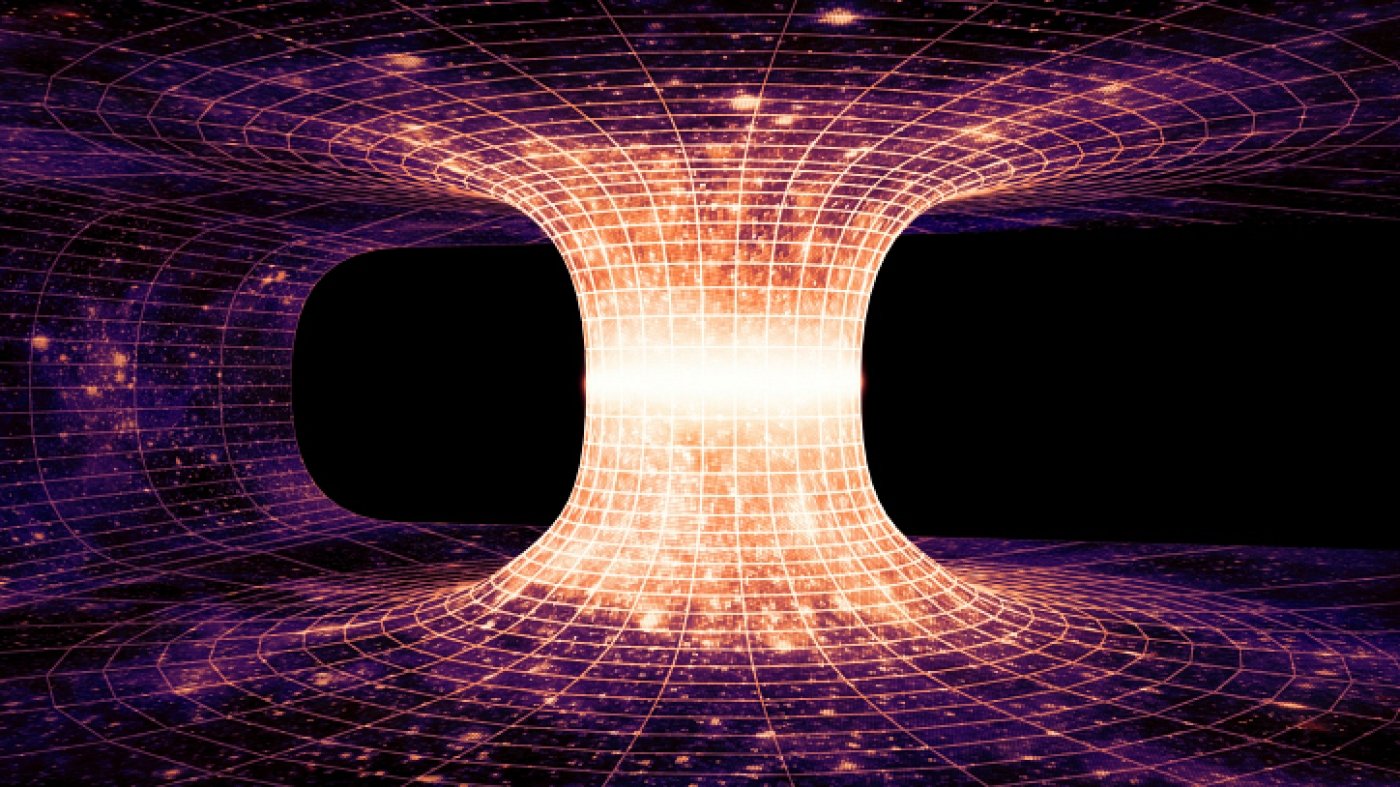
Wormholes Defined: In Stranger Things, characters explain wormholes as hypothetical tunnels connecting distant points in space-time, rooted in Einstein’s General Theory of Relativity.
-
Cultural Impact: The concept of wormholes has pervaded pop culture, from Carl Sagan’s Contact to Interstellar, serving as a popular device for storytelling and inspiring scientific interest.
-
Scientific Limitations: Although wormholes provide a fascinating model for theoretical physics, current understanding suggests they require exotic matter to exist, making practical traversal impossible.
-
Educational Tool: Shows like Stranger Things engage students and spark interest in scientific concepts, opening dialogues about complex topics like antimatter and the nature of the universe.
What Stranger Things Gets Right About Wormholes
The fifth season of Stranger Things brings the concept of wormholes into the spotlight. In a recent classroom scene, science teacher Scott Clarke engages his students about their fascinating possibilities. His enthusiastic students discuss how wormholes could allow matter to travel between galaxies or dimensions without crossing the space in between.
This scientific concept traces back to Albert Einstein. Einstein’s General Theory of Relativity suggests that the universe consists of a single fabric where space and time are interwoven. In 1935, he and colleague Nathan Rosen proposed a theoretical solution known as an Einstein-Rosen bridge. This idea later became what we now call a wormhole, acting as a potential cosmic shortcut.
However, scientists caution that wormholes remain theoretical. Physicists like Sean Carroll emphasize that while these structures spark curiosity, practical obstacles hinder their existence. They currently serve more as a playful tool for scientific exploration, allowing researchers to study phenomena like quantum entanglement.
Pop culture has embraced wormholes, notably through Hollywood films and books. The term itself gained popularity in 1957 and became widely recognized thanks to authors like Carl Sagan. This relationship between science and entertainment enriches both fields. Carroll notes that many filmmakers seek scientific input, aiming for authenticity in their storytelling.
In recent years, researchers have even suggested new ideas around wormholes. For instance, a 2022 paper claimed to have created a holographic version using quantum computing technology. While this study generated excitement, scientists quickly clarified that it did not prove the existence of actual wormholes.
The enthusiasm for Stranger Things has even reached classrooms. Professor Carsten Welsch from the University of Liverpool leverages the series to engage his students in scientific discussions. He finds that using familiar pop culture references fosters interest in topics that might otherwise seem daunting.
One intriguing aspect is the portrayal of the “Upside Down,” which serves as a metaphor for antimatter research. Welsch describes how this concept addresses fundamental questions about our understanding of the universe. By introducing such scientific ideas, Stranger Things encourages youthful curiosity and lays groundwork for future advancements.
As the series unfolds, characters like Dustin—who identifies a real wormhole—illustrate the potential role of inquisitive minds in problem-solving. While wormholes remain speculative, they inspire interest and imagination, potentially guiding the next generation of scientific innovators. The impact of such narratives extends beyond entertainment, merging science with technology development in meaningful ways.
Stay Ahead with the Latest Tech Trends
Dive deeper into the world of Cryptocurrency and its impact on global finance.
Discover archived knowledge and digital history on the Internet Archive.
SciV1
