

Fast Facts
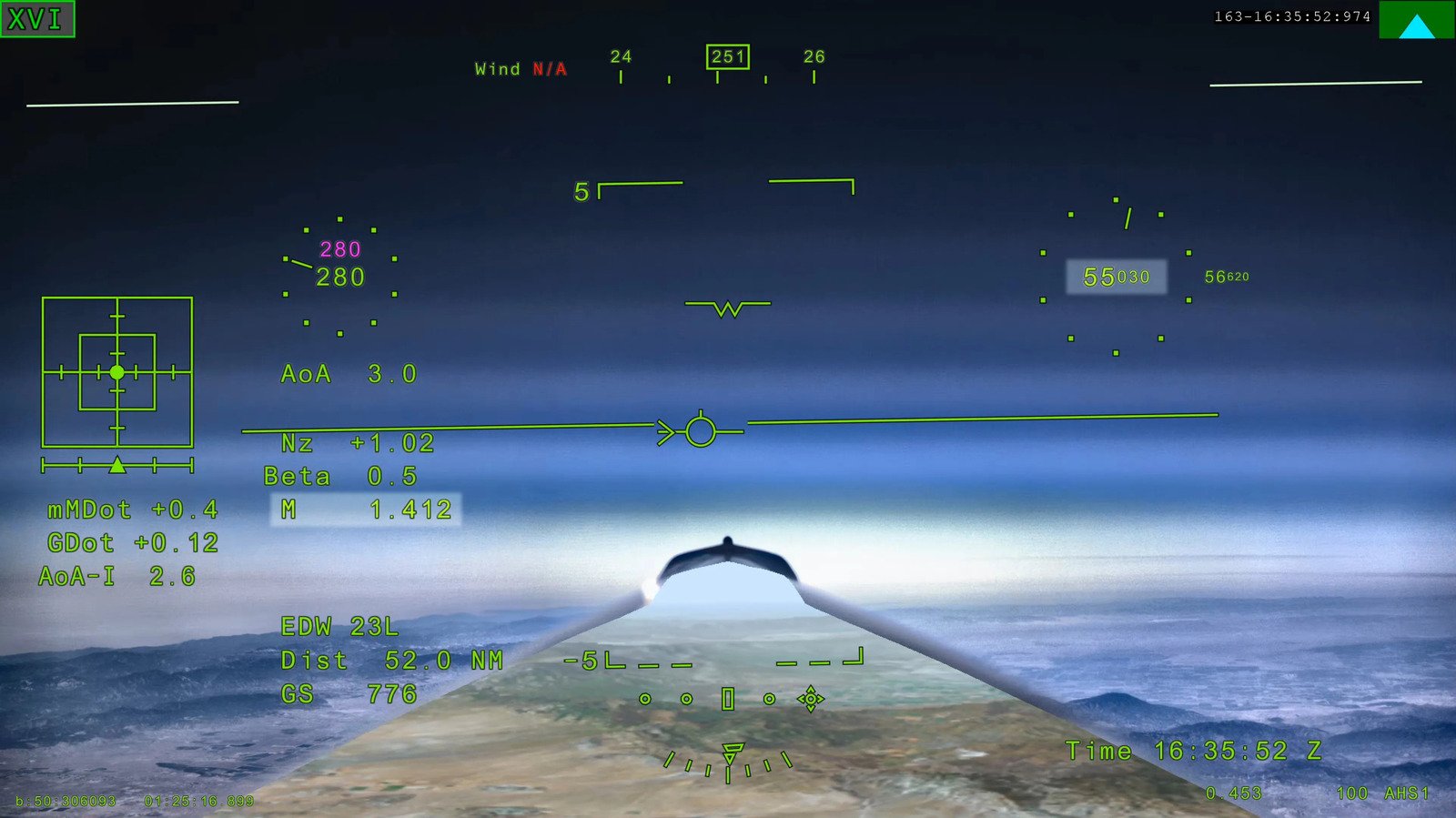
- NASA’s X-59 has successfully demonstrated its ability to reach the necessary speed (Mach 1.4) and altitude (55,000 feet) for future overland supersonic flights.
- The aircraft is designed to produce a “quiet sonic thump” instead of a loud sonic boom, aiming to minimize noise pollution during overflights.
- The upcoming Quesst mission will involve flying over populated areas to gather public feedback on the sound, following validation tests to confirm its sonic signature.
- The tests mark critical steps toward enabling commercial supersonic travel over US communities without disruptive noise.
Milestones in Supersonic Travel: The X-59’s Recent Achievements
NASA’s X-59 aircraft has hit exciting new milestones in its quest to revolutionize air travel. Just earlier this month, the plane achieved its first supersonic flight, marking a major step forward. Recently, it demonstrated the ability to reach speeds of Mach 1.4, or about 924 miles per hour, and fly at high altitudes of 55,000 feet. These targets are critical because they simulate conditions for future flights over U.S. communities. Achieving such speeds and altitudes confirms that the X-59 is progressing steadily toward its goal of quiet, high-speed travel. This progress means safer and more efficient transcontinental journeys may soon become a reality.
Furthermore, the recent test flights proved the aircraft can sustain these speeds, which is crucial for upcoming tests and commercial use. In earlier flights, the X-59 reached Mach 1.1, showing consistent improvement. NASA considers the latest test an “even more critical step” because the aircraft hit specific targets aligned with its Quesst mission. That mission plans to test the plane’s sonic signature around people. Overall, these accomplishments shine a positive light on the aircraft’s development, bringing quieter supersonic travel closer to everyday life.
Quiet Supersonic Flight: A Game Changer for Communities
One of the most exciting features of the X-59 is its ability to fly faster than sound without creating the loud sonic booms we usually hear. Instead, NASA says it will produce only a “quiet sonic thump.” This innovation could change everything about how and where we can fly supersonically. Traditionally, sonic booms have disturbed people and wildlife, leading to restrictions on supersonic flights over land. But with the X-59’s new design, flying over populated areas might become possible without noise concerns.
Before commercial flights begin, NASA needs to validate the aircraft’s sound level thoroughly. During the next phase, called acoustic validation, scientists will measure the plane’s noise to ensure it stays within acceptable limits. This step will confirm that the aircraft truly produces only a gentle “thump” instead of a loud boom. If successful, this technology could open new routes and reduce travel times significantly. Passengers could get from coast to coast faster — and with less noise pollution on the ground.
This breakthrough offers potential benefits beyond convenience. For communities near airports or flight paths, quieter supersonic flights mean fewer disturbances, leading to better quality of life. As such, the X-59 could help reshape both the industry and public perception of supersonic travel. It’s a promising step toward making high-speed flight safer and more accepted by the public.
What’s Next for the X-59 and Supersonic Aviation
NASA’s current focus is on preparing the X-59 for the upcoming Quesst mission. During this phase, the aircraft will fly over U.S. communities, collecting feedback on the sound it produces. These tests aim to prove that the plane’s sonic thump is not disruptive, paving the way for future regulations on supersonic flight over land. The success of this mission will be a turning point for commercial aviation.
However, several steps remain before regular supersonic flights become common. NASA needs to complete acoustic validation and gather extensive data from public tests. Additionally, the aircraft must demonstrate consistent safety and reliability for everyday use. Despite these challenges, progress has been encouraging. The recent milestones show continuous advancement toward quieter, faster, and more efficient air travel.
As technology evolves, the hope is that soon, travelers can fly across the country or even the world at higher speeds without sacrificing comfort or concerns about noise. The X-59 exemplifies how innovation can lead to smarter, more sustainable transportation solutions. With each test and milestone, the future of high-speed travel looks brighter and more in reach than ever before.
Stay Ahead with the Latest Tech Trends
Explore the future of technology with our detailed insights on Artificial Intelligence.
Discover archived knowledge and digital history on the Internet Archive.
CellphonesV1
