

Quick Takeaways
-
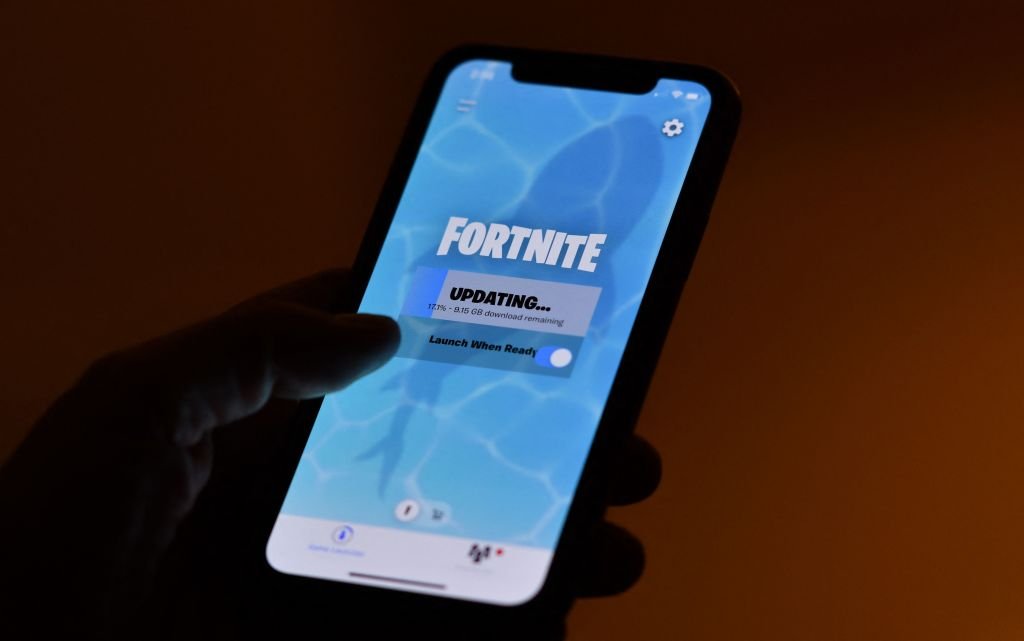
Court Pressure on Apple: A federal judge ordered Apple to either approve Fortnite’s U.S. App Store submission or return to court to explain its refusal, emphasizing the company’s obligation to comply with the court’s prior rulings.
-
Potential Contempt Threat: Judge Yvonne Gonzalez Rogers hinted at possible contempt charges against Apple for failing to comply, following previous criticisms of the tech giant for allegedly circumventing court orders.
-
Ongoing Legal Battle: The situation stems from a lengthy legal dispute regarding Apple’s App Store policies, particularly its commissions on external payment options and the inclusion of external payment links in apps, which Apple has been resistant to implement fully.
- Future Implications: The outcome may influence global regulatory actions against Apple, despite the company previously winning an antitrust lawsuit, as Epic Games successfully argued for developers’ rights to offer alternative payment methods.
Judge’s Demand: A Call for Clarity
A federal judge recently challenged Apple to either approve Fortnite on the U.S. App Store or explain its legal reasoning for not doing so. This demand stems from Epic Games’ motion, pushing for compliance with court orders. The judge expressed clear annoyance at Apple. She explicitly requested that Apple identify the official responsible for ensuring adherence to the court’s decision. By doing this, she hinted at potential contempt charges for non-compliance.
This tense backdrop emphasizes a key issue: Apple has faced scrutiny for allegedly ignoring legal directives. Previously, the judge critiqued the company for trying to bypass court orders while claiming transparency. Although the legal proceedings regarding Apple’s appeal are still underway, the judge reminded Apple of its capacity to resolve the situation swiftly.
The Bigger Picture: Implications for the Tech Landscape
The outcome of this legal situation could have far-reaching ramifications. Apple’s initial victory in the antitrust lawsuit painted it as a non-monopolistic entity. However, the court’s ruling allowing developers like Epic Games to use alternative payment options suggests a shift in the app ecosystem. Many apps, including Spotify and Amazon Kindle, have embraced these changes, potentially altering how developers interact with platform holders like Apple.
As Epic Games pushes for action, other developers may take note and explore similar legal routes. This scenario could catalyze broader scrutiny of app store practices beyond the U.S. market. The balance between innovation and corporate responsibility lies at the heart of this issue. As consumers, we benefit from competitive pricing and transparent options. Ultimately, the actions taken in this case may shape the future of app distribution and the relationship between developers and platform holders, influencing our digital experiences.
Discover More Technology Insights
Stay informed on the revolutionary breakthroughs in Quantum Computing research.
Discover archived knowledge and digital history on the Internet Archive.
TechV1
