

Summary Points
- Scientists identified two distinct biological subtypes of autism through brain connectivity patterns.
- One subtype shows higher connectivity; the other exhibits reduced connectivity.
- The study links mouse models and human brain scans for personalized treatment.
- Findings enhance understanding of autism’s variability and potential for individualized care.
Understanding the Subtypes of Autism
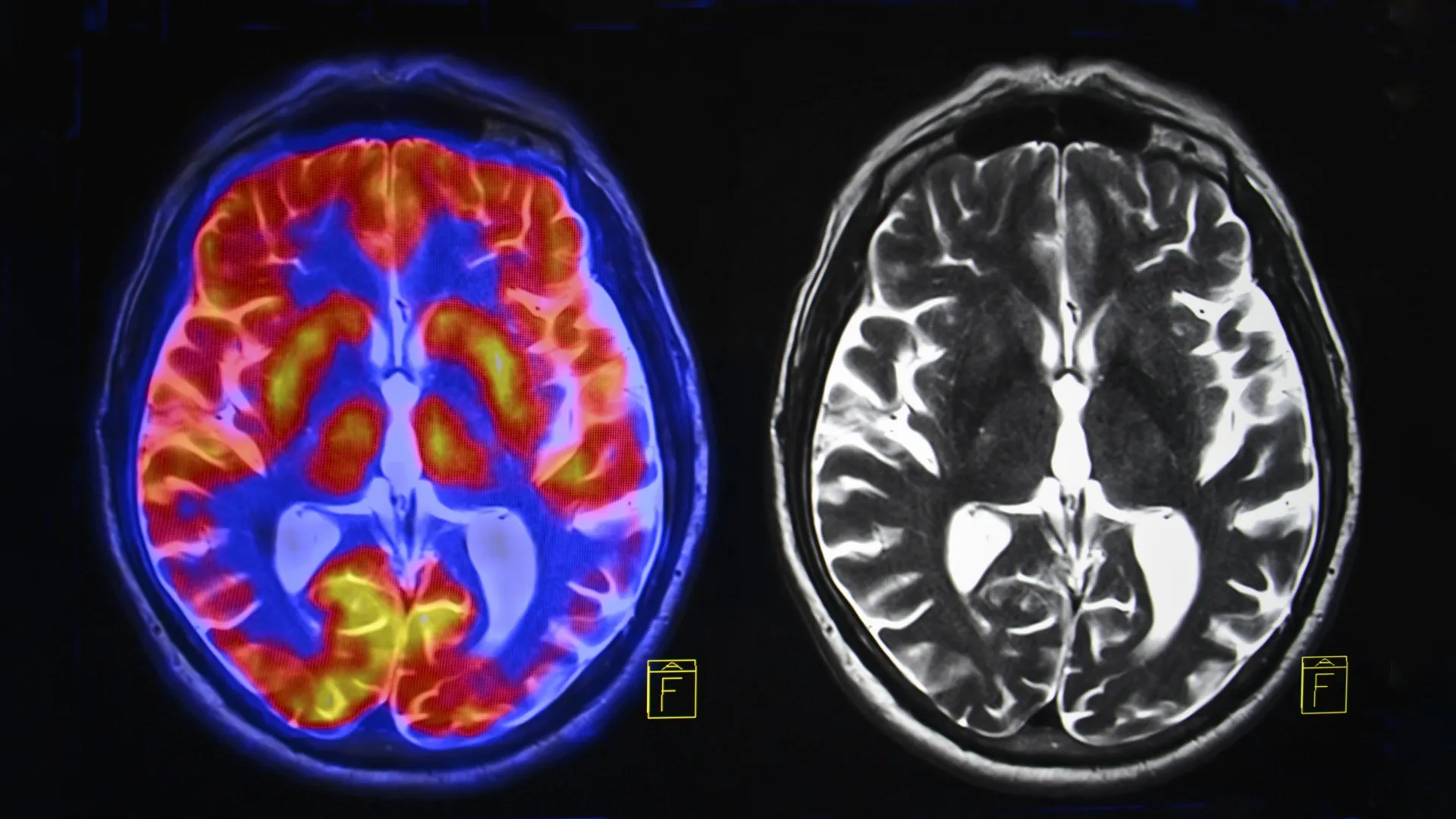
Recent research points to at least two biological subtypes of autism. This discovery, led by scientists at the Istituto Italiano di Tecnologia and the Child Mind Institute, changes how we perceive autism. Traditionally, autism has been viewed as a single entity. Variability in communication and behavior created confusion. Now, scientists have linked specific brain patterns to distinct biological pathways.
One subtype features hypoconnectivity, which indicates reduced communication among brain regions. This type correlates with pathways related to synapse function. The other subtype shows hyperconnectivity, revealing increased communication and connections to immune-related biological systems. These findings come from analyzing brain scans of 940 individuals with autism compared to over 1,000 neurotypical brains. This innovative approach, which combines human imaging with mouse model studies, highlights significant biological variations within the autism spectrum.
Implications for Personalized Care
Understanding these subtypes will inform more personalized strategies for diagnosis and treatment. Current assessments focus on behavior, which may overlook critical biological differences. The research shows that brain-based markers can reveal distinctions that behavioral assessments miss. Individuals with hyperconnected brains may exhibit more severe autism symptoms. Identifying these subtypes can guide healthcare professionals in tailoring interventions to match the unique needs of each individual.
However, researchers caution that these two subtypes might not encompass the full biological diversity of autism. As studies expand and methodologies improve, we may uncover additional subtypes. The collaboration among international research teams highlights the importance of diverse data in advancing understanding. This approach not only enhances our grasp of autism but also lays a foundation for developing effective treatment strategies grounded in biological evidence. Exploring these variations opens new avenues for personalized autism care.
Discover More Technology Insights
Explore the future of technology with our detailed insights on Artificial Intelligence.
Access comprehensive resources on technology by visiting Wikipedia.
TechV1
