
Close Menu
    Facebook X (Twitter) Instagram
    Sunday, March 8
    Top Stories:
    • Revolutionary Bacterial Kill Switch Could Transform Superbug Warfare
    • Creaseless Foldable Phones: Here Before Apple and Samsung!
    • Tesla’s Biggest Rival Unveils World’s Longest-Range EV!
    Facebook X (Twitter) Instagram Pinterest Vimeo
    IO Tribune
    • Home
    • AI
    • Tech
      • Gadgets
      • Fashion Tech
    • Crypto
    • Smart Cities
      • IOT
    • Science
      • Space
      • Quantum
    • OPED
    IO Tribune
    Home » Voyager 1’s Thruster Crisis: Remote Rescue Sparks Hope!
    Space

    Voyager 1’s Thruster Crisis: Remote Rescue Sparks Hope!

    Staff ReporterBy Staff ReporterMay 20, 2025No Comments3 Mins Read
    Share Facebook Twitter Pinterest LinkedIn Tumblr Reddit Telegram Email
    Share
    Facebook Twitter LinkedIn Pinterest Email

    Essential Insights

    1. Critical Communication Decision: NASA faced a pivotal moment to upgrade a ground-based antenna, risking permanent loss of communication with Voyager 1 during its decades-long mission since its launch in 1977.

    2. Thruster Concerns: Voyager 1’s backup thrusters, essential for antenna alignment, showed signs of failure, jeopardizing the spacecraft’s ability to maintain contact with Earth.

    3. Successful Revitalization: On March 20, engineers successfully revived Voyager 1’s primary roll thrusters after being dormant for over 20 years, ensuring continued communication capabilities.

    4. Continued Exploration: Voyager missions provide invaluable data about the outer solar system and interstellar space, with potential operational longevity extending beyond their 50th anniversary in 2027.

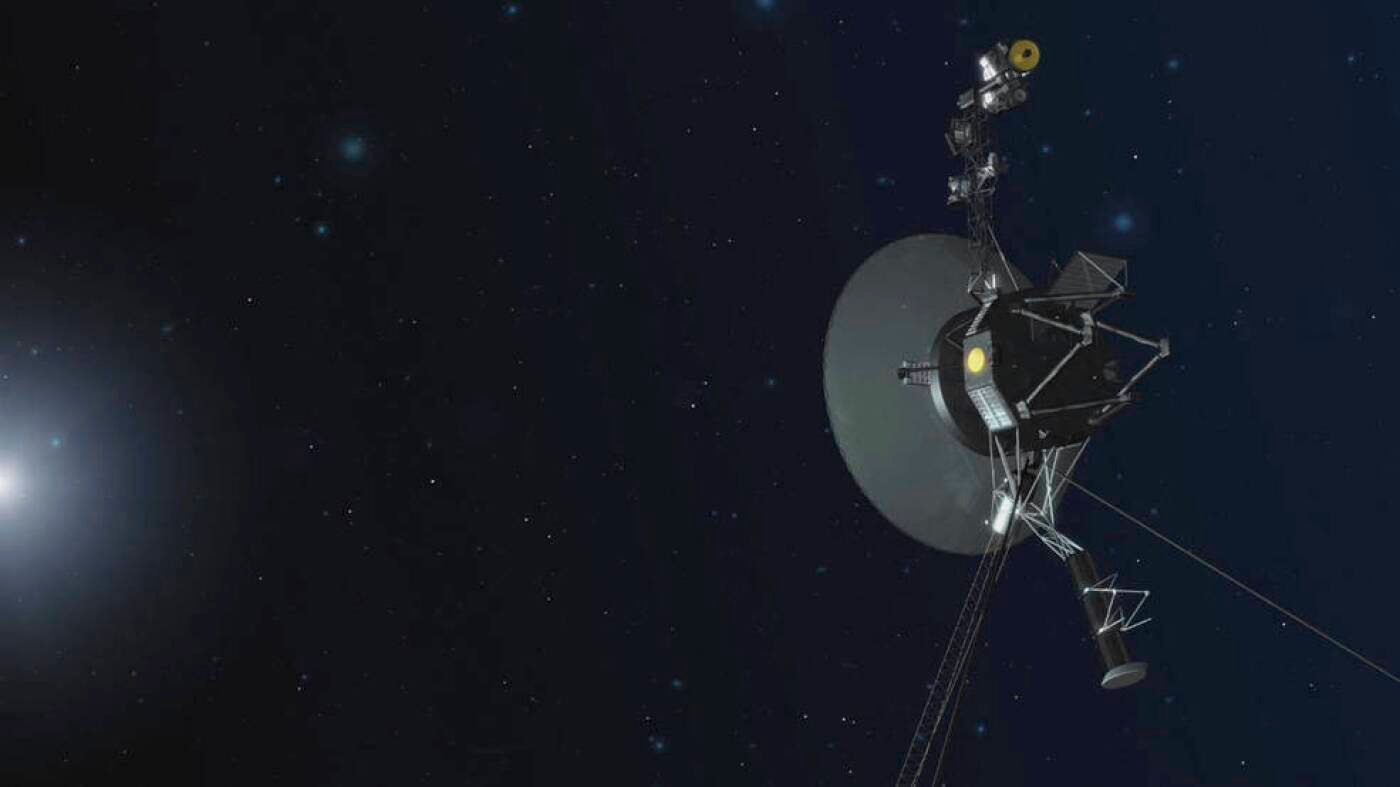
    NASA engineers recently faced a significant challenge with Voyager 1, the most distant spacecraft from Earth. Launched in 1977, Voyager 1 has been exploring the outer solar system for decades. Unfortunately, officials noted a problem with the spacecraft’s backup roll thrusters. These thrusters keep the antenna directed at Earth but showed signs of potential failure.

    Initially, the team switched to backup thrusters in 2004 when the primary system failed. However, debris accumulation in the fuel line posed a new risk, threatening the backup system’s functionality. Engineers worried that even a slight misalignment of the antenna could cut communications, given the vast distance – a mere fraction of a degree could mean losing contact altogether.

    As time ticked away, mission controllers considered turning the primary thrusters back on. They based this decision on old records and the belief that a possible electronics glitch had turned off the heaters in the system. However, they had to balance risk: trying to restart the primary thrusters could potentially lead to catastrophic failure.

    On March 20, the team successfully tested the primary roll thruster without igniting it. This news provided a much-needed boost of optimism. The engineers now know the thrusters are in good shape, which extends Voyager 1’s operational life. This is particularly important as Deep Space Station 43 in Australia, the primary communication link, was set to undergo upgrades.

    Both Voyager 1 and its twin, Voyager 2, face aging challenges. Yet, in light of these recent developments, the Voyager team remains hopeful about reaching their 50th anniversary in 2027. The rich data these spacecraft provide continues to enhance our understanding of outer space, particularly in studying solar activities and their interactions with the interstellar environment.

    The success of Voyager 1 and 2 showcases technology’s resilience. Engineers have pushed the limits of what robotic exploration can achieve. Lessons learned from these missions contribute to ongoing technological advancements. Scientists remember that these probes not only offer remarkable data but also continue to teach us about the universe, enhancing our quality of life through knowledge.

    Expand Your Tech Knowledge

    Dive deeper into the world of Cryptocurrency and its impact on global finance.

    Stay inspired by the vast knowledge available on Wikipedia.

    SciV1

    Cosmos NASA Space VT1
    Share. Facebook Twitter Pinterest LinkedIn Tumblr Email
    Previous ArticleRob Biederman Takes the All Stage 2025 Spotlight!
    Next Article Top Miami Internet Providers
    Avatar photo
    Staff Reporter
    • Website

    John Marcelli is a staff writer for IO Tribune, with a passion for exploring and writing about the ever-evolving world of technology. From emerging trends to in-depth reviews of the latest gadgets, John stays at the forefront of innovation, delivering engaging content that informs and inspires readers. When he's not writing, he enjoys experimenting with new tech tools and diving into the digital landscape.

    Related Posts

    Tech

    Revolutionary Bacterial Kill Switch Could Transform Superbug Warfare

    February 28, 2026
    Crypto

    Feds Seize $61M in Tether Tied to ‘Pig Butchering’ Crypto Scams

    February 28, 2026
    Space

    NASA’s Moonshot Misfire: A Day Into the Unknown

    February 28, 2026
    Add A Comment

    Comments are closed.

    Must Read

    Revolutionary Bacterial Kill Switch Could Transform Superbug Warfare

    February 28, 2026

    Feds Seize $61M in Tether Tied to ‘Pig Butchering’ Crypto Scams

    February 28, 2026

    NASA’s Moonshot Misfire: A Day Into the Unknown

    February 28, 2026

    Creaseless Foldable Phones: Here Before Apple and Samsung!

    February 28, 2026

    Tesla’s Biggest Rival Unveils World’s Longest-Range EV!

    February 28, 2026
    Categories
    • AI
    • Crypto
    • Fashion Tech
    • Gadgets
    • IOT
    • OPED
    • Quantum
    • Science
    • Smart Cities
    • Space
    • Tech
    • Technology
    Most Popular

    Stablecoins: The New Powerhouse in Crypto – Coinbase

    June 15, 2025

    Maximize Accessibility Reader on Apple Devices

    December 4, 2025

    12-Year Dormant Bitcoin Wallet Moves $44M in BTC

    September 29, 2025
    Our Picks

    Love: The Winning Edge According to Buffett

    October 23, 2025

    Apple’s iPhone Air: Impressively Thin and Intriguingly Unique

    September 11, 2025

    Kickstart Your Journey with Gemini 2.0 Flash & Flash-Lite!

    March 2, 2025
    Categories
    • AI
    • Crypto
    • Fashion Tech
    • Gadgets
    • IOT
    • OPED
    • Quantum
    • Science
    • Smart Cities
    • Space
    • Tech
    • Technology
    • Privacy Policy
    • Disclaimer
    • Terms and Conditions
    • About Us
    • Contact us
    Copyright © 2025 Iotribune.comAll Rights Reserved.

    Type above and press Enter to search. Press Esc to cancel.