

Fast Facts
-
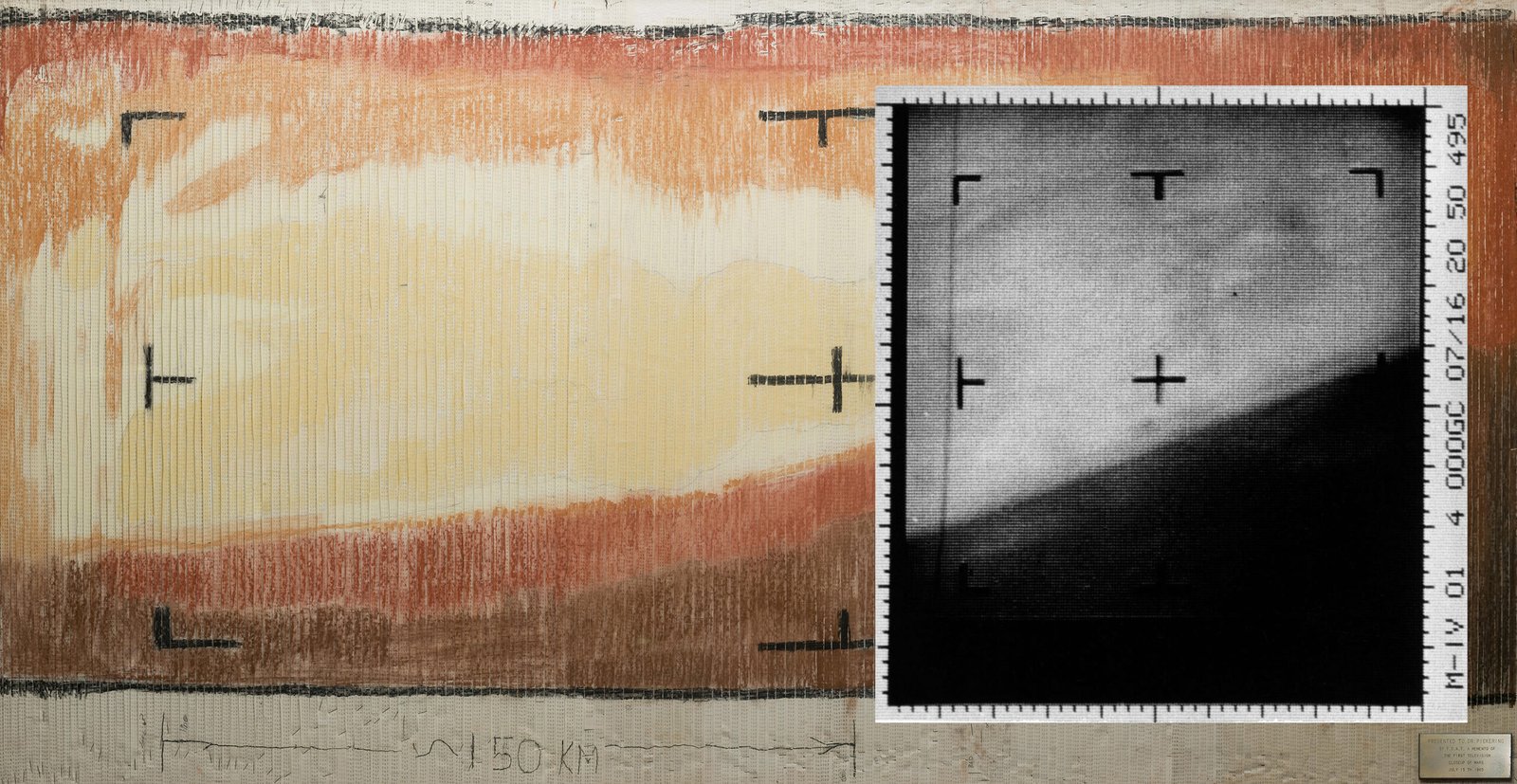
Historic Milestone: NASA’s Mariner 4 mission (1965) provided the first images of Mars, revolutionizing planetary exploration and igniting interest in Martian science for future missions.
-
Viking Success: The Viking 1 lander (1976) captured high-resolution images of Mars’s surface, marking the start of ground-level exploration and generating excitement for advanced robotic missions.
-
Advanced Imaging: The twin rovers Spirit and Opportunity (2004) utilized panoramic and microscopic cameras, allowing scientists to discover new Martian terrains and better understand its geological features.
- Next-Generation Exploration: Recent missions, including the Curiosity (2012) and Perseverance (2021) rovers, have brought cutting-edge imaging technology, enhancing clarity and detail of Mars, with Perseverance even enabling flight with the Ingenuity helicopter.
Advances in NASA Imaging Changed How World Sees Mars
NASA’s journey to unveil Mars began with Mariner 4, which first illuminated the planet’s mysteries in 1965. Back then, fuzzy black-and-white images beamed into homes across America, sparking curiosity and excitement about the Red Planet. Each successive mission brought clearer, more detailed views, changing perceptions and inspiring generations.
In 1976, the Viking 1 lander landed on Mars, delivering high-resolution images that revealed a dry, barren landscape. Although scientists hoped to find signs of life, the stark images prompted visions of future robotic explorers. Shortly thereafter, Viking’s orbiter captured the iconic Valles Marineris, presenting Mars like never before.
Fast forward to 1997, NASA’s Pathfinder mission introduced the Sojourner rover. This mission marked a technological leap, as images streamed online, captivating a new generation of space enthusiasts. The rover offered panoramic views and demonstrated how the agency could explore more efficiently and cost-effectively.
By 2004, the twin rovers Spirit and Opportunity roamed Martian terrain, further bridging the gap between Earth and Mars. Their colorful images transformed the alien landscape into familiar sights, complete with recognizable features. Scientists monitored the evolving Martian environment with unprecedented detail.
Advancements continued with the Mars Reconnaissance Orbiter, which arrived in 2006. Its High-Resolution Imaging Science Experiment (HiRISE) camera offered sharp images of dunes and craters, facilitating landmark discoveries and selecting sites for future exploration.
The leap in imaging technology reached new heights with the Curiosity rover in 2012 and Perseverance in 2021. Both rovers boasted high-resolution cameras that exceeded their predecessors’ capabilities. These advancements provided scientists with deeper insights into the planet’s geology and atmosphere.
On August 22, 2023, NASA’s Ingenuity helicopter showcased the potential for aerial exploration on Mars. By capturing stunning aerial views, it enhanced our understanding of the Martian landscape and expanded future exploration possibilities.
NASA’s imaging advancements impact not only scientific knowledge but also drive technological development. These innovations foster a spirit of discovery, enriching lives on Earth and inspiring future generations. As cameras continue to evolve, so too does humanity’s relationship with the cosmos.
Discover More Technology Insights
Dive deeper into the world of Cryptocurrency and its impact on global finance.
Discover archived knowledge and digital history on the Internet Archive.
SciV1
