
Close Menu
    Facebook X (Twitter) Instagram
    Sunday, August 2
    Top Stories:
    • Transforming Glasses into Fitness Companions: Apple’s Next Big Health Bet
    • Tim Cook warns of delayed Siri AI launch worsening memory crisis
    • Decoding Human Kinase Specificity with AI-Driven Structural Atlas
    Facebook X (Twitter) Instagram Pinterest Vimeo
    IO Tribune
    • Home
    • AI
    • Tech
      • Gadgets
      • Fashion Tech
    • Crypto
    • Smart Cities
      • IOT
    • Science
      • Space
      • Quantum
    • OPED
    IO Tribune
    Home » Lincoln Laboratory Triumphs with Seven R&D 100 Awards for 2025!
    Quantum

    Lincoln Laboratory Triumphs with Seven R&D 100 Awards for 2025!

    Staff ReporterBy Staff ReporterSeptember 10, 2025No Comments3 Mins Read
    Share Facebook Twitter Pinterest LinkedIn Tumblr Reddit Telegram Email
    Share
    Facebook Twitter LinkedIn Pinterest Email

    Top Highlights

    1. Award Recognition: Seven technologies from MIT Lincoln Laboratory received 2025 R&D 100 Awards for innovative solutions that enhance U.S. national security, industry, and society.

    2. Game-Changing Innovations: Key technologies include the TOSSIT sensor for detecting chemical threats, the WiSPR radar system for protecting armored vehicles, and advanced computing methods like the bumpless chiplet integration.

    3. Revolutionizing Communications: The MAScOT laser communications terminal and LL RF-SAM AI model significantly enhance military communication capabilities, enabling secure, high-speed data transmission and better situational awareness in contested environments.

    4. Collaborative Development: These technologies reflect extensive collaboration with government and industry partners, addressing urgent needs on the battlefield and advancing frontiers in computing and materials science.

    Lincoln Laboratory Technologies Win Seven R&D 100 Awards for 2025

    MIT Lincoln Laboratory celebrated a significant achievement as seven of its technologies won the prestigious 2025 R&D 100 Awards. This annual competition honors the most innovative technologies and products of the year, showcasing advancements that impact both industry and national security.

    “Winning an R&D 100 Award highlights the exceptional creativity and effort of our scientists and engineers,” said Melissa Choi, director of Lincoln Laboratory. The awarded technologies exemplify Lincoln Laboratory’s commitment to turning innovative ideas into real-world solutions.

    Among the winners, the Tactical Optical Spherical Sensor for Interrogating Threats (TOSSIT) stands out. This throwable sensor detects hazardous chemicals and alerts users via a mobile app. Using an internal fan and dye card, TOSSIT identifies threats like nerve agents and toxic dust. Principal investigator Richard Kingsborough noted its ability to meet urgent needs for chemical detection in critical environments.

    Another notable technology, the Wideband Selective Propagation Radar (WiSPR), enhances communication for U.S. Army armored vehicles. This advanced radar system detects threats while enabling covert communication. Program manager Christopher Serino emphasized the rapid development of WiSPR to address modern military challenges.

    The laboratory’s Bumpless Integration of Chiplets to AI-Optimized Fabric presents a breakthrough in semiconductor technology. This approach allows for faster and more efficient integration of chiplets, aligning with the growing demand for powerful data processing.

    Additionally, the Quantum Diamond Magnetic Cryomicroscope advances magnetic field imaging, crucial for superconducting electronics research. This technology promises to revolutionize high-performance computing through direct visualization of magnetic behavior.

    In the realm of communications, the Lincoln Laboratory Radio Frequency Situational Awareness Model (LL RF-SAM) leverages AI to enhance military awareness of electromagnetic signals. This tool effectively identifies signal sources, supporting mission-critical decisions.

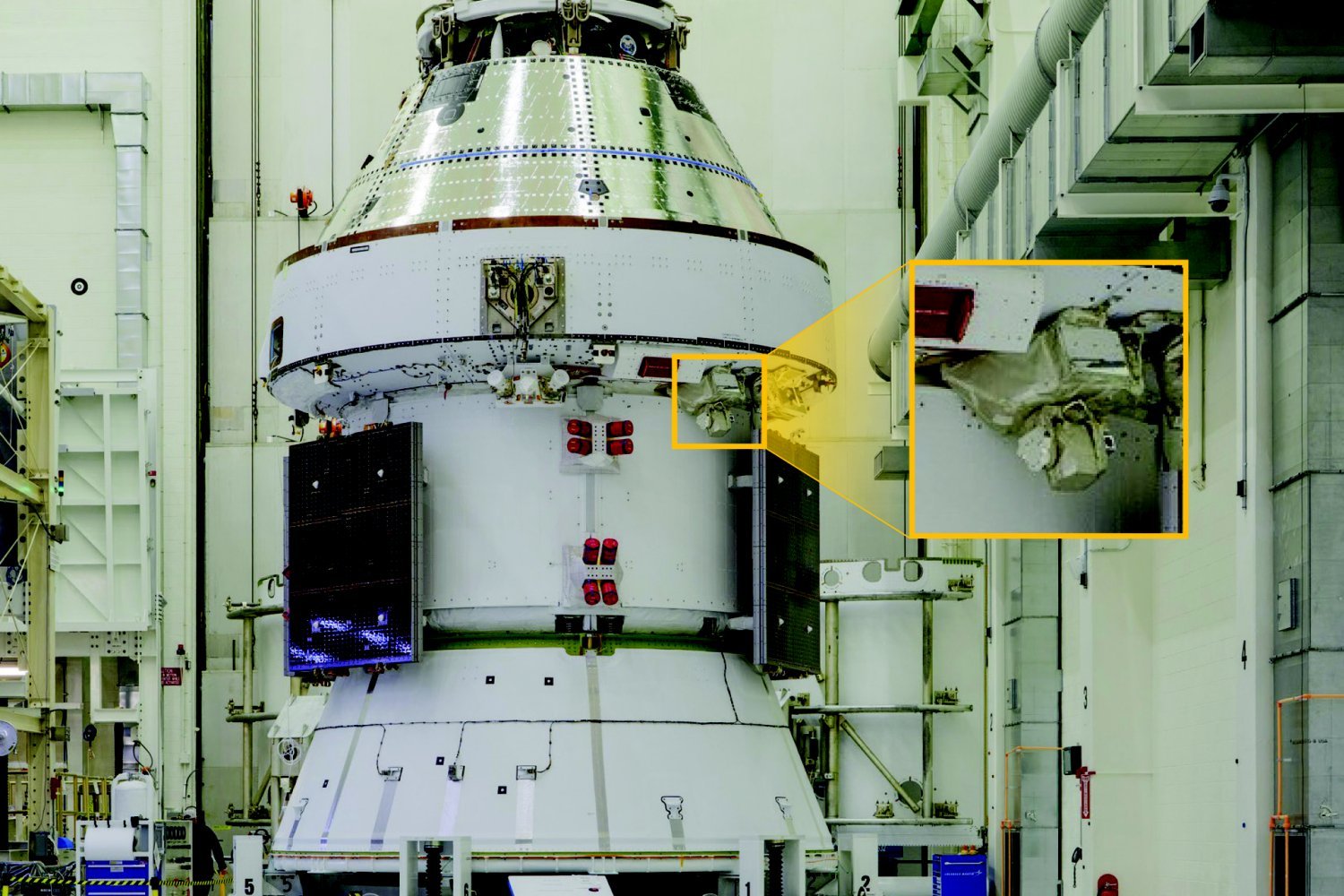
    Moreover, the Modular, Agile, Scalable Optical Terminal (MAScOT) represents a leap for space communications. Its flexible design facilitates high-speed laser communications in various scenarios, exemplifying the fusion of innovation and practicality.

    Finally, the Protected Anti-jam Tactical SATCOM Key Management System (KMS) Prototype addresses the critical need for secure military communications. It enables robust key distribution, ensuring operational security even in contested environments.

    These awards affirm Lincoln Laboratory’s role in shaping future technology developments. As these innovations move from concept to practical application, they promise to enhance capabilities for U.S. national security and industry at large.

    Stay Ahead with the Latest Tech Trends

    Dive deeper into the world of Cryptocurrency and its impact on global finance.

    Access comprehensive resources on technology by visiting Wikipedia.

    QuantumV1

    Bryan Robinson Bumpless Integration of Chiplets to Al-Optimized Fabric Christopher Serino David Conway DoD HPC Innovation Jennifer Schloss Joey Botero Joseph Sobchuk Lincoln Laboratory Radio Frequency Situational Awareness Model (LL RF-SAM) MAScOT Melissa Choi MIT Lincoln Laboratory Nancy List NASA Pauli Kehayias Protected Anti-jam Tactical SATCOM (PATS) Key Management System (KMS) Quantum Quantum Diamond Magnetic Cryomicroscope R&D 100 Awards Rabindra Das Richard Kingsborough Tactical Optical Spherical Sensor for Interrogating Threats (TOSSIT) Tina Shih VT1 Wideband Selective Propagation Radar (WiSPR)
    Share. Facebook Twitter Pinterest LinkedIn Tumblr Email
    Previous ArticleExperience Connectivity: AirPods Pro 3 with Live Translation & Heart Rate Monitoring!
    Next Article Unlock Half-Price Annual Subscriptions Today!
    Avatar photo
    Staff Reporter
    • Website

    John Marcelli is a staff writer for IO Tribune, with a passion for exploring and writing about the ever-evolving world of technology. From emerging trends to in-depth reviews of the latest gadgets, John stays at the forefront of innovation, delivering engaging content that informs and inspires readers. When he's not writing, he enjoys experimenting with new tech tools and diving into the digital landscape.

    Related Posts

    Tech

    Transforming Glasses into Fitness Companions: Apple’s Next Big Health Bet

    August 2, 2026
    AI

    Applying Coding Agents to Non-Programming Tasks

    August 2, 2026
    Science

    Scientists uncover two brain circuits driving habits

    August 2, 2026
    Add A Comment

    Comments are closed.

    Must Read

    Transforming Glasses into Fitness Companions: Apple’s Next Big Health Bet

    August 2, 2026

    Applying Coding Agents to Non-Programming Tasks

    August 2, 2026

    Scientists uncover two brain circuits driving habits

    August 2, 2026

    Revolutionizing AI: The Power of Python Ecosystem

    August 2, 2026

    Instantly Use App Bubbles on Your Samsung Phone

    August 2, 2026
    Categories
    • AI
    • Crypto
    • Fashion Tech
    • Gadgets
    • IOT
    • OPED
    • Quantum
    • Science
    • Smart Cities
    • Space
    • Tech
    Most Popular

    EA Halts Black Panther Game, Shuts Down Developing Studio

    May 29, 2025

    Netflix Stops Mobile Casting for Newer TVs

    December 1, 2025

    XRP Spot Buying Soars as Futures Open Interest Dips!

    February 27, 2026
    Our Picks

    Cartagena: Transitioning from Horse Carriages to Electric Buggies

    December 21, 2025

    Stop Wasting Retries: Fix Your ReAct Agent Now!

    April 12, 2026

    Did the iPhone 17 Just Outshine the Google Pixel 10?

    September 13, 2025
    Categories
    • AI
    • Crypto
    • Fashion Tech
    • Gadgets
    • IOT
    • OPED
    • Quantum
    • Science
    • Smart Cities
    • Space
    • Tech
    • Privacy Policy
    • Disclaimer
    • Terms and Conditions
    • About Us
    • Contact us
    Copyright © 2025 Iotribune.comAll Rights Reserved.

    Type above and press Enter to search. Press Esc to cancel.