

Fast Facts
-
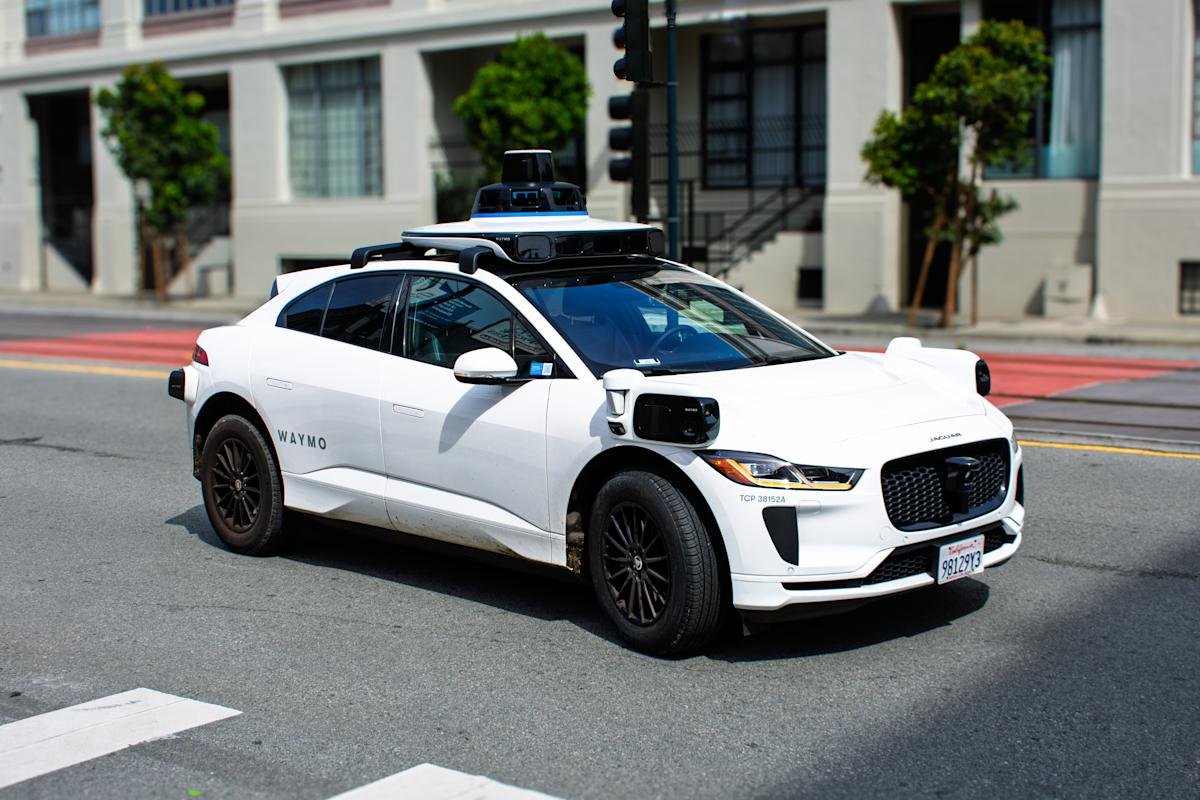
Waymo’s UK Expansion: Waymo will introduce its autonomous taxi service in London in 2026, the company’s first major venture outside the US, partnering with mobility company Moove for fleet operations.
-
Legislative Support: The launch coincides with the rollout of the Automated Vehicles Act 2024, which will regulate self-driving vehicles and support robotaxi pilots starting in Spring 2026.
-
Technology and Safety: Despite London’s challenging road conditions, Waymo claims its autonomous technology significantly reduces collision risks compared to human drivers, earning positive feedback from organizations like the RNIB.
-
Competitive Landscape: Upon its debut, Waymo will face competition from Uber and Wayve, both planning to launch their own autonomous pilot programs around the same time.
Waymo’s Pioneering Venture in London
Waymo plans to launch its fully autonomous taxi service in London next year. This initiative marks a significant expansion beyond the United States. To support this venture, Waymo has partnered with Moove, a mobility company, for fleet operations. As the government prepares to implement the Automated Vehicles Act in 2024, it will facilitate robotaxi pilot programs beginning in Spring 2026. This legislation aims to regulate the arrival of self-driving vehicles, paving the way for Waymo.
Navigating London’s intricate roads poses a unique challenge. The city’s narrow, winding streets, designed long before the automobile age, require advanced technology. Waymo is confident its systems will reduce collisions compared to human drivers. This belief highlights the potential safety benefits of autonomous vehicles. Moreover, organizations like the Royal National Institute of Blind People have expressed support for this innovation. They see self-driving taxis as crucial for expanding accessibility in transportation.
Competition and the Future of Mobility
Waymo won’t be alone in this emerging market. Competitors like Uber and Wayve also plan to launch their own services around the same time. Wayve’s CEO described the Automated Vehicles Act as a pivotal moment for autonomy in the UK. This competition indicates a growing interest in self-driving technology and its applications in urban environments.
As cities adapt to these changes, the implications extend beyond mere transportation. Wider adoption of autonomous vehicles could positively influence daily commutes and accessibility. This evolution aligns with the broader human journey toward innovation and safety. The arrival of Waymo and its competitors may reshape how we think about travel in densely populated areas. Ultimately, the success of these technologies will depend on public acceptance and regulatory support.
Stay Ahead with the Latest Tech Trends
Explore the future of technology with our detailed insights on Artificial Intelligence.
Discover archived knowledge and digital history on the Internet Archive.
TechV1
