

Summary Points
-
Discovery of Nanotubes: Researchers at Johns Hopkins Medicine found that mammalian brains create nanotubes to transport toxic molecules between neurons, akin to pneumatic tubes in factories.
-
Implications for Alzheimer’s: The study highlights that these nanotubes may play a role in Alzheimer’s disease, as they facilitate the spread of harmful proteins, such as amyloid-beta, which form sticky plaques.
-
Advanced Imaging Techniques: Using genetically modified mice and high-resolution microscopy, the team observed increased nanotube formation in Alzheimer’s-like mice, indicating a potential early response to amyloid buildup.
-
Future Treatment Pathways: The findings suggest that manipulating nanotube production could lead to new therapeutic strategies for neurodegenerative disorders, allowing targeted intervention based on disease stages.
Unveiling the Nanotube Network
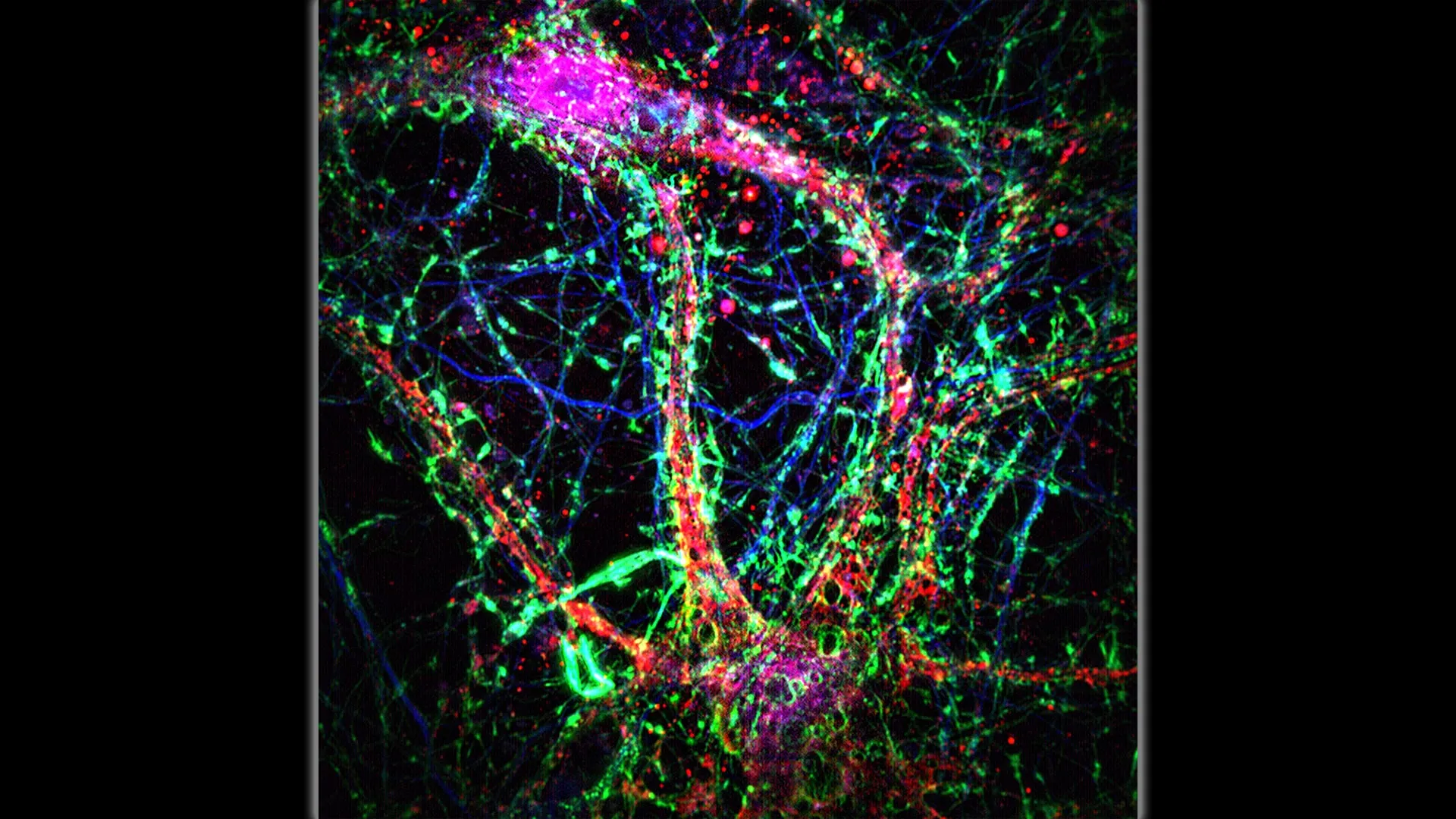
Recent research from Johns Hopkins Medicine reveals a groundbreaking insight into the mammalian brain’s intricate networks of tiny tubes, known as dendritic nanotubes. These structures facilitate the movement of toxins in and out of brain cells, operating similarly to pneumatic tubes in factories. Scientists conducted experiments using genetically modified mice and advanced imaging techniques, with support from the National Institutes of Health. Their findings, published in Science, deepen our understanding of how neurodegenerative diseases like Alzheimer’s may develop.
In their study, researchers observed that these nanotubes primarily emerged to help neurons expel toxic proteins, specifically amyloid-beta. This protein accumulates to form plaques, a hallmark of Alzheimer’s disease. Corresponding author Hyungbae Kwon explains that while the nanotubes help transport harmful substances away from neurons, they inadvertently spread these toxic proteins to other areas of the brain. This duality highlights a complex biological trade-off—cells need to remove toxins, but doing so may contribute to wider damage.
Potential Pathways for Treatment
The team’s research offers a promising pathway for combating Alzheimer’s and similar conditions. They identified a “nanotubular connectivity layer” that elevates our understanding of neuron interaction in the brain. Using high-resolution microscopy, the researchers analyzed brain tissue samples and found that mice with early Alzheimer’s showed an increased number of nanotubes even before symptoms appeared. As the disease progressed, the concentration of nanotubes in both healthy and affected mice began to level out.
Looking ahead, Kwon and his team plan to explore whether these nanotube networks exist in other cell types within the brain. The ultimate goal is to manipulate nanotube production, either boosting or reducing their formation based on a patient’s disease stage. Such an approach could revolutionize treatment options and pave the way toward innovative therapies. As we strive to understand these cellular mechanisms, we gain hope for developing effective strategies to address Alzheimer’s and enhance the quality of life for millions affected by this devastating disease.
Discover More Technology Insights
Explore the future of technology with our detailed insights on Artificial Intelligence.
Discover archived knowledge and digital history on the Internet Archive.
TechV1
