
Close Menu
    Facebook X (Twitter) Instagram
    Wednesday, July 29
    Top Stories:
    • Alibaba’s Strategic Shift: Boosting AI and Chip Innovation for Success
    • GSK Shares Surge on $2.5B Cost-Cutting Initiative Unveiled
    • Ex-Tesla Manager: Full Self-Driving Cars Are ‘Rolling Hazards’
    Facebook X (Twitter) Instagram Pinterest Vimeo
    IO Tribune
    • Home
    • AI
    • Tech
      • Gadgets
      • Fashion Tech
    • Crypto
    • Smart Cities
      • IOT
    • Science
      • Space
      • Quantum
    • OPED
    IO Tribune
    Home » Nanotubes Unveiled: A Hidden Pathway for Alzheimer’s Spread
    Tech

    Nanotubes Unveiled: A Hidden Pathway for Alzheimer’s Spread

    Lina Johnson MercilliBy Lina Johnson MercilliOctober 16, 2025No Comments3 Mins Read
    Share Facebook Twitter Pinterest LinkedIn Tumblr Reddit Telegram Email
    Share
    Facebook Twitter LinkedIn Pinterest Email

    Summary Points

    1. Discovery of Nanotubes: Researchers at Johns Hopkins Medicine found that mammalian brains create nanotubes to transport toxic molecules between neurons, akin to pneumatic tubes in factories.

    2. Implications for Alzheimer’s: The study highlights that these nanotubes may play a role in Alzheimer’s disease, as they facilitate the spread of harmful proteins, such as amyloid-beta, which form sticky plaques.

    3. Advanced Imaging Techniques: Using genetically modified mice and high-resolution microscopy, the team observed increased nanotube formation in Alzheimer’s-like mice, indicating a potential early response to amyloid buildup.

    4. Future Treatment Pathways: The findings suggest that manipulating nanotube production could lead to new therapeutic strategies for neurodegenerative disorders, allowing targeted intervention based on disease stages.

    Unveiling the Nanotube Network

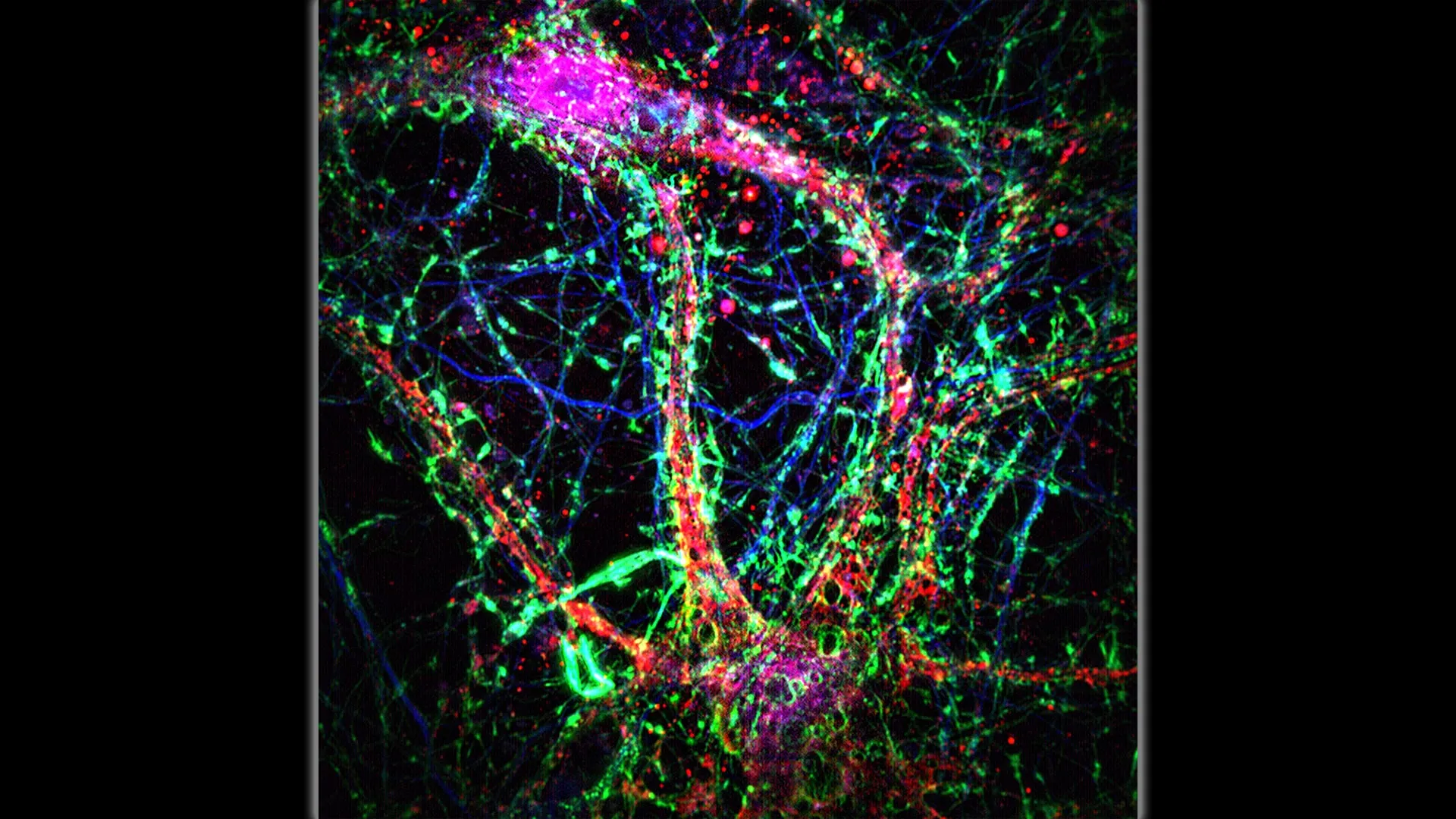
    Recent research from Johns Hopkins Medicine reveals a groundbreaking insight into the mammalian brain’s intricate networks of tiny tubes, known as dendritic nanotubes. These structures facilitate the movement of toxins in and out of brain cells, operating similarly to pneumatic tubes in factories. Scientists conducted experiments using genetically modified mice and advanced imaging techniques, with support from the National Institutes of Health. Their findings, published in Science, deepen our understanding of how neurodegenerative diseases like Alzheimer’s may develop.

    In their study, researchers observed that these nanotubes primarily emerged to help neurons expel toxic proteins, specifically amyloid-beta. This protein accumulates to form plaques, a hallmark of Alzheimer’s disease. Corresponding author Hyungbae Kwon explains that while the nanotubes help transport harmful substances away from neurons, they inadvertently spread these toxic proteins to other areas of the brain. This duality highlights a complex biological trade-off—cells need to remove toxins, but doing so may contribute to wider damage.

    Potential Pathways for Treatment

    The team’s research offers a promising pathway for combating Alzheimer’s and similar conditions. They identified a “nanotubular connectivity layer” that elevates our understanding of neuron interaction in the brain. Using high-resolution microscopy, the researchers analyzed brain tissue samples and found that mice with early Alzheimer’s showed an increased number of nanotubes even before symptoms appeared. As the disease progressed, the concentration of nanotubes in both healthy and affected mice began to level out.

    Looking ahead, Kwon and his team plan to explore whether these nanotube networks exist in other cell types within the brain. The ultimate goal is to manipulate nanotube production, either boosting or reducing their formation based on a patient’s disease stage. Such an approach could revolutionize treatment options and pave the way toward innovative therapies. As we strive to understand these cellular mechanisms, we gain hope for developing effective strategies to address Alzheimer’s and enhance the quality of life for millions affected by this devastating disease.

    Discover More Technology Insights

    Explore the future of technology with our detailed insights on Artificial Intelligence.

    Discover archived knowledge and digital history on the Internet Archive.

    TechV1

    Innovation Management Tech technology VT1
    Share. Facebook Twitter Pinterest LinkedIn Tumblr Email
    Previous ArticleYZi Labs Backs BPN with $50M Funding!
    Next Article Ball x Pit: The Addictive Grind That Keeps You Coming Back
    Avatar photo
    Lina Johnson Mercilli
    • Website

    Lina Johnson Marcelli is the editor for IO Tribune, bringing over two decades of experience in journalism to her role. With a BA in Journalism, she is passionate about delivering impactful stories that resonate with readers. Known for her keen editorial vision and leadership, Lina is dedicated to fostering innovative storytelling across the publication. Outside of work, she enjoys exploring new media trends and mentoring aspiring journalists.

    Related Posts

    AI

    Can the NYT Save Journalism from AI?

    July 28, 2026
    Tech

    Alibaba’s Strategic Shift: Boosting AI and Chip Innovation for Success

    July 28, 2026
    Science

    GSK Shares Surge on $2.5B Cost-Cutting Initiative Unveiled

    July 28, 2026
    Add A Comment

    Comments are closed.

    Must Read

    Can the NYT Save Journalism from AI?

    July 28, 2026

    Alibaba’s Strategic Shift: Boosting AI and Chip Innovation for Success

    July 28, 2026

    GSK Shares Surge on $2.5B Cost-Cutting Initiative Unveiled

    July 28, 2026

    Ex-Tesla Manager: Full Self-Driving Cars Are ‘Rolling Hazards’

    July 28, 2026

    Make a Splash: Why Swimming Headphones Stand Out!

    July 28, 2026
    Categories
    • AI
    • Crypto
    • Fashion Tech
    • Gadgets
    • IOT
    • OPED
    • Quantum
    • Science
    • Smart Cities
    • Space
    • Tech
    Most Popular

    Top Unlimited Data Plans for 2026

    January 22, 2026

    Kristen Craft Unveils Innovative Fundraising Strategy for TC All Stage

    July 3, 2025

    Ethereum Nears $2,800 with 7% Gain, But Resistance Persists

    July 10, 2025
    Our Picks

    Google Appeals Antitrust Ruling to Protect Data from Rivals

    January 16, 2026

    Why Uniswap’s $6 Billion Valuation is a Steal

    August 7, 2025

    Fanpla AG Sets Up in Zug to Fuel Global Blockchain Entertainment!

    November 27, 2025
    Categories
    • AI
    • Crypto
    • Fashion Tech
    • Gadgets
    • IOT
    • OPED
    • Quantum
    • Science
    • Smart Cities
    • Space
    • Tech
    • Privacy Policy
    • Disclaimer
    • Terms and Conditions
    • About Us
    • Contact us
    Copyright © 2025 Iotribune.comAll Rights Reserved.

    Type above and press Enter to search. Press Esc to cancel.