

Fast Facts
-
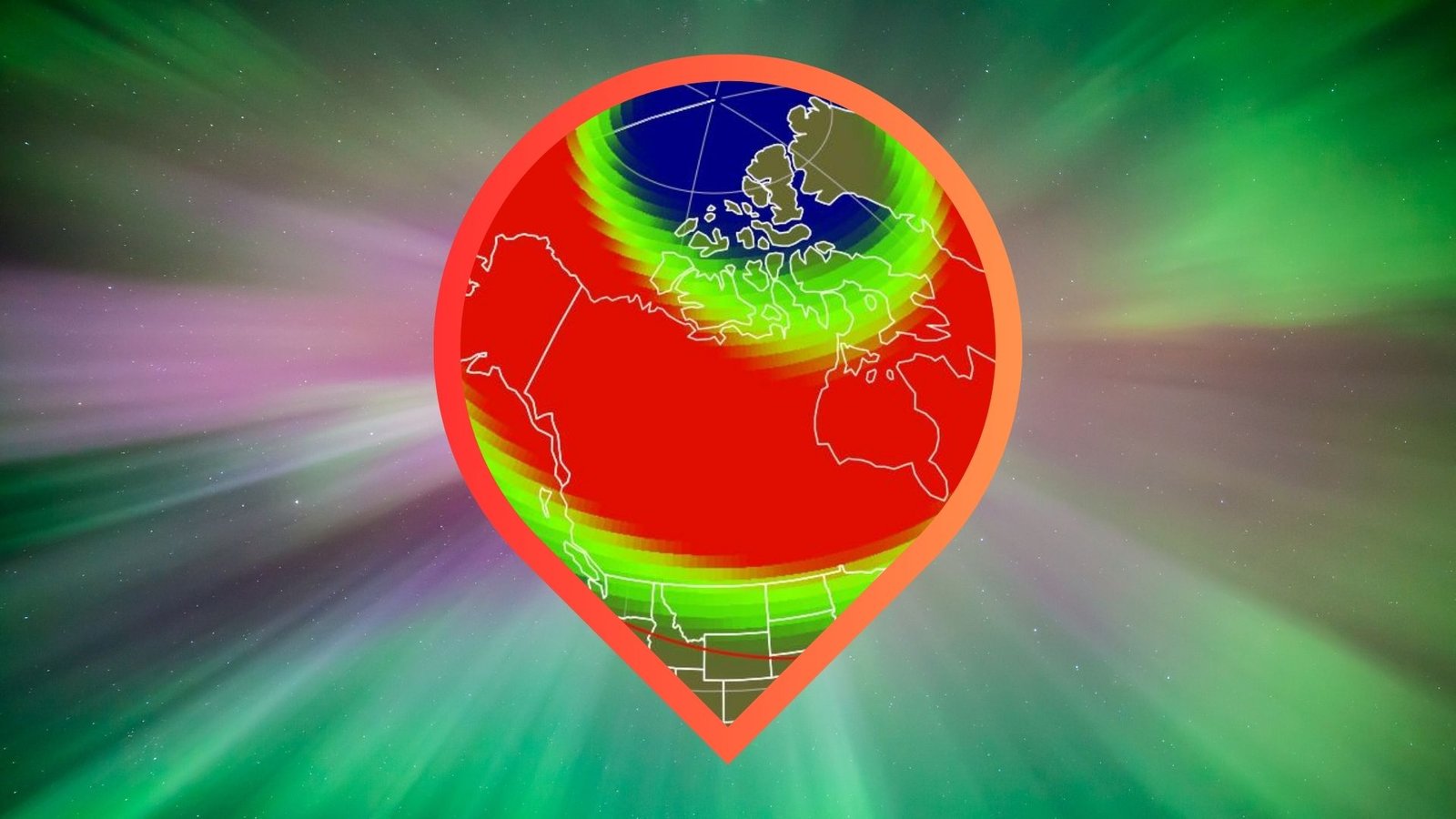
Potential Aurora Display: Strong geomagnetic storms are anticipated tonight (Nov. 12) due to a recent coronal mass ejection (CME), with possible conditions reaching severe G4 levels.
-
Widespread Visibility: Auroras may be visible across 17 U.S. states, stretching potentially further south depending on geomagnetic activity and clear skies.
-
Timing to Watch: Optimal viewing times for the northern lights are from 7 p.m. to 10 p.m. EST for G3 storms and from 10 p.m. to 4 a.m. EST for G2 storms.
-
Viewing Tips: For the best chance to see the auroras, find a dark, north-facing spot, let your eyes adjust to the darkness, and consider using a camera to detect faint lights.
Northern Lights May Dazzle Over 17 States on Nov. 12-13
Get ready, aurora enthusiasts! The northern lights could shine brightly tonight across 17 U.S. states, thanks to a recent coronal mass ejection (CME). According to the National Oceanic and Atmospheric Administration (NOAA), this event follows a powerful X5.1 solar flare. Scientists anticipate strong to severe geomagnetic storms overnight.
In fact, the U.K. Met Office has issued an extreme G5 storm watch for parts of the day. Recent auroras amazed viewers from coast to coast, extending even to Mexico. Observers shared beautiful photos capturing this celestial spectacle.
Where to Spot the Lights
Seventeen states sit above the aurora view line, where the lights may be visible. These states include:
- Alaska
- Washington
- North Dakota
- Montana
- Minnesota
- Idaho
- South Dakota
- Wisconsin
- Oregon
- Michigan
- Vermont
- New Hampshire
- Wyoming
- New York
- Iowa
- Nebraska
- Illinois
While this list provides guidance, auroras can behave unpredictably. Conditions might allow the lights to stretch further south, depending on geomagnetic activity and clear skies.
Prime Viewing Times
Expect the best chances to see the northern lights as darkness falls. NOAA suggests looking up during these key windows:
- 7 p.m. – 10 p.m. EST: Strong G3 storm potential.
- 10 p.m. – 4 a.m. EST: Moderate G2 storm possible.
How to Enhance Your Viewing Experience
For those in the predicted regions, here are tips to improve your chances of spotting the lights:
- Find a North-Facing Spot: Look for areas away from city lights, where you can see the horizon.
- Use Your Camera: Phones often capture faint auroras better than the naked eye.
- Adjust to Darkness: Allow your eyes to adapt for at least 30 minutes to enhance night vision.
- Dress Warmly: Prepare for a potentially long wait outdoors as the show unfolds.
In addition, consider downloading an aurora forecast app. Options like “My Aurora Forecast & Alerts” or “Space Weather Live” offer real-time updates.
Keep an eye on the skies tonight. Whether you’re a seasoned aurora chaser or a first-time viewer, this may be a night to remember! Feel free to share your photos and experiences to add to the excitement and community of skywatchers.
Expand Your Tech Knowledge
Learn how the Internet of Things (IoT) is transforming everyday life.
Access comprehensive resources on technology by visiting Wikipedia.
SciV1
