

Summary Points
-
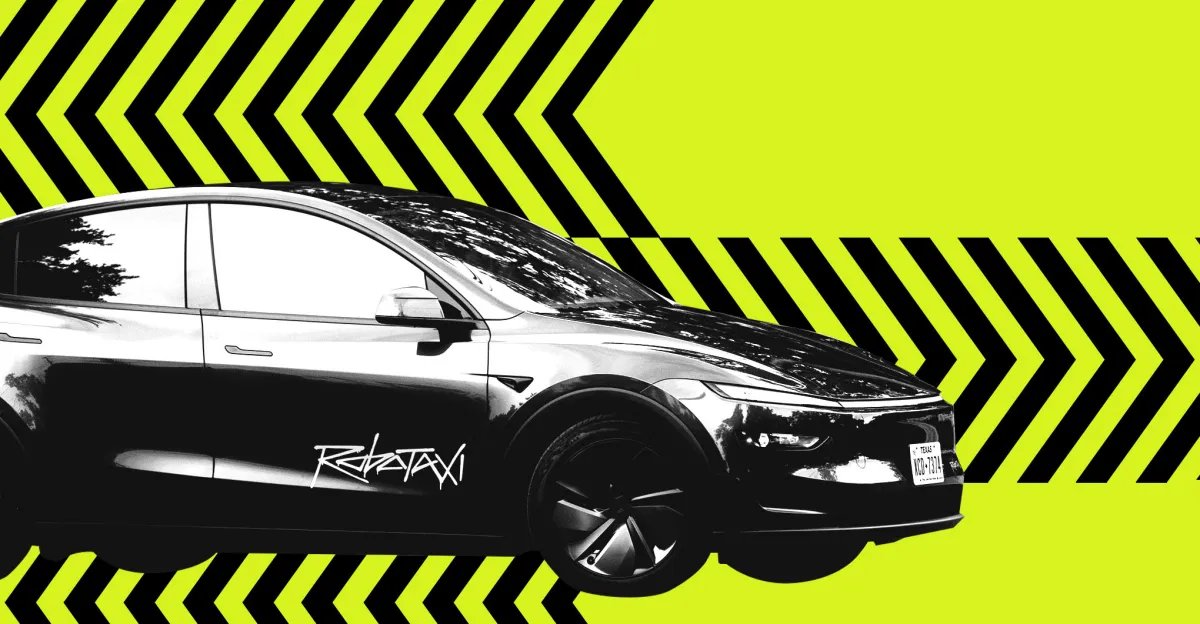
Autonomous Driving Milestone: Tesla vehicles have been spotted driving autonomously in Austin without safety monitors, marking a notable shift in their testing approach.
-
Current Monitoring Practices: Until now, Tesla’s robotaxis in Austin and San Francisco have relied on safety monitors, unlike competitors like Waymo, which operate without such oversight.
-
Musk’s Predictions: Elon Musk claims the human monitors are a precaution and predicts their removal by the end of 2025, emphasizing confidence in the technology.
-
Lack of Comprehensive Data: Despite progress in unsupervised driving, Tesla has not yet deployed these vehicles for paying customers and has not provided safety data to benchmark against human drivers.
Progress Amid Caution
Tesla’s recent sightings of robotaxis operating without safety monitors on public roads in Austin mark a significant milestone. After years of delays, this development draws attention to the rapid evolution of autonomous driving technology. However, it raises important questions about safety and accountability. While Elon Musk insists that the removal of safety monitors reflects confidence in the technology, some remain skeptical. Historically, the presence of human monitors served as a safety net, suggesting inherent limitations in current systems. Moreover, competing services like Waymo have successfully rolled out commercial robotaxi operations without similar safety protocols, illustrating a contrasting approach to ensuring reliability. Tesla may indeed be advancing toward unsupervised driving, yet many eyes remain on the threshold of actual public adoption.
The Path Forward
Widespread adoption of robotaxis hinges on more than just technological advancement; it requires transparent data and rigorous testing. Despite ongoing enthusiasm from proponents, any claims from Tesla must be backed with substantial safety metrics—data that compares performance against traditional human driving capabilities. The lack of this information creates an atmosphere of uncertainty. Potential customers and regulators alike will want assurances before embracing this new era of transport. Ultimately, if Tesla can bridge the gap between innovation and proven reliability, it could redefine mobility. The societal implications are immense, as they would introduce new efficiencies and alter urban landscapes. Balancing progress with public trust will be crucial as we navigate this transformational journey.
Discover More Technology Insights
Learn how the Internet of Things (IoT) is transforming everyday life.
Discover archived knowledge and digital history on the Internet Archive.
TechV1
