
Close Menu
    Facebook X (Twitter) Instagram
    Friday, August 28
    Top Stories:
    • Alibaba Expands South American Reach with Brazil AI Data Centers
    • Eating Ultra-Processed Foods Could Increase Prostate Cancer Risk by 30%
    • Huawei and HP Reach Multi-Year Wi-Fi Patent Cross-License Agreement
    Facebook X (Twitter) Instagram Pinterest Vimeo
    IO Tribune
    • Home
    • AI
    • Tech
      • Gadgets
      • Fashion Tech
    • Crypto
    • Smart Cities
      • IOT
    • Science
      • Space
      • Quantum
    • OPED
    IO Tribune
    Home » Unveiling the Universe: Discovering Cosmic Voids with NASA’s Telescope
    Space

    Unveiling the Universe: Discovering Cosmic Voids with NASA’s Telescope

    Staff ReporterBy Staff ReporterDecember 15, 2025No Comments3 Mins Read
    Share Facebook Twitter Pinterest LinkedIn Tumblr Reddit Telegram Email
    Share
    Facebook Twitter LinkedIn Pinterest Email

    Top Highlights

    1. Cosmic Structure Mapping: The observable universe contains an estimated two trillion galaxies, organized across vast cosmic “bubbles,” while regions with minimal galaxies are termed cosmic voids.

    2. Role of the James Webb Telescope: NASA’s Nancy Grace Roman Space Telescope will revolutionize the study of cosmic voids, enabling precise measurements that reveal the universe’s expansion history.

    3. Understanding Dark Components: Cosmic voids are primarily influenced by dark energy; studying these regions helps constrain our understanding of dark energy and its evolution over time.

    4. Precision in Void Detection: The Roman High-Latitude Wide-Area Survey aims to detect thousands of cosmic voids, enhancing our knowledge of cosmic parameters by observing faint and distant galaxies within these voids.

    NASA’s Roman Telescope Will Observe Thousands of Newfound Cosmic Voids

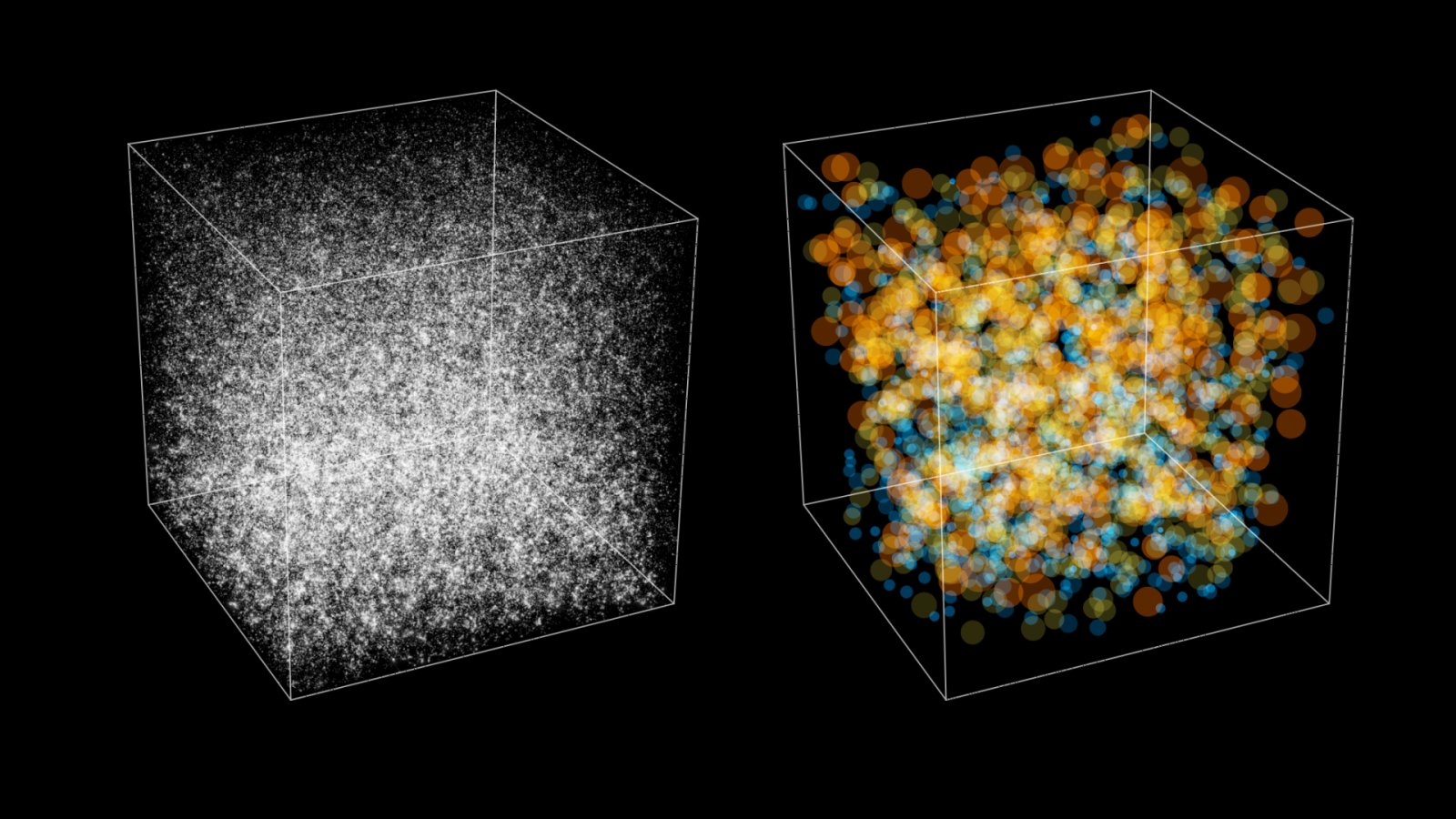
    NASA’s Nancy Grace Roman Space Telescope is set to transform our understanding of the universe. This groundbreaking telescope will focus on cosmic voids—vast regions of space with very few galaxies. Researchers estimate that as many as two trillion galaxies exist in the observable universe, yet these galaxies cluster in bubbles, leaving significant space empty.

    According to scientists, cosmic voids are crucial for understanding dark energy and dark matter. Dark energy drives the expansion of the universe, while dark matter pulls against it. By studying these voids, scientists can learn more about their composition and the overall expansion of the cosmos.

    The Roman Telescope will enable a detailed survey of the sky. Specifically, it will conduct the High-Latitude Wide-Area Survey, examining areas away from our galaxy’s plane. This initiative aims to identify tens of thousands of voids, some as small as 20 million light-years across.

    With this data, astronomers will be able to deduce the 3D shapes of voids. They will analyze galaxy positions and use redshift data to determine distances. This process is akin to figuring out a cake recipe by observing the final dessert. Adjustments in observed shapes will indicate how closely they match our galaxy’s cosmic ingredients.

    The data will cover 2,400 square degrees of the sky, capturing faint galaxies more effectively than previous missions. This enhanced visibility is essential, as voids are defined by their scarcity of galaxies. Improved observations of these sparse regions will lead to deeper insights into the universe’s structure.

    Not only does this research advance our understanding of fundamental cosmic components, but it also promises to refine technology related to space exploration. The Roman Telescope draws collaboration from various institutions, showcasing the power of collective scientific effort.

    As we look to the future, the discoveries from the Roman Telescope will likely reshape our perceptions of space and time. This mission embodies a significant leap forward in cosmic research, fueling both technological and scientific progress.

    Lee esta nota de prensa en español aquí.

    Stay Ahead with the Latest Tech Trends

    Dive deeper into the world of Cryptocurrency and its impact on global finance.

    Access comprehensive resources on technology by visiting Wikipedia.

    SciV1

    Cosmos dark energy dark matter Goddard Space Flight Center Nancy Grace Roman Space Telescope NASA Space Sustainability The Universe VT1
    Share. Facebook Twitter Pinterest LinkedIn Tumblr Email
    Previous ArticleTesla Robotaxis Hit the Streets: No Safety Monitors in Sight!
    Next Article OnePlus Unveils Exciting New Phone Series for 2026—Will You Get to See It?
    Avatar photo
    Staff Reporter
    • Website

    John Marcelli is a staff writer for IO Tribune, with a passion for exploring and writing about the ever-evolving world of technology. From emerging trends to in-depth reviews of the latest gadgets, John stays at the forefront of innovation, delivering engaging content that informs and inspires readers. When he's not writing, he enjoys experimenting with new tech tools and diving into the digital landscape.

    Related Posts

    AI

    From Theft to Trust: Helping Artists Reclaim their Work

    August 28, 2026
    Science

    Scientists Uncover How Rain Disrupts the Water Cycle

    August 28, 2026
    Gadgets

    Create an Intro with Shortcuts for Apple CarPlay

    August 28, 2026
    Add A Comment

    Comments are closed.

    Must Read

    From Theft to Trust: Helping Artists Reclaim their Work

    August 28, 2026

    Scientists Uncover How Rain Disrupts the Water Cycle

    August 28, 2026

    Create an Intro with Shortcuts for Apple CarPlay

    August 28, 2026

    First-ever Double-Blind AI Evaluation by Google DeepMind

    August 28, 2026

    Lunar Landing Halt: Testing Dust-Surface Reactions

    August 28, 2026
    Categories
    • AI
    • Crypto
    • Fashion Tech
    • Gadgets
    • IOT
    • OPED
    • Quantum
    • Science
    • Smart Cities
    • Space
    • Tech
    Most Popular

    Stirring the Mind: Arousal vs. Attention in ADHD Medications

    December 31, 2025

    Exercise Transforms Sleep-Deprived Brain Function Dynamically

    August 26, 2026

    Huawei and DeepSeek Boost China’s AI Self-Reliance with V4 Model Collaboration

    April 25, 2026
    Our Picks

    2019 Blocklist: Not an Undercover Kill Switch

    November 14, 2025

    Bits Recap Jan 9: Pi Network Updates, Ripple Price Targets & More!

    January 9, 2026

    MIT Physicists Enhance Atomic Clock Precision

    October 10, 2025
    Categories
    • AI
    • Crypto
    • Fashion Tech
    • Gadgets
    • IOT
    • OPED
    • Quantum
    • Science
    • Smart Cities
    • Space
    • Tech
    • Privacy Policy
    • Disclaimer
    • Terms and Conditions
    • About Us
    • Contact us
    Copyright © 2025 Iotribune.comAll Rights Reserved.

    Type above and press Enter to search. Press Esc to cancel.