

Top Highlights
-
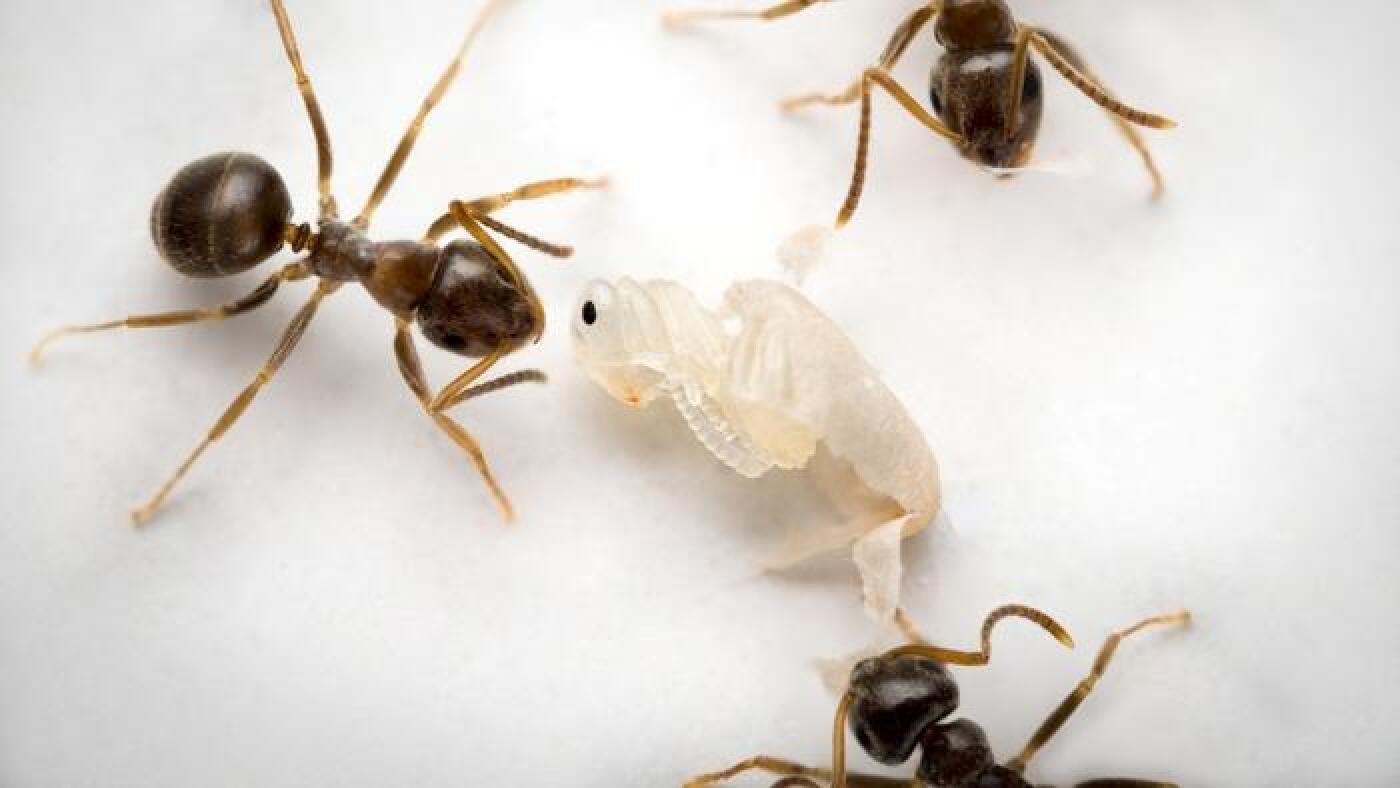
Altruistic Signal: Terminally ill ant pupae emit a “kill me” signal to workers, prompting them to unpack and disinfect them, ultimately leading to the pupae’s death.
-
Disease Defense Strategies: Ant colonies utilize various strategies to manage disease risks, including restructuring nests and social distancing behaviors among sick adults.
-
Research Findings: Through experimentation, scientists demonstrated that the smell produced by sick pupae actively signals adult workers to disinfect them, confirming the intentional nature of the signal.
-
Selfish Altruism: While the behavior may seem altruistic, it serves the broader genetic interests of sterile worker ants by protecting the colony, showcasing a complex balance of self-preservation and communal benefit.
Understanding Ant Behavior: A Survival Mechanism
Ants showcase remarkable social structures, particularly in how they manage disease within their colonies. Recent research reveals that sick young ants emit a ‘kill me’ scent, signaling worker ants to disinfect them. This action, while seemingly tragic, plays a crucial role in the colony’s overall health. By removing the terminally ill, colonies inhibit the spread of diseases that threaten their survival.
Ants often live in densely populated environments, making them susceptible to infections. For instance, a single sick ant can endanger many others due to their genetic similarities. Consequently, their survival mechanism hinges on collaborative defense strategies. Rather than viewing this behavior solely as altruistic, it reflects a deeper evolutionary instinct. The colony’s success ensures that the genetic legacy of each individual survives. Thus, the sick ants’ sacrifice, while tragic, fosters the growth of the colony and indirectly benefits their lineage.
Implications for Human Understanding
The insights gained from studying ant behavior can inform human perspectives on disease management. Much like ant colonies, human societies face challenges of epidemic spread. Comprehending such self-sacrificial behaviors may inspire innovative strategies to enhance cooperation in public health initiatives. By examining the balance of individual sacrifice for collective benefit, we can explore new ways to tackle the challenges of infectious diseases.
Moreover, widespread adoption of cooperative strategies, whether in medicine or community health, echoes the ants’ survival route. Understanding these dynamics enriches our appreciation of teamwork in nature and its significance for human civilization. Balancing individual needs with collective well-being remains an essential consideration in both human and ant societies.
Continue Your Tech Journey
Explore the future of technology with our detailed insights on Artificial Intelligence.
Access comprehensive resources on technology by visiting Wikipedia.
TechV1
