
Close Menu
    Facebook X (Twitter) Instagram
    Sunday, July 26
    Top Stories:
    • Building a WNBA Dream: The Startup Spirit of Toronto Tempo’s President
    • EU Urges TikTok to Step Up Child Safety Efforts
    • India’s Massive Leak Sparks Rethink on China Relocations
    Facebook X (Twitter) Instagram Pinterest Vimeo
    IO Tribune
    • Home
    • AI
    • Tech
      • Gadgets
      • Fashion Tech
    • Crypto
    • Smart Cities
      • IOT
    • Science
      • Space
      • Quantum
    • OPED
    IO Tribune
    Home » Falcon 9 Ignites the Skies: 29 New Starlink Satellites Take Flight!
    Space

    Falcon 9 Ignites the Skies: 29 New Starlink Satellites Take Flight!

    Staff ReporterBy Staff ReporterJanuary 19, 2026No Comments2 Mins Read
    Share Facebook Twitter Pinterest LinkedIn Tumblr Reddit Telegram Email
    Share
    Facebook Twitter LinkedIn Pinterest Email

    Quick Takeaways

    1. Launch Success: SpaceX successfully launched 29 Starlink satellites (Group 6-100) into low Earth orbit on January 18, 2026, at 6:31 p.m. EDT.

    2. Reused Technology: This launch marked the 24th successful re-flight of the Falcon 9’s first stage (B1080), showcasing SpaceX’s commitment to reusability.

    3. Expanding Constellation: The Starlink network now consists of over 9,500 active satellites, enhancing internet access in underserved regions and supporting services like in-flight Wi-Fi and direct cell-to-satellite calls.

    4. Milestone Achievements: This mission marked SpaceX’s 8th launch of 2026 and the 591st Falcon 9 mission since 2010, highlighting the company’s dominance in the commercial space sector.

    SpaceX Falcon 9 Rocket Launches 29 Starlink Satellites

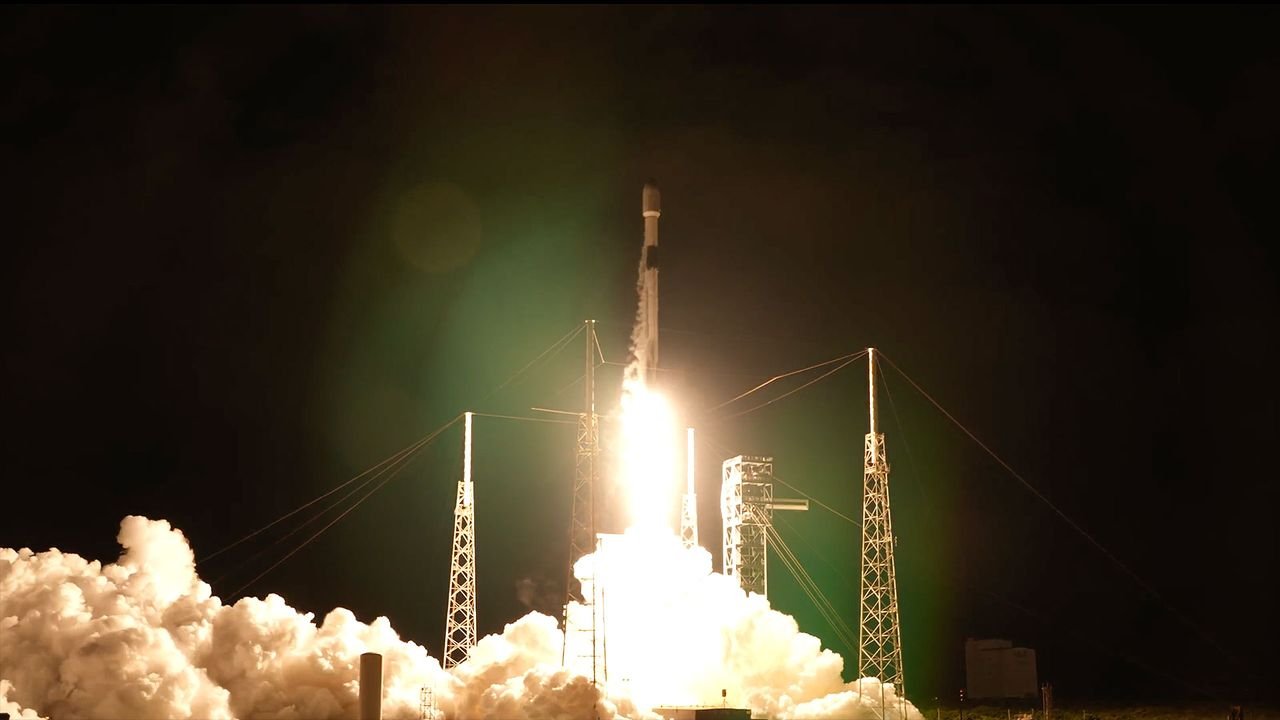
    SpaceX has successfully launched another batch of Starlink satellites. On Sunday, Jan. 18, the company sent 29 satellites into low Earth orbit. The Falcon 9 rocket lifted off from Cape Canaveral Space Force Station in Florida at 6:31 p.m. EDT.

    Following a nine-minute flight, the rocket’s upper stage reached its preliminary orbit. The launch vehicle then deployed its payload about an hour after launch. This included a coast period and a second burn of the Merlin engine, showcasing the rocket’s reliability.

    The launch highlighted the 24th successful re-flight of the Falcon 9’s first stage booster. After delivering its cargo, the booster landed on the droneship “A Shortfall of Gravitas” stationed in the Atlantic Ocean.

    With Sunday’s launch, the Starlink megaconstellation now includes over 9,500 active satellites. This extensive network brings internet access to underserved areas worldwide. Additionally, it supports Wi-Fi on airlines and enables direct cell-to-satellite calls with certain providers.

    Overall, this launch marks SpaceX’s eighth of 2026 and the 591st Falcon 9 mission since 2010. Each successful mission contributes to ongoing technological development in space connectivity, enhancing the quality of life for millions of people. As more satellites join the constellation, the future of global internet access appears brighter than ever.

    Discover More Technology Insights

    Stay informed on the revolutionary breakthroughs in Quantum Computing research.

    Discover archived knowledge and digital history on the Internet Archive.

    SciV1

    Cosmos NASA Space VT1
    Share. Facebook Twitter Pinterest LinkedIn Tumblr Email
    Previous ArticleCrypto Cards Surge from $100M to $1.5B in Real-World Payments!
    Next Article Tencent Aims to Collaborate with AI Leaders for Safer Tech for All
    Avatar photo
    Staff Reporter
    • Website

    John Marcelli is a staff writer for IO Tribune, with a passion for exploring and writing about the ever-evolving world of technology. From emerging trends to in-depth reviews of the latest gadgets, John stays at the forefront of innovation, delivering engaging content that informs and inspires readers. When he's not writing, he enjoys experimenting with new tech tools and diving into the digital landscape.

    Related Posts

    AI

    Your AI Calorie Tracker Could Be Off by 345

    July 26, 2026
    Science

    Galaxy Mergers Might Not Kill Stars, Say Astronomers

    July 26, 2026
    AI

    Streamline Your ML Experiments with This Fix

    July 26, 2026
    Add A Comment

    Comments are closed.

    Must Read

    Your AI Calorie Tracker Could Be Off by 345

    July 26, 2026

    Galaxy Mergers Might Not Kill Stars, Say Astronomers

    July 26, 2026

    Streamline Your ML Experiments with This Fix

    July 26, 2026

    11 Paid Android Apps That Are Absolutely Worth It

    July 26, 2026

    Lunar Leap: Pioneering Small Spacecraft Innovations

    July 26, 2026
    Categories
    • AI
    • Crypto
    • Fashion Tech
    • Gadgets
    • IOT
    • OPED
    • Quantum
    • Science
    • Smart Cities
    • Space
    • Tech
    Most Popular

    Gym Goers Thrive: The Rise of Competitive Fitness Events!

    August 27, 2025

    Unlocking Hidden Oxygen: A Catalyst Breakthrough

    April 26, 2026

    Crypto Dive: ETH, XRP, ADA, BNB, HYPE Jun-12

    June 12, 2026
    Our Picks

    Unlocking Code: MIT Researchers Unveil a Playful Blueprint for Clear and Modular Software!

    November 6, 2025

    Unleash Your Creativity: Akai Revamps MPC One and Key 37 Workstations

    June 18, 2026

    Samsung’s $200 Galaxy A17 Introduces Google’s Circle Search Feature!

    December 31, 2025
    Categories
    • AI
    • Crypto
    • Fashion Tech
    • Gadgets
    • IOT
    • OPED
    • Quantum
    • Science
    • Smart Cities
    • Space
    • Tech
    • Privacy Policy
    • Disclaimer
    • Terms and Conditions
    • About Us
    • Contact us
    Copyright © 2025 Iotribune.comAll Rights Reserved.

    Type above and press Enter to search. Press Esc to cancel.