
Close Menu
    Facebook X (Twitter) Instagram
    Friday, November 6
    Top Stories:
    • China’s AI Chipmakers Turn Profitable: Can the Momentum Last?
    • Major Trial Challenges Who Needs Statins
    • Hua Hong Bets Big on Silicon Photonics for AI Boom
    Facebook X (Twitter) Instagram Pinterest Vimeo
    IO Tribune
    • Home
    • AI
    • Tech
      • Gadgets
      • Fashion Tech
    • Crypto
    • Smart Cities
      • IOT
    • Science
      • Space
      • Quantum
    • OPED
    IO Tribune
    Home » Why Humanoid Robots Still Struggle with the Small Stuff
    Quantum

    Why Humanoid Robots Still Struggle with the Small Stuff

    Staff ReporterBy Staff ReporterMarch 18, 2026No Comments2 Mins Read
    Share Facebook Twitter Pinterest LinkedIn Tumblr Reddit Telegram Email
    Share
    Facebook Twitter LinkedIn Pinterest Email

    Quick Takeaways

    1. Robotic gait and coordination have shifted from hand-engineered algorithms to deep reinforcement learning, enabling more fluid and adaptable movements.
    2. Advances in hardware, like compliant actuators, have been crucial in allowing reinforcement learning to succeed in real-world robot locomotion.
    3. Multimodal AI models now integrate vision, language, and action, reducing reliance on hard-coded programming for complex tasks such as finding and grabbing objects.
    4. Despite these technological leaps, true human-like robot performance hinges on mastering fundamental physics, especially force and inertia.

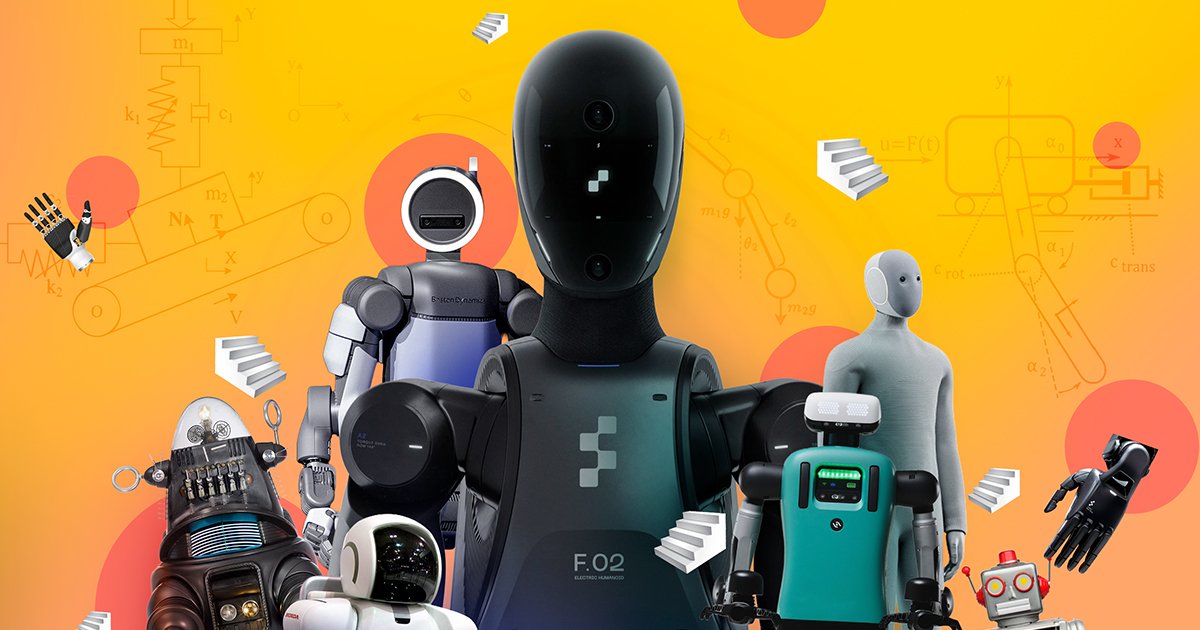
    Humanoid robots have made impressive progress. They can walk, pick up objects, and even respond to commands. However, they still struggle with the small details. These “small stuff” challenges include maintaining balance, avoiding minor obstacles, and handling sudden changes in the environment.

    Transitioning from old methods, roboticists now use deep reinforcement learning. This allows robots to learn how to move naturally by running many digital simulations. Instead of programming every step, they teach robots through trial and error. For example, Kuindersma explained that robots learn to balance and avoid collisions without relying on simplified physics models.

    Another breakthrough came from new hardware. Sangbae Kim at MIT developed actuators that are flexible and springy. These actuators, combined with reinforcement learning, helped robots handle real-world obstacles better. Kim noted that hardware improvements made it possible for robots to learn and adapt safely.

    In 2023, AI made a big leap. Google DeepMind introduced models that can understand videos and language. These vision-language-action systems help robots interpret what people say and do. For example, if asked to find something to drink, a robot can plan the steps — a task once only possible with hard-coded instructions.

    Despite advances, robots still struggle because they cannot fully understand physics. Pulkit Agrawal from MIT said, “To make robots work like humans, we need to master physics.” Specifically, he explained that understanding force and inertia is crucial. Without this knowledge, robots cannot accurately predict their movements or react smoothly to real-world forces.

    As robotics continues to grow, the biggest challenge remains understanding the fundamental laws of physics. Without this insight, robots will keep finding the small stuff difficult — but progress is steady, and the future looks promising.

    Continue Your Tech Journey

    Explore the future of technology with our detailed insights on Artificial Intelligence.

    Discover archived knowledge and digital history on the Internet Archive.

    QuantumV1

    HPC Innovation Quantum VT1
    Share. Facebook Twitter Pinterest LinkedIn Tumblr Email
    Previous ArticleMIT’s anthropology-inspired class boosts chatbot skills
    Next Article Texas in a Dust Storm: Nature’s Dramatic Canvas
    Avatar photo
    Staff Reporter
    • Website

    John Marcelli is a staff writer for IO Tribune, with a passion for exploring and writing about the ever-evolving world of technology. From emerging trends to in-depth reviews of the latest gadgets, John stays at the forefront of innovation, delivering engaging content that informs and inspires readers. When he's not writing, he enjoys experimenting with new tech tools and diving into the digital landscape.

    Related Posts

    AI

    Free Chinese AI Models Are Scarily Good at Hacking

    November 6, 2026
    Tech

    China’s AI Chipmakers Turn Profitable: Can the Momentum Last?

    November 6, 2026
    Science

    Major Trial Challenges Who Needs Statins

    November 6, 2026
    Add A Comment

    Comments are closed.

    Must Read

    Free Chinese AI Models Are Scarily Good at Hacking

    November 6, 2026

    China’s AI Chipmakers Turn Profitable: Can the Momentum Last?

    November 6, 2026

    Major Trial Challenges Who Needs Statins

    November 6, 2026

    AI Companies Want to Buy Your Work Files and Emails

    November 6, 2026

    The Hidden Recycling Problem with Lightweight Packaging

    November 6, 2026
    Categories
    • AI
    • Crypto
    • Fashion Tech
    • Gadgets
    • IOT
    • OPED
    • Quantum
    • Science
    • Smart Cities
    • Space
    • Tech
    Most Popular

    Kevin Roose Didn’t Use AI to Write His Book

    October 6, 2026

    Scientists unveil groundbreaking new method to combat viruses effectively

    July 2, 2026

    ETH Insider Reveals 2026 Ethereum Foundation Shake-Up

    May 20, 2026
    Our Picks

    Meta’s Muse: Better Surveillance Than Support

    September 20, 2026

    Frog Love: How Noise Shapes Mating Choices

    September 13, 2025

    Blackmagic Camera & Apple Watch: Vlog Remote Control

    May 9, 2026
    Categories
    • AI
    • Crypto
    • Fashion Tech
    • Gadgets
    • IOT
    • OPED
    • Quantum
    • Science
    • Smart Cities
    • Space
    • Tech
    • Privacy Policy
    • Disclaimer
    • Terms and Conditions
    • About Us
    • Contact us
    Copyright © 2025 Iotribune.comAll Rights Reserved.

    Type above and press Enter to search. Press Esc to cancel.