

Quick Takeaways
-
Severe Weather Impact: On March 15, 2026, a strong cold front hit West Texas, causing stiff winds and a massive dust cloud that drastically reduced visibility, leading to hazardous travel conditions and contributing to a multivehicle crash in North Texas.
-
Wildfire Risks: The National Weather Service issued a Red Flag Warning due to high winds and dry conditions, resulting in several wildfires in the Texas Panhandle and prompting evacuations.
-
Temperature Drops: Following the cold front’s passage, Pecos experienced a temperature drop from 88°F to 39°F within hours, with sustained winds reaching 25 mph and gusts over 60 mph reported in some areas.
-
Drought Conditions: Much of northern and western Texas is under moderate to severe drought, increasing susceptibility to dust storms and wildfires, which are common during this time of year.
Wave of Dust Rolls Through Texas
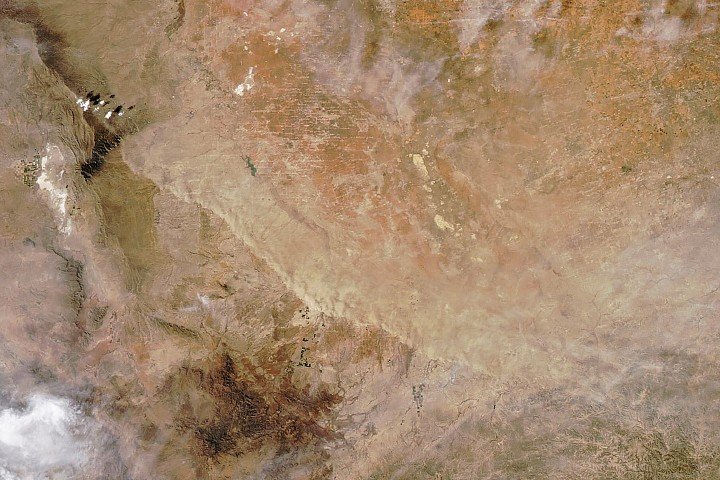
On March 15, 2026, a powerful cold front swept across West Texas and the Panhandle, unleashing a massive dust storm. Stiff winds stirred up a thick wall of dust, reducing visibility and complicating travel. These harsh conditions led to multiple accidents, including a significant multivehicle crash in North Texas.
NASA’s Aqua satellite captured stunning images of the dust cloud as it rolled across Texas. The MODIS technology provided a clear view of the storm, highlighting its vast scope. Notably, earlier data from the Terra satellite showed the dust wall 150 miles northeast just hours before.
The National Weather Service responded to the perilous conditions by issuing a Red Flag Warning. This alert raised concerns about wildland fires due to high winds and unusually low humidity. Sadly, several fires erupted, prompting evacuations in the Panhandle.
Interestingly, temperatures fluctuated dramatically. At 4:30 p.m. in Pecos, the thermometer soared to 88 degrees Fahrenheit. However, by the next morning, the temperature had plummeted to a chilly 39°F. Wind gusts recorded speeds reaching over 60 miles per hour in various locations, creating a hazardous environment.
Drought conditions exacerbated the situation. Much of northern and western Texas has endured moderate to severe drought, increasing the likelihood of recurring dust storms. Experts noted that while such storms are common this time of year, the lack of rain has made the region more vulnerable.
Technology plays a crucial role in monitoring these weather phenomena. Satellites like Aqua and Terra offer valuable data for better predicting dust storms. This information aids communities in preparing for such events, ultimately improving safety and response strategies. As we observe science and technology working together, we gain insights that can enhance our quality of life even amid challenging weather conditions.
Stay Ahead with the Latest Tech Trends
Stay informed on the revolutionary breakthroughs in Quantum Computing research.
Stay inspired by the vast knowledge available on Wikipedia.
SciV1
