

Top Highlights
-
Distinct Microbial Fingerprint: New research from the University of East Anglia identifies a unique microbial signature specific to colorectal cancer, distinguishing it from other cancers with significant implications for diagnosis and treatment.
-
Impact on Understanding Cancer: The findings challenge the notion that each cancer type has a unique microbial signature, indicating that understanding microbial communities may reshape cancer treatment and improve patient outcomes.
-
Link to Survival and Treatment Response: Certain bacteria in tumors have been correlated with survival rates, suggesting that microbial presence could help predict treatment efficacy and guide future therapeutic strategies.
-
Role of Whole Genome Sequencing: This study underscores the clinical value of whole genome sequencing, demonstrating its potential in uncovering pathogens linked to cancer and enhancing precision medicine.
Uncovering the Microbial Identity of Colorectal Cancer
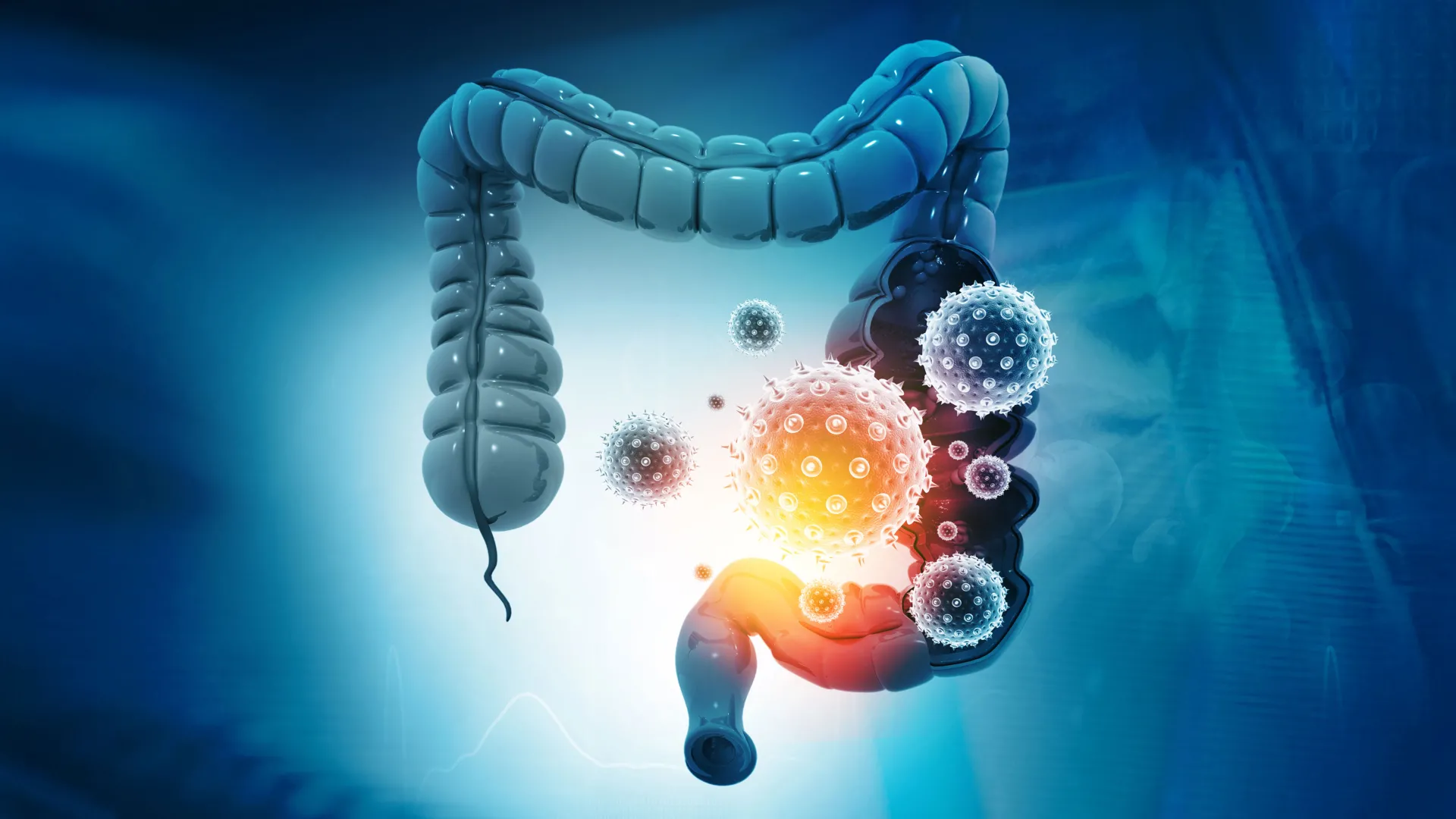
Colorectal cancer stands out among its peers due to its unique microbial “fingerprint.” Recent research from the University of East Anglia demonstrates how this discovery can change our approach to treatment. Scientists examined DNA data from over 9,000 cancer patients. They found that, unlike other cancers, colorectal tumors consistently harbor a distinct microbial community. This specific fingerprint may help clinicians diagnose the disease more accurately and predict how aggressive it may become. Moreover, the findings challenge the assumption that every cancer has its unique microbial signature.
These insights open the door to better cancer care. They suggest that whole genome sequencing (WGS) could be a valuable tool in identifying microbial patterns linked to patient outcomes. The researchers noted that they could determine the presence of harmful microbes that could contribute to cancer development. Notably, the study highlights that certain bacteria may affect survival rates in cases of sarcoma, fostering an avenue for targeted treatments. Thus, microbial analysis may become an integral part of personalized medicine.
Practical Implications for Future Cancer Treatment
The implications of this research extend beyond colorectal cancer. The study underscores the importance of WGS in modern clinical practice. With this technology, physicians can detect previously undiagnosed infections like human papillomavirus or even rare viral threats. This capability shifts the landscape of cancer diagnostics and prognostics, enhancing the precision of treatment plans.
As more hospitals adopt whole genome sequencing, it could drive improvements in patient care at minimal costs. Additionally, the microbial discoveries may open new pathways for future research, enabling scientists to explore how specific microbes influence treatment response. The collaboration among various institutions demonstrates a collective commitment to advancing cancer research and care.
This study paves the way for innovative strategies in oncology. The insights gained from studying microbial signatures and overall genetic data could significantly elevate our understanding of cancer treatments. Engaging with these findings could contribute to a more effective framework in tackling this formidable disease through precision medicine.
Discover More Technology Insights
Explore the future of technology with our detailed insights on Artificial Intelligence.
Explore past and present digital transformations on the Internet Archive.
TechV1
