

Top Highlights
-
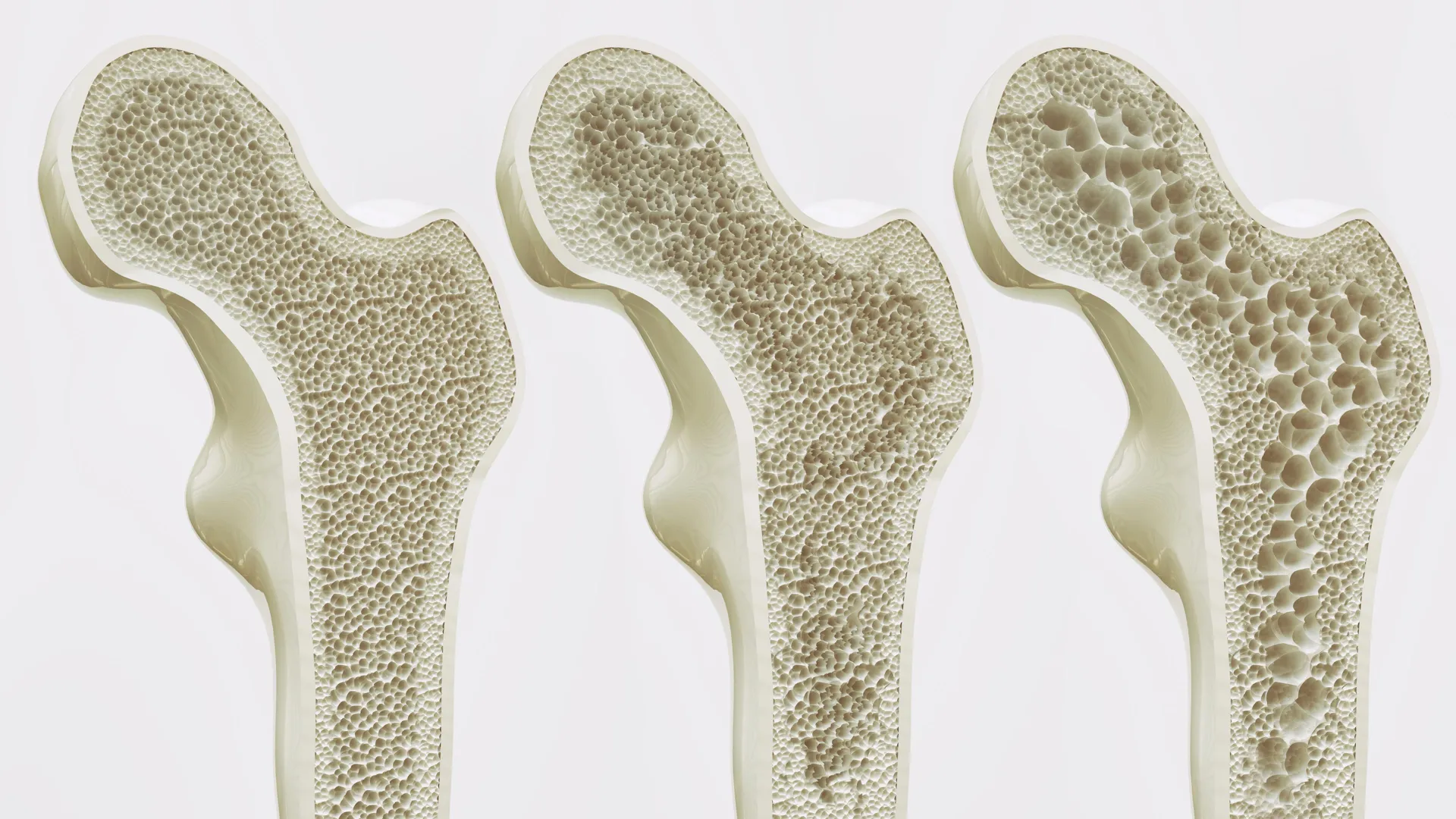
Rising Osteoporosis Risk: Osteoporosis affects approximately six million individuals in Germany, primarily women, and is prevalent among the aging population, especially post-menopause.
-
Innovative Target Identification: Researchers from Leipzig University have discovered GPR133, a receptor crucial for bone health, which regulates bone formation and breakdown, offering new avenues for effective treatment development.
-
AP503’s Role: The compound AP503, identified via computer-assisted screening, activates GPR133 to enhance bone strength and density, making it a strong candidate for osteoporosis therapies.
-
Broader Impacts on Aging: This discovery not only targets bone health but also improves muscle strength, potentially reducing fall risks and supporting overall independence in older adults. Further research on GPR133 and AP503 is underway for future therapeutic applications.
A Receptor Linked to Bone Strength
Recent research shines a light on a receptor called GPR133, a potential game-changer for bone health. As the population ages, osteoporosis becomes increasingly common, especially among women after menopause. Current treatments often come with limitations and side effects, prompting a need for safer options. Scientists at Leipzig University uncovered GPR133’s vital role in maintaining bone density. They discovered that when this receptor malfunctions, it leads to early signs of osteoporosis in mice. Notably, they also identified a compound called AP503, which stimulates GPR133 effectively. In their studies, this compound significantly increased bone strength in both healthy and osteoporotic mice. This breakthrough raises hope for new medications that not only prevent bone loss but actively rebuild it.
Potential Benefits for Aging Populations
The implications of this discovery extend far beyond bone health. Earlier findings from the same research team indicate that activating GPR133 may also enhance skeletal muscle strength. For older adults, maintaining both bone and muscle strength is crucial. Doing so reduces the risks of falls, fractures, and dependence on caregivers. The dual benefits of treatments targeting GPR133 could revolutionize care for aging populations. While ongoing research continues to examine the pathway’s potential, the future seems bright for developing therapies that truly fortify our bones for life. As we unravel the complexities of our biology, we inch closer to solutions that may one day alleviate the burden of osteoporosis and enhance overall quality of life.
Expand Your Tech Knowledge
Learn how the Internet of Things (IoT) is transforming everyday life.
Discover archived knowledge and digital history on the Internet Archive.
TechV1
