

Essential Insights
-
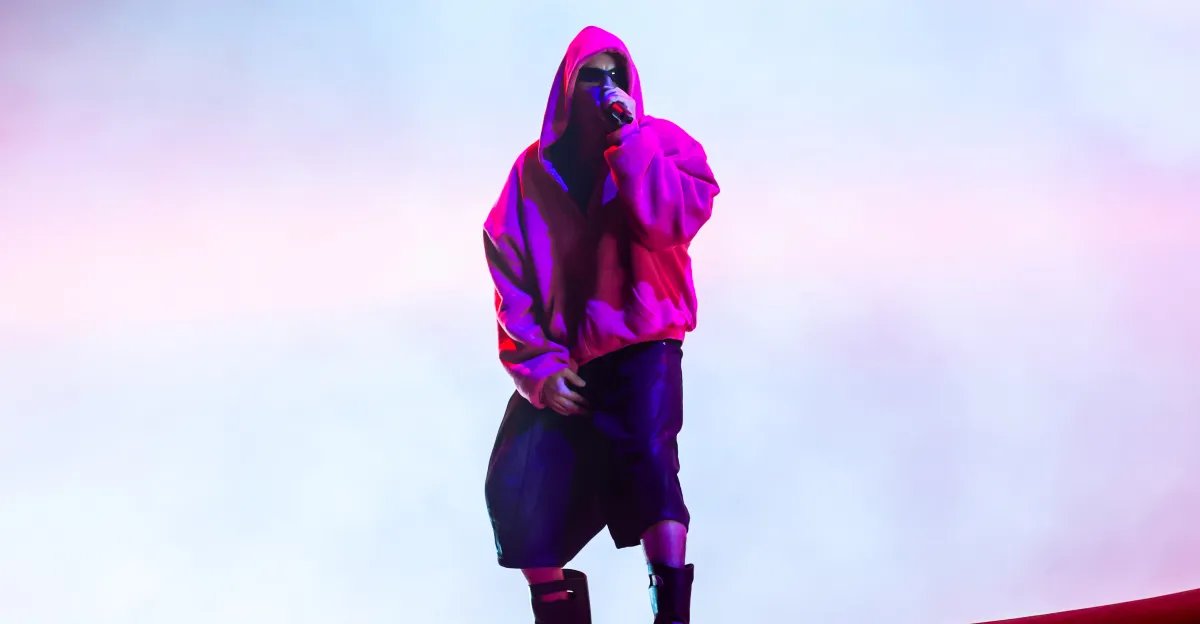
Coachella Headline Performance: Justin Bieber headlined Coachella, marking his first significant solo performance in years, reportedly earning $10 million for two sets.
-
YouTube Integration: During his set, Bieber showcased older songs using snippets played directly from YouTube, prompting nostalgia among fans, but raising questions about performance rights.
-
Catalog Sale Misconception: Despite media claims, Bieber’s recent sale of his music catalog to Recognition Music Group does not restrict his ability to perform older songs, as rights are managed through performance organizations.
-
Engaging Content: Bieber entertained the audience with not just music, but also humorous clips from his past, emphasizing a playful and engaging atmosphere throughout his performance.
The Coachella Set and YouTube’s Role
Justin Bieber’s recent performance at Coachella sparked various discussions, particularly about his choice to play old songs through YouTube. For a generation of fans, seeing iconic tracks like “Baby” and “Beauty and a Beat” featured prominently on screen was nostalgic. Some speculated that Bieber’s music catalog sale restricted his ability to perform these songs in full. However, this notion lacks grounding in truth. Experts clarify that the public performance rights for these songs remain intact. Coachella, like many venues, enters licensing agreements with performance rights organizations, allowing artists to perform a range of catalog songs. Hence, Bieber’s presentation style on stage was more about creativity than contractual limitations.
This performance highlighted a broader trend in the music industry. YouTube, once a platform for exposure, now acts as a bridge between past and present for artists. By using it as part of his set, Bieber not only connected with fans but also showcased how digital platforms can enhance live performances. Transitioning from merely streaming to live interaction represents a shift in how artists engage with their audiences. When he joked, “I’m getting pulled into the deep dark web,” he acknowledged the culture of online engagement that fans have grown to love.
Music Ownership and Artistic Expression
The conversation surrounding ownership and performance rights serves as a reminder that the music landscape is constantly evolving. While Bieber no longer owns the rights to his catalog, this does not inhibit his artistic expression. Legal experts confirm that no unique clause in his contract prevents him from performing those iconic tracks. In fact, withholding performance rights would only detract from the artist’s fame and the legacy of his music.
This situation emphasizes an important aspect of creativity in the digital age. Artists are finding innovative ways to present their work, using platforms like YouTube not just for promotion, but as integral parts of their performances. As music consumption shifts, the ability to adapt becomes crucial. Ultimately, Justin Bieber’s Coachella set serves as a reminder that innovation in art can flourish, regardless of ownership dynamics. The engagement he created during his performance illustrates the power of technology to unite artists and audiences, proving that creativity knows no bounds.
Continue Your Tech Journey
Stay informed on the revolutionary breakthroughs in Quantum Computing research.
Access comprehensive resources on technology by visiting Wikipedia.
TechV1
