

Quick Takeaways
- The author switched from a Lebanese to a French YouTube Premium due to regional restrictions and decided not to use YouTube Music, citing its limited device compatibility compared to Spotify.
- Spotify’s universal device support and native apps make it more reliable for a seamless listening experience across multiple devices and platforms.
- Spotify Connect provides a superior, integrated control system, allowing any app to act as a remote for any device, which YouTube Music currently lacks.
- The author prefers Spotify’s organizational features, privacy controls, and independent app ecosystem over YouTube Music’s intertwined experience with YouTube videos and limited management options.
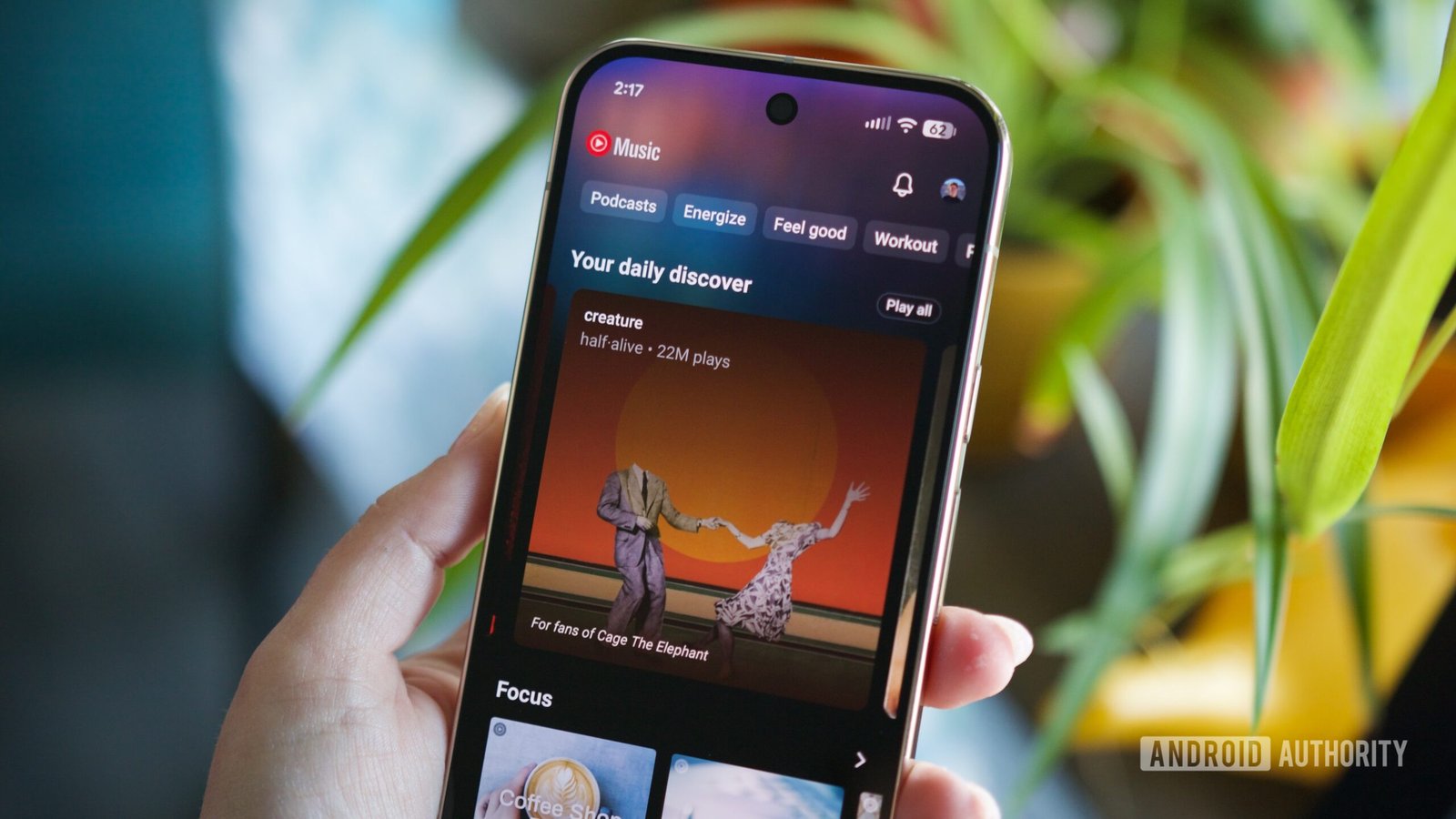
Many people now pay for streaming services like YouTube Music, yet still choose not to use them regularly. Despite the convenience of having access through their subscriptions, the service often falls short compared to alternatives like Spotify. For example, YouTube Music isn’t available on all devices, limiting how and where users can listen. It lacks native apps for popular platforms like PlayStation and Roku, and doesn’t support seamless device control through features like Spotify Connect.
This limited compatibility pushes users to rely on workarounds, making the experience less intuitive. Additionally, some find the app’s interface and features frustrating. Unlike Spotify, YouTube Music does not offer playlist folders, artist blocking, or private listening modes easily. It also tightly integrates with YouTube videos, which some users find distracting or unnecessary for music listening.
These issues highlight an important point about urban innovation: technology should serve everyone’s needs across all devices and environments. Just as smart cities aim for seamless connectivity and accessibility, music services that restrict device compatibility hinder user experience. Investing in more adaptable, device-agnostic platforms could empower users and make their digital lives smoother.
Being able to access your music anytime, anywhere, without restrictions, boosts not only convenience but also confidence in the service. It reflects a larger trend toward universal solutions that work across different devices and settings. Ultimately, the goal is a connected digital environment where technology adapts to users, not the other way around.
Continue Your Tech Journey
Explore the future of technology with our detailed insights on Artificial Intelligence.
Stay inspired by the vast knowledge available on Wikipedia.
GadgetsV1
