

Quick Takeaways
- Canadian astronaut Josh Kutryk will join SpaceX Crew-13 in 2026.
- He’s the first CSA astronaut back to ISS since 2018-19.
- Kutryk will conduct science experiments and maintenance during his mission.
- Canada is involved in NASA’s Artemis program and future moon projects.
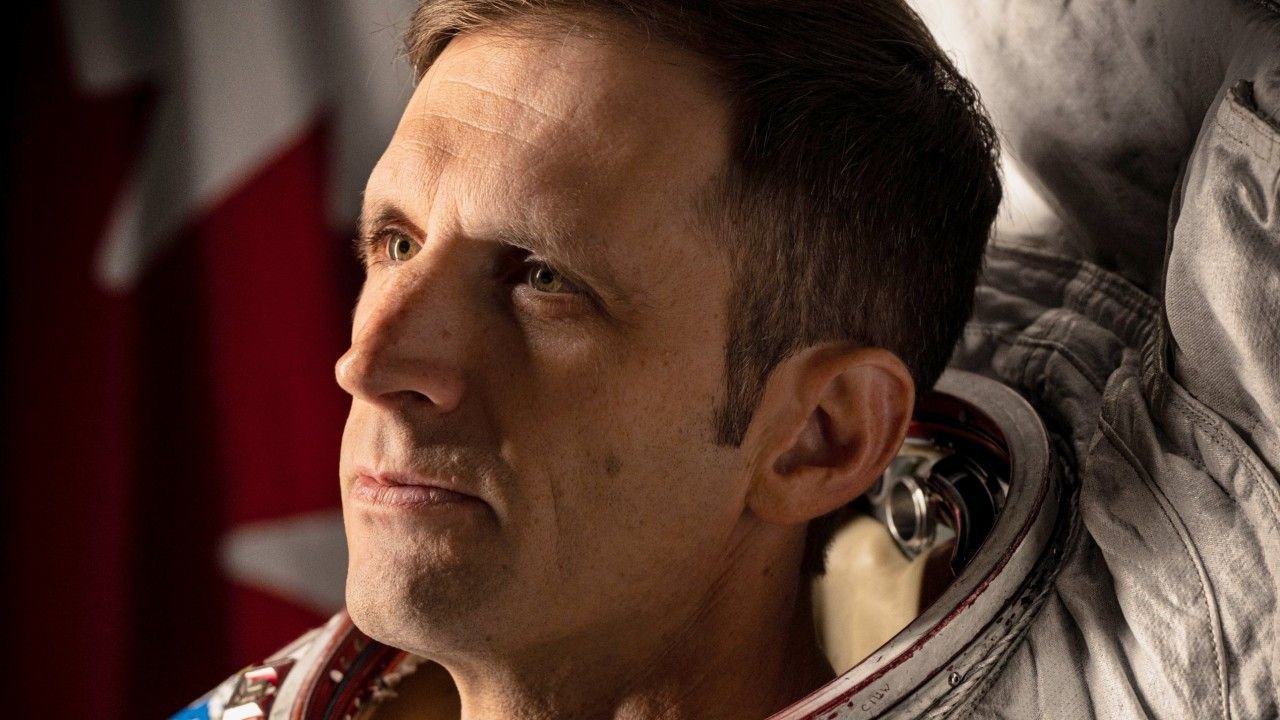
First, Canada flew an astronaut to the moon. Now, it’s set to return to the International Space Station (ISS). Canadian Space Agency (CSA) astronaut Josh Kutryk is slated to fly on the SpaceX Crew-13 mission, no earlier than September 2026. This announcement came shortly after CSA astronaut Jeremy Hansen completed the historic Artemis 2 mission around the moon.
### Kutryk’s Historic Assignment
Kutryk’s mission represents a milestone for Canada’s participation in space exploration. He will join NASA astronauts Jessica Watkins and Luke Delaney, along with Roscosmos cosmonaut Sergey Teteryatnikov. The mission aligns with the centennial celebration of the Royal Canadian Air Force, as both Hansen and Kutryk hold the rank of colonel. Kutryk remarked, “I am honored to be part of Crew-13 and represent Canada on this mission.” His commitment highlights the importance of collaboration and innovation in space science.
The upcoming mission will mark Kutryk’s first long-term stay aboard the ISS. He is set to spend half a year in space as part of Expeditions 75 and 76. This is significant, as it will be the first time a CSA astronaut has spent an extended duration aboard the ISS in eight years, following David Saint-Jacques’ mission from 2018 to 2019. The CSA typically conducts missions to the ISS every six years based on international agreements, and this opportunity comes after a series of setbacks in the Starliner program.
### Challenges and Preparations
Kutryk’s journey to this milestone has not been without obstacles. Initially, he was assigned to the Boeing Starliner-1 crew for a planned flight in 2024. However, Boeing faced challenges during uncrewed test flights, leading to delays and a reallocation of crew members. These issues resulted in Kutryk being reassigned to the SpaceX mission.
As part of his preparation, Kutryk is training for spacewalks at NASA’s Johnson Space Center. His workload on the ISS will encompass various science experiments, particularly Canadian-led research focusing on human health. He will also undertake maintenance and operational activities on the station, which is crucial for its ongoing functionality.
Kutryk brings a wealth of experience to his mission. As a military test pilot, he has logged over 4,000 flight hours in various aircraft, contributing to NATO, NORAD, and UN operations. His background includes extensive ground experience in flight operations and training for previous missions.
Canada’s contributions to human spaceflight extend to technological developments, including the Canadarm2 on the ISS and Canadarm3 for future lunar projects. These advancements underscore the country’s evolving role in international space exploration and highlight the significance of missions like Crew-13.
The collaboration and advancements in space technology show a promising future for international partnerships in space exploration, paving the way for further achievements in human spaceflight.
Expand Your Tech Knowledge
Explore the future of technology with our detailed insights on Artificial Intelligence.
Discover archived knowledge and digital history on the Internet Archive.
Space
