

Top Highlights
- Tropical Cyclone Maila approached Papua New Guinea, causing intense rainfall in April 2026.
- Heavy rains triggered deadly landslides in East New Britain’s Gazelle district.
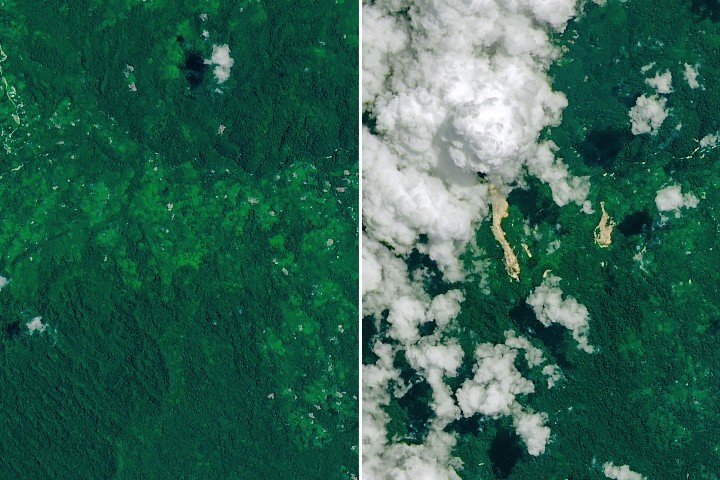
- Satellite imagery revealed landslide scars in tropical forests following the storm.
- NASA models indicated high landslide risk due to heavy precipitation and terrain.
Cyclone Rains Spur Papua New Guinea Landslides
Since much of Papua New Guinea lies close to the equator, the Coriolis effect is weak. This geographic factor typically lowers the risk of tropical cyclones, especially in the northern regions. However, in April 2026, Tropical Cyclone Maila deviated from this trend, threatening islands such as Bougainville, New Britain, and New Ireland. Unusually warm sea surface temperatures and favorable atmospheric conditions allowed this powerful storm to approach the region, resulting in torrential rainfall.
Landslides Triggered by Intense Rainfall
The heavy rains from Maila saturated the steep terrain of the Gazelle district in East New Britain. On April 9, 2026, landslides occurred, leading to significant casualties, with reports indicating several deaths. NASA’s Landsat 9 satellite captured images of these fresh landslide scars in the Baining Mountains on April 20, 2026. The dark light-brown scars from the landslides cut through the region’s dense forests, starkly contrasted against vibrant green foliage and scattered clouds. A comparative image from September 24, 2025, shows the same area before the destructive landslides reshaped the landscape.
Maila reached Category 4 strength on Australia’s cyclone intensity scale. Its long-lasting presence in the region compounded the effects of intense rain, as the storm’s rainbands repeatedly battered East New Britain. According to satellite data from NASA’s Global Precipitation Measurement (GPM) mission, the area likely received hundreds of millimeters of rain within a week, heightening the risk of landslides.
Monitoring and Preparing for Future Risks
NASA’s Landslide Hazard Assessment for Situational Awareness (LHASA) model plays a crucial role in monitoring these events. It combines precipitation estimates from GPM with data on slope, soil, and land cover to identify regions susceptible to landslides. During Cyclone Maila, LHASA pinpointed areas in East New Britain, including the Baining Mountains, as having heightened risks of slope failure. This predictive capability is essential for disaster preparedness in vulnerable regions.
As reports of the tragic consequences of the landslides continue to emerge, the incident serves as a reminder of the power of natural forces in disrupting communities. With climate patterns shifting and the risk of more intense storms increasing, understanding and mitigating these risks will be central to safeguarding lives and livelihoods in Papua New Guinea and similar regions worldwide.
Continue Your Tech Journey
Learn how the Internet of Things (IoT) is transforming everyday life.
Explore past and present digital transformations on the Internet Archive.
Space
