

Essential Insights
- Scientists traced crabs’ sideways movement back to a 200 million-year-old ancestor.
- Sideways locomotion aids in escaping predators, boosting crabs’ ecological success.
- Study found sideways walking evolved just once among true crabs.
- Environmental changes also influenced crabs’ diversification alongside their unique movement.
The Origins of Sideways Movement
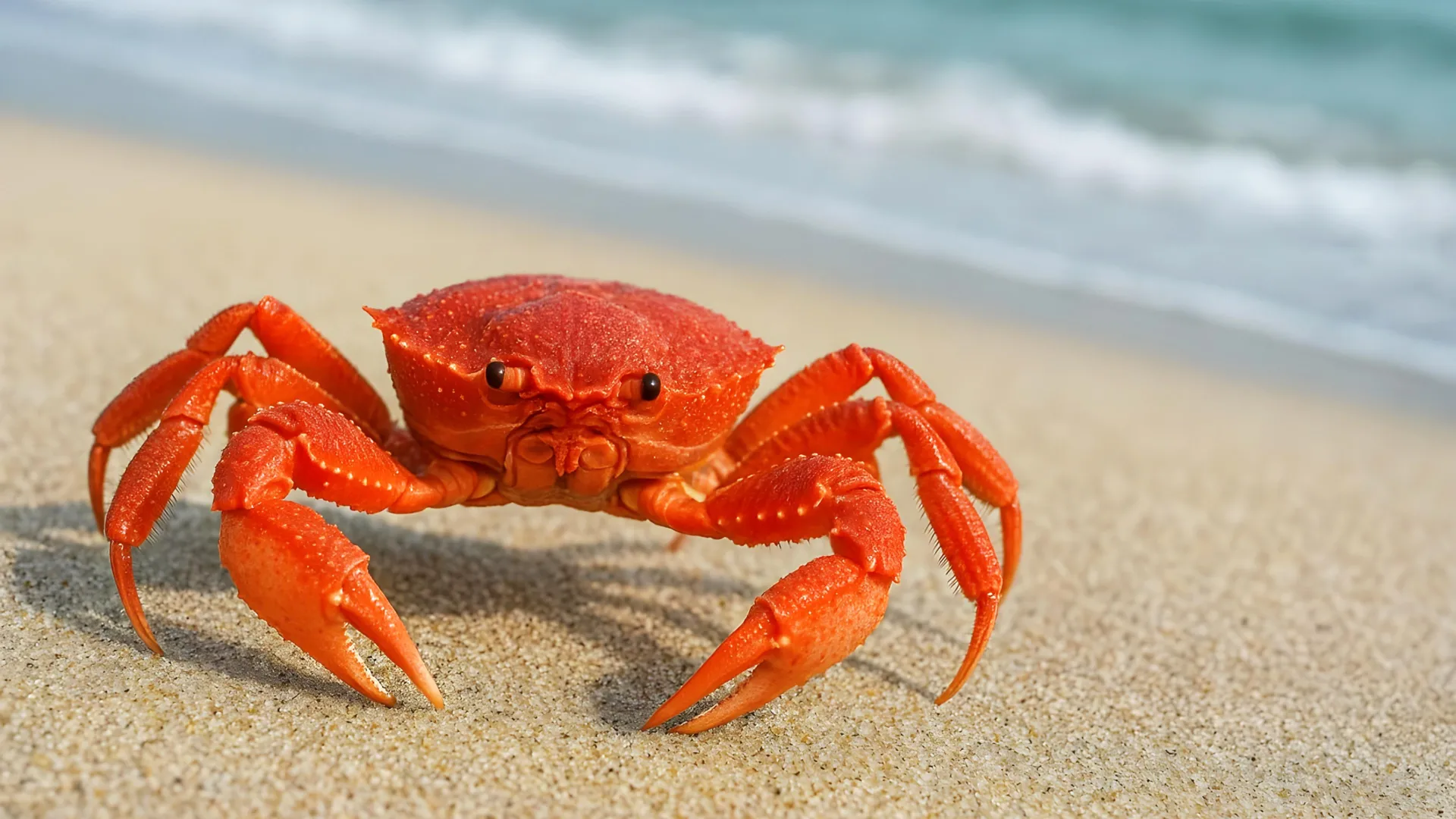
Scientists have delved into the evolutionary history of crabs, uncovering clues about their unique sideways movement. A recent study published in eLife analyzed how 50 species of true crabs move, revealing that their sideways locomotion may date back roughly 200 million years. This fascinating trait likely arose from a common ancestor that walked forward. The research indicates that true crabs, known as Brachyura, exhibit sideways walking primarily due to a single evolutionary shift. Out of the 50 species observed, 35 moved sideways while 15 maintained a forward motion.
This single event stands out in evolutionary biology. Other traits, like carcinization, where various species evolve crab-like forms, occur multiple times. Yet, the sideways gait appears to be a rare innovation, possibly providing significant advantages. For crabs, this mode of locomotion could help them escape predators more effectively. The unpredictability of sideways movement may confuse threats, allowing crabs to navigate their environments with greater agility.
Environmental Influences on Evolution
The study also connects this unique movement to environmental changes that occurred around the time of its evolution. The early Jurassic period, shortly after the Triassic mass extinction, saw transformations that impacted marine habitats. The breakup of Pangaea and the expansion of shallow marine areas likely created new ecological niches. These shifts offered evolution opportunities, making the sideways gait more advantageous for survival.
Understanding why crabs evolved sideways locomotion enhances our awareness of animal behavior. It highlights how both evolutionary innovations and environmental factors shape species’ survival. This analysis expands the broader narrative of how locomotion diversifies in animals, revealing the intricate dance between a species and its environment. By exploring these connections, researchers deepen our understanding of animal movement and evolutionary success.
Continue Your Tech Journey
Stay informed on the revolutionary breakthroughs in Quantum Computing research.
Stay inspired by the vast knowledge available on Wikipedia.
TechV1
