

Fast Facts
- New research shows tyrannosaurs scavenged from carcasses, not just hunted.
- Fossilized bones revealed bite marks from smaller tyrannosaurs feeding behavior.
- Advanced 3D scanning techniques helped analyze distinctive bite marks effectively.
- Study allows detailed insights into dinosaur behavior, enhancing fossil understanding.
Tyrannosaurs: More Than Just Fearsome Predators
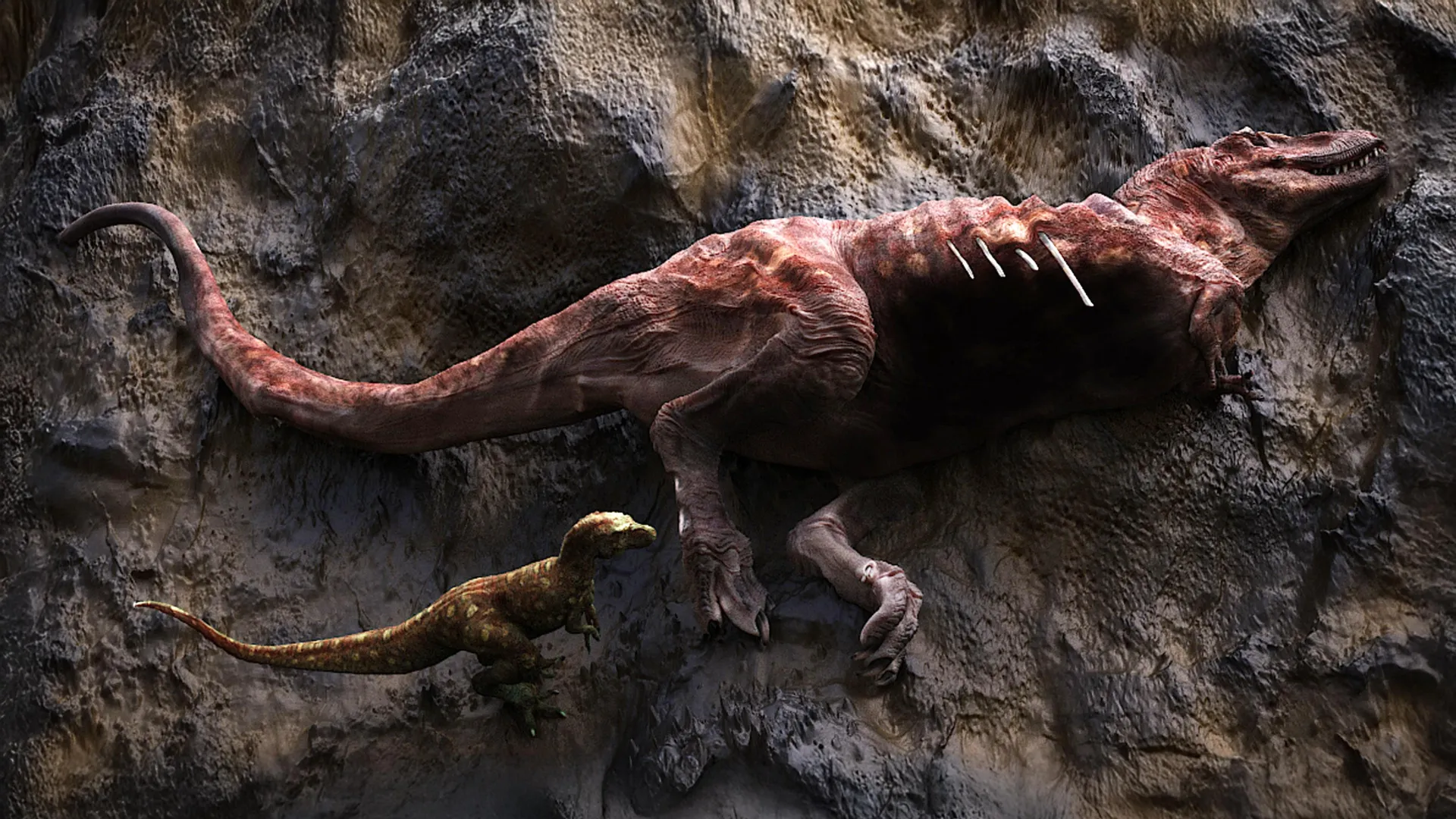
Tyrannosaurs have long held a reputation as ruthless predators. They dominate the popular imagination as fierce hunters, roaming prehistoric landscapes in pursuit of prey. However, recent findings reveal a more complex side to their behavior. New research from Aarhus University shows that tyrannosaurs scavenged, taking advantage of any food sources available to them. This groundbreaking study uncovers how these massive dinosaurs didn’t always wait for a kill. Instead, they took every opportunity to consume remnants of dead animals, even when little flesh remained.
This perspective shift comes from analyzing a fossilized foot bone. Researchers discovered 16 bite marks created by a smaller tyrannosaur feeding on the larger specimen. The precision of these marks indicates that scavenging played a significant role in their feeding habits. Instead of letting resources decay completely, tyrannosaurs cleaned up the remains, demonstrating opportunistic behavior that aligns more closely with the realities of survival than images of relentless hunting.
The Role of Technology in Uncovering Ancient Ecology
Advancements in digital technology have revolutionized paleontological research. Josephine Nielsen, the lead researcher, relied on 3D scanning techniques to analyze the fossil’s bite marks without risking damage to the original specimen. This approach allows for meticulous examination of the tiny details that define tyrannosaur behavior. The study emphasizes how technology can unearth vital information from fossils.
The creation of digital models enables scientists to zoom in on specifics and document findings with precision. By employing a systematic classification system, researchers can categorize bite marks accurately, transitioning the field from speculative observations to data-driven analysis. This not only enhances understanding of ancient ecosystems but fosters a common scientific language, facilitating collaboration among paleontologists.
As researchers continue to apply innovative techniques like 3D scanning, they gain valuable insights into the behaviors of long-extinct creatures. The discovery that tyrannosaurs scavenged as part of their survival strategy challenges existing narratives. It opens the door to a deeper understanding of their role in a complex ecological web. In studying these ancient ecosystems, researchers not only illuminate the past but also enhance our grasp of evolution and behavior in a broader context.
Stay Ahead with the Latest Tech Trends
Stay informed on the revolutionary breakthroughs in Quantum Computing research.
Explore past and present digital transformations on the Internet Archive.
TechV1
