

Essential Insights
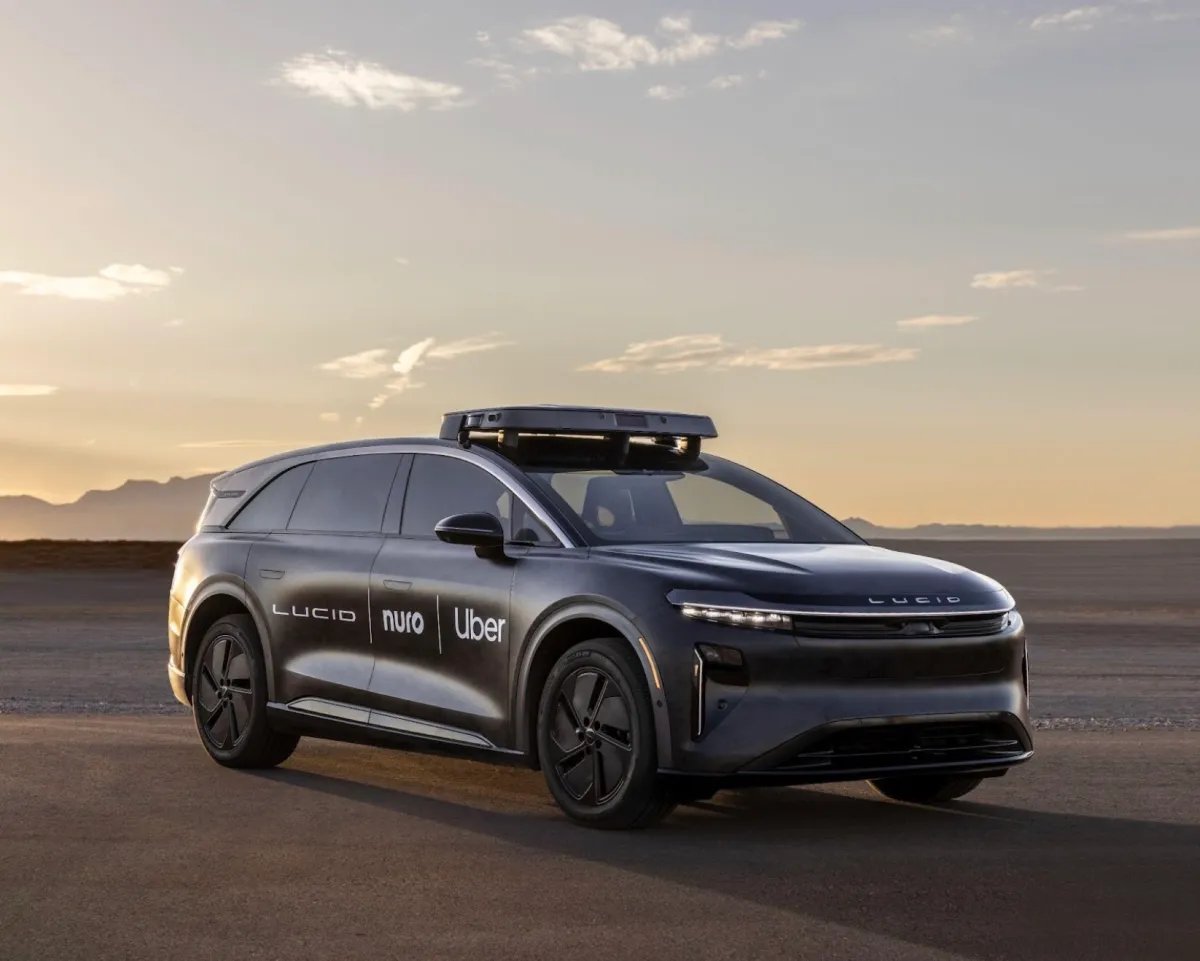
- Nuro receives California permit for driverless testing of Lucid Gravity SUVs.
- Testing will support Uber’s premium robotaxi service, starting later this year.
- Nuro must pass additional regulatory hurdles before full robotaxi deployment.
- Uber’s investment in Lucid expanded to $500 million for 35,000 vehicles.
Regulatory Challenges Ahead
Nuro recently received a permit to test its driverless technology using Lucid Gravity SUVs on California public roads. This is a significant milestone for the startup, especially since it has operated under a different model for several years. Nuro’s focus shifted from low-speed delivery vehicles to licensing its technology to major players like Uber. Despite the enthusiasm surrounding this permit, Nuro is not ready to begin full-scale testing just yet.
The California Department of Motor Vehicles modified Nuro’s existing driverless AV permit to include these new vehicles. This change marks a shift in the trajectory of both Nuro and Uber, allowing them to move toward potential commercial robotaxi services. However, before they can launch Uber’s premium robotaxi service, Nuro must navigate a series of regulatory hurdles, including securing a driverless ride-hailing permit from the California Public Utilities Commission.
For now, testing continues with human safety operators in the driver’s seat. Uber has already begun allowing its employees to request autonomous rides through its app, albeit with a trained operator still monitoring the vehicle. This cautious approach highlights the ongoing challenges in bringing fully autonomous services to market.
The Road Ahead for Autonomous Services
Nuro’s partnership with Lucid adds an interesting layer to the future of urban transportation. Both companies collaborate to refine the technology and expand testing across various cities in the United States. Lucid has committed to delivering a sizable fleet of robotaxi-ready Gravity SUVs, and recent investments from Uber underscore the potential they see in this venture.
The Lucid Gravity robotaxi boasts advanced features, including high-resolution cameras and solid-state lidar sensors, all powered by Nvidia’s sophisticated computing platform. These attributes enhance the vehicle’s ability to navigate complex environments. However, actual commercial operations are still a ways off; reports suggest that full-scale deployment may not occur until late 2026.
Despite positive tones emanating from Lucid executives regarding development progress, the uncertainty of regulatory approvals looms large. The path to fully operational driverless robotaxis is fraught with challenges, as regulatory bodies increasingly scrutinize the safety and reliability of autonomous vehicles. The careful balancing act between innovation and regulation remains a focal point in the evolution of this technology.
As Nuro and Uber push forward, the real test will be the practical functionality of their autonomous services in everyday settings. Consumers will likely remain skeptical until they can safely rely on driverless technology for their transportation needs. Therefore, whether these ambitious projects materialize as envisioned depends on overcoming operational obstacles and building consumer trust.
Stay Ahead with the Latest Tech Trends
Stay informed on the revolutionary breakthroughs in Quantum Computing research.
Access comprehensive resources on technology by visiting Wikipedia.
TechV1
